
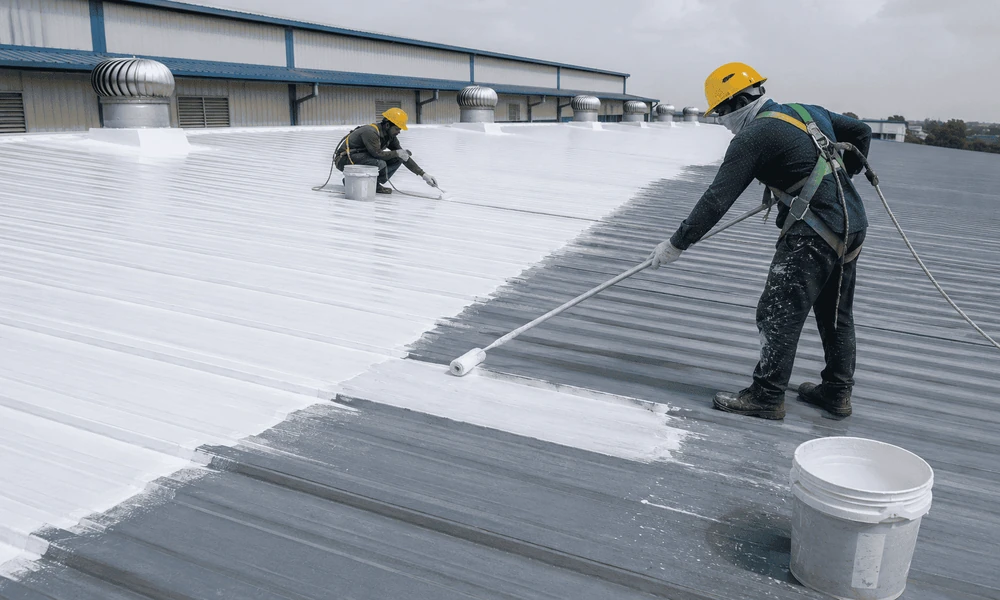
Factories and warehouses fail differently from homes. Their roofs are larger, their floors carry forklifts and racking, and many handle chemicals, heat or constant washdown. A waterproofing system that works on a residential balcony can break down within months in that environment. Choosing industrial waterproofing solutions starts with understanding the loads, traffic and exposure each area faces, then matching a system to those conditions rather than picking a product first.
Why Industrial Buildings Need Different Thinking
Industrial premises put waterproofing under stresses that homes rarely see. Wide-span metal or concrete roofs move with temperature, floors flex under heavy vehicles and equipment vibrates for hours each day. Downtime is expensive too, so repairs have to be planned around production. These conditions mean the cheapest material up front is often the most expensive once disruption, repeat repairs and damaged stock are counted.
Areas That Usually Need Protection
Most industrial sites have several distinct zones, each with its own waterproofing needs:
- Large flat or low-pitch roofs exposed to sun and storms
- Loading bays and ramps with heavy vehicle traffic
- Production floors exposed to water, oils or chemicals
- Basements, pits and sumps below ground level
- Water tanks and cooling equipment areas
Treating them as one job with one product is a common and costly mistake.
Roof Systems for Large Spans
For broad roofs, the choice usually falls between torch-on bituminous membranes, liquid-applied polyurethane or acrylic coatings. Torch-on membranes are tough and widely used on concrete roofs. Liquid coatings such as polyurethane suit complex roofs with many penetrations because they form a seamless layer. Metal roofs often need specialised coatings and careful treatment of fixings and laps, where most leaks begin.
Floors That Carry Traffic and Chemicals
Factory floors need waterproofing that also stands up to wear. Epoxy and polyurethane floor systems can seal the slab while resisting abrasion and many chemicals, though they differ in flexibility and heat tolerance. Areas exposed to hot water or steam cleaning need systems rated for those temperatures. Choosing the right floor coating also improves hygiene and makes cleaning easier, which matters in food and pharmaceutical facilities.
Below-Ground Structures
Basements, pits and sumps face water pressure from the surrounding ground, so surface coatings alone are often not enough. Options include crystalline treatments that react with concrete, high-pressure polyurethane injection for cracks and joints, and membranes applied to the outer face where access allows. Among industrial waterproofing solutions, below-ground work depends most on correct diagnosis, since the source of seepage is not always where water appears.
Planning Work Around Operations
Industrial waterproofing usually has to happen while the business keeps running. A sensible plan covers:
- Phasing the work so only part of the site is affected at once
- Choosing fast-curing materials where downtime is costly
- Scheduling roof work outside the heaviest rain periods
- Protecting stock and equipment below work areas
- Agreeing safe access routes for contractors and staff
Surface Preparation Decides Performance
Most waterproofing failures trace back to poor preparation rather than poor products. Concrete needs to be clean, sound and dry enough for the chosen system. Oil-contaminated floors may need grinding or chemical cleaning. Cracks and joints need treatment before coating. Ask any contractor how they will prepare the surface and how they will test it, since this step is the one most likely to be rushed.
Heat, Expansion and Movement Joints
Large industrial structures expand and contract noticeably between a hot afternoon and a cool night. Movement joints are built in to absorb that movement, and they are among the most common leak points on factory roofs and floors. A rigid coating laid straight across a joint will crack along it within months. Joints need flexible sealants or purpose-made joint systems that move with the building, and they should be detailed separately in any proposal. Asking a contractor how they intend to treat each joint is one of the quickest ways to test their experience with industrial sites.
Maintenance Over the System’s Life
Even the best system needs regular checks. Roofs should be inspected after major storms and at least once or twice a year, with outlets cleared and damaged areas repaired early. Floors need attention where traffic is heaviest. A simple maintenance log with dates, findings and repairs helps extend the system’s life and supports any warranty claim if a failure occurs.
Counting the Cost of Downtime
When comparing proposals, look beyond the price per square metre. A system that cures overnight may cost more in materials but allow a production line to restart a day earlier. Repeated small leaks can damage stock, trip electrical equipment and create slip hazards that carry their own costs. Estimating what a day of disruption or a damaged pallet of goods is worth to the business puts the waterproofing budget into context and often justifies a more durable specification than the cheapest option on the table.
Comparing Contractors for Industrial Work
Industrial jobs reward experience. Ask each contractor for examples of similar sites, the systems they recommend for each zone and why, and the warranty terms in writing. Check their safety arrangements for work at height and in active premises. A clear method statement is a good sign of a contractor who has done this kind of work before and understands the risks.
Making the Right Investment
Start with a site survey that identifies each zone and its exposure, then compare proposals that match systems to those zones. A provider offering commercial and factory waterproofing with zone-by-zone recommendations, a phased plan and a written warranty usually delivers better long-term value than a single-product quote for the whole building.

Comments are closed.