

Category

Health

Category

A skin cancer diagnosis can raise many questions. Patients may want to know what type they have, whether it has spread, how it can be removed, what recovery will involve, and whether additional procedures or ongoing monitoring will be necessary. There is no single approach that is appropriate for every diagnosis.

Choosing a skin cancer treatment depends on factors such as the specific cancer type, its size, depth, location, growth pattern, whether it has spread, previous therapies, and the patient’s overall health. A small superficial lesion may be managed very differently from a tumor that extends deeply into surrounding tissue or has reached other parts of the body. This is why accurate diagnosis and individualized medical evaluation are essential before deciding how to proceed.

Understanding the Major Types of Skin Cancer

The term “skin cancer” includes several diseases rather than one condition.

Three of the most widely recognized forms are basal cell carcinoma, squamous cell carcinoma, and melanoma. Less common forms of skin cancer also occur and may require specialized management.

Basal Cell Carcinoma

Basal cell carcinoma is the most common type of skin cancer. It often develops on areas that receive substantial sun exposure, such as the face, scalp, neck, and arms.

These cancers generally grow slowly and rarely spread to distant areas, but untreated tumors can become locally destructive and affect surrounding tissue.

Squamous Cell Carcinoma

Squamous cell carcinoma also commonly develops on sun-exposed skin.

Some cases remain relatively localized, while others can behave more aggressively and spread beyond the original site. Characteristics of the tumor and patient help clinicians determine its risk level.

Melanoma

Melanoma is less common than basal or squamous cell carcinoma but has a greater potential to spread to other areas of the body.

Early recognition is particularly important. Treatment decisions depend heavily on characteristics such as tumor thickness, ulceration, lymph-node involvement, and whether disease has spread elsewhere.

Why Accurate Diagnosis Comes First

Before a treatment plan can be developed, the suspicious area generally needs to be evaluated.

A dermatologist may examine the lesion and consider its size, shape, color, location, surface characteristics, and history of change.

If cancer is suspected, a biopsy may be performed.

A biopsy removes part or all of the concerning tissue so it can be examined under a microscope. The pathology findings can identify the cancer type and provide other information that influences management.

This step matters because different skin conditions can resemble one another. A suspicious spot should not be diagnosed solely by appearance or by comparing it with photographs online.

The Importance of Staging

Staging describes the extent of cancer.

Depending on the diagnosis, clinicians may consider the tumor’s size and depth, involvement of nearby structures, lymph nodes, and evidence of spread to distant organs.

Not every skin cancer requires extensive staging tests.

For certain early, low-risk cancers, the information obtained through examination and biopsy may be sufficient to plan care. Higher-risk tumors may require additional evaluation.

Melanoma staging is particularly important because the stage influences both management and prognosis.

Surgical Excision

Surgical excision is a common approach for many skin cancers.

During the procedure, the visible tumor is removed along with a margin of surrounding tissue. The removed specimen is then examined to determine whether cancer cells extend to the edges.

If the margins are clear, this indicates that no cancer was detected at the examined edges of the specimen. If cancer remains at a margin, additional treatment may be recommended.

The amount of tissue removed depends on the cancer type, tumor characteristics, and location.

Excision can be appropriate for many tumors, but the decision depends on individual circumstances.

Understanding Mohs Surgery

Mohs micrographic surgery is a specialized surgical technique commonly used for certain skin cancers.

During Mohs surgery, the visible tumor is removed along with a thin layer of surrounding tissue. That tissue is carefully mapped and examined microscopically while the patient waits.

If cancer cells remain in a particular area, another thin layer can be removed specifically from that location.

This process continues until the examined margins are free of cancer.

Because the technique allows precise examination while conserving unaffected tissue, it may be particularly useful in locations where preserving healthy skin is important, such as parts of the face.

It may also be considered for certain recurrent, high-risk, or poorly defined tumors.

Curettage and Electrosurgery

Some superficial or lower-risk skin cancers may be treated using curettage and electrosurgery.

The physician removes abnormal tissue using a curette, a specialized scraping instrument, and then uses electrical energy to treat the area.

The process may be repeated during the procedure.

This technique is not appropriate for every cancer or location. Tumor characteristics, recurrence risk, and cosmetic considerations all influence whether it may be considered.

Cryosurgery

Cryosurgery uses extreme cold to destroy abnormal tissue.

Liquid nitrogen is commonly used for freezing certain skin lesions.

Cryotherapy is widely used for precancerous growths such as actinic keratoses and may be considered in selected situations involving superficial cancers.

Because treatment selection depends heavily on diagnosis and risk level, patients should not assume that a lesion suitable for freezing is necessarily harmless.

Professional evaluation should come first.

Topical Medications

Certain superficial skin cancers may sometimes be managed with prescription topical medications.

These treatments are applied directly to the affected area according to a specific schedule.

Depending on the medication, treatment may work by stimulating an immune response or interfering with abnormal cell growth.

Redness, crusting, irritation, and inflammation can occur during treatment.

Topical therapy is generally reserved for carefully selected situations. It is not appropriate for all tumor types or for cancers that extend more deeply into the skin.

Patients should follow their clinician’s instructions closely rather than adjusting application frequency based on visible skin reactions alone.

Radiation Therapy

Radiation therapy uses targeted high-energy radiation to damage cancer cells.

It may be considered when surgery is not appropriate or when the tumor’s location, size, patient health, or other circumstances make radiation a reasonable option.

Radiation may also be used after surgery in selected higher-risk cases or for more advanced disease.

Treatment often involves multiple sessions over a defined period.

The potential benefits and side effects depend on the area treated, total dose, schedule, and individual circumstances.

Photodynamic Therapy

Photodynamic therapy combines a photosensitizing medication with a specific light source.

The medication is applied to or delivered to the treatment area and becomes activated by light, producing a reaction that damages targeted abnormal cells.

This technique is commonly associated with the management of certain precancerous lesions and may have a role in selected superficial cancers.

As with other nonsurgical approaches, proper diagnosis is essential because not every lesion is an appropriate candidate.

Treatment for Advanced Melanoma

Management becomes more complex when melanoma has spread beyond the original skin site.

Modern treatment may include systemic therapies designed to affect cancer throughout the body.

Immunotherapy

Immunotherapy helps the immune system recognize or attack cancer cells more effectively.

Several immune checkpoint inhibitors have changed the management of advanced melanoma and may also be used in certain high-risk situations after surgery.

Targeted Therapy

Some melanomas contain particular genetic changes that allow targeted medications to interfere with specific pathways cancer cells use to grow.

Testing the tumor can help determine whether targeted therapy is relevant.

These medications are not appropriate for every melanoma because their usefulness depends on the molecular characteristics of the cancer.

Treatment for Advanced Squamous Cell Carcinoma

Most cutaneous squamous cell carcinomas can be managed locally, but some become advanced or spread.

For certain advanced cases that cannot be adequately addressed with surgery or radiation, systemic therapy may be considered.

Immune-based medications have become important options for some patients with advanced cutaneous squamous cell carcinoma.

Care for advanced disease may involve dermatologists, surgeons, medical oncologists, radiation oncologists, and other specialists.

Why Tumor Location Matters

Where a cancer develops can influence treatment decisions significantly.

Removing a lesion from the back or arm may present different considerations from treating a tumor near the eye, nose, ear, lip, or another anatomically sensitive area.

In locations where preserving healthy tissue and function is particularly important, treatment planning may require additional precision.

Cosmetic outcomes also matter, but complete cancer management remains the primary objective.

Depending on the size and location of the surgical defect, reconstruction may involve stitches, a skin flap, a graft, or another repair technique.

What Recovery May Involve

Recovery varies considerably according to the procedure.

After surgery, patients may receive instructions about wound cleaning, dressings, activity restrictions, and signs of possible complications.

Temporary tenderness, swelling, bruising, or redness may occur.

Larger procedures or reconstruction can require more extensive aftercare.

Patients should follow the instructions provided by their medical team rather than relying on generalized recovery timelines.

Contacting the provider is appropriate if concerning symptoms develop or healing does not progress as expected.

Understanding Surgical Scars

Any procedure that cuts through the skin can leave a scar.

Its eventual appearance depends on factors such as the wound’s size and depth, location, repair method, genetics, healing response, and aftercare.

Scars also change over time.

A surgical site that initially looks red or prominent may gradually become less noticeable as healing progresses.

Patients who are concerned about appearance should discuss reconstruction and scar expectations before treatment when possible.

Follow-Up Care Is Important

Removing one skin cancer does not eliminate the possibility of developing another.

People with a history of skin cancer may have an increased risk of future lesions, making ongoing professional examinations and self-awareness important.

The recommended follow-up schedule depends on factors such as cancer type, stage, treatment history, and individual risk.

Patients should also become familiar with their skin and report concerning changes between scheduled appointments.

Recognizing Changes That Deserve Evaluation

A professional examination is appropriate when a lesion appears suspicious or changes unexpectedly.

Potential warning signs can include:

  • A sore that does not heal
  • A spot that repeatedly bleeds or crusts
  • A new or changing growth
  • A mole changing in size, shape, or color
  • A lesion that looks noticeably different from surrounding moles
  • A persistent rough or scaly patch

These features do not automatically indicate cancer, but they can justify medical evaluation.

The ABCDE Guide for Melanoma Awareness

The ABCDE framework can help people recognize characteristics associated with potentially concerning pigmented lesions.

A – Asymmetry: One side differs from the other.

B – Border: Edges may appear irregular, uneven, or poorly defined.

C – Color: Multiple or changing colors may be present.

D – Diameter: Size can be relevant, although melanoma can also be small.

E – Evolving: The lesion changes in appearance or behavior.

This framework is an awareness tool, not a diagnostic method. A dermatologist should evaluate lesions that raise concern.

Prevention Remains an Important Part of Skin Health

Ultraviolet exposure is an important risk factor for several common skin cancers.

Reducing unnecessary UV exposure can therefore be part of long-term prevention.

Helpful habits may include using broad-spectrum sunscreen, seeking shade, wearing protective clothing and hats, and avoiding intentional tanning.

For people living in sunny climates such as Arizona, sun protection should be viewed as an everyday habit rather than something reserved for vacations or summer months.

No prevention strategy eliminates all risk, so monitoring the skin remains important.

Questions to Discuss With a Dermatologist

Patients often understand their options more clearly when they arrive prepared with questions.

Useful topics include:

  • What type of cancer was identified?
  • How deep or extensive is it?
  • Has it been assigned a stage or risk category?
  • What treatment options are appropriate?
  • Why is one approach recommended over another?
  • What are the possible side effects?
  • Will reconstruction be necessary?
  • What should I expect during recovery?
  • Is additional testing required?
  • How often should I return for skin examinations?
  • What changes should I watch for at home?

The answers will depend on the individual’s diagnosis rather than a universal treatment pathway.

Making an Individualized Treatment Decision

Skin cancers range from small superficial lesions to aggressive tumors that require multidisciplinary medical care. This wide variation is why treatment recommendations should be based on pathology findings, tumor characteristics, patient health, location, and risk rather than on a single standard procedure.

Surgery remains important for many skin cancers, while Mohs surgery can provide precise margin evaluation in selected cases. Topical therapies, radiation, cryotherapy, photodynamic approaches, immunotherapy, and targeted medications may have roles in particular circumstances.

The appropriate choice depends on what has actually been diagnosed.

Diagnosis Guides the Path Forward

Modern medicine offers multiple ways to manage skin cancer, but successful decision-making begins with accurate evaluation.

Understanding the specific cancer type, its location, depth, risk characteristics, and extent allows healthcare professionals to recommend an approach suited to the individual patient.

Early attention to suspicious changes can also be important. Rather than waiting for a lesion to become painful or significantly enlarged, patients should consider professional evaluation when they notice persistent or evolving abnormalities.

After care is completed, follow-up remains part of the long-term picture. Regular professional examinations, awareness of changes at home, and consistent sun protection can help patients stay attentive to future concerns.

Most importantly, patients do not need to determine the appropriate procedure by themselves. A qualified medical professional can interpret biopsy findings, explain available options, discuss benefits and limitations, and develop a personalized plan based on the diagnosis and the patient’s broader health needs.
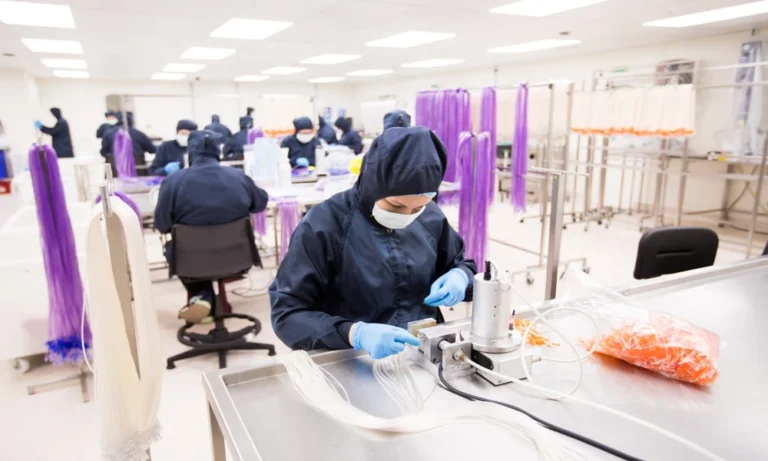
 

Medical device cleanroom assembly is the controlled-environment process step that separates components that are just manufactured from devices that are ready for clinical use. The cleanroom is not a formality or a regulatory checkbox. It is the physical environment where the contamination risks inherent in assembly, including particulate from handling, bioburden from surfaces and personnel, and cross-contamination between components, are controlled to levels appropriate for the device’s intended clinical application.

What Makes Cleanroom Assembly Different

Assembly done in a standard factory environment introduces contamination risks that are acceptable for many industrial products but not for medical devices intended to contact sterile body sites, be implanted, or interface with patient tissue. The human body is a poor environment for foreign particles, and the immune response to contamination in a surgical site or implant is clinically significant.

Medical device cleanroom assembly controls contamination through:

Particulate control: HEPA-filtered air at positive pressure relative to adjacent areas suppresses particle counts. Classification of the cleanroom to ISO 14644-1 standards defines the maximum allowable particle concentration at each size range.

Personnel control: garments, gloves, and behaviour protocols reduce the human contribution to cleanroom contamination. Personnel are the primary source of particles in most cleanrooms; gowning and training address this directly.

Surface and equipment cleanliness: work surfaces, tooling, and equipment are cleaned and monitored as part of the environmental monitoring programme.

ISO Cleanroom Classifications for Medical Devices

Medical device assembly cleanrooms are classified under ISO 14644-1. The ISO class defines the maximum number of particles per cubic metre at the relevant size thresholds. ISO Class 7 and ISO Class 8 are the most common environments for medical device assembly. ISO Class 5 is used for the most critical assembly steps, including filling of sterile liquid products and assembly of components that will contact sterile body sites directly.

The choice of classification is driven by the sterility risk category of the device and the assembly step. A device that will be terminally sterilised after assembly can tolerate a higher bioburden input than one that must be aseptically assembled, though both require environmental control.

“Singapore’s medical technology sector is built on the trust of patients and regulators around the world,” said former Health Sciences Authority chief executive John Lim. Clean medical device assembly is the manufacturing expression of that trust.

Cleanroom vs White Room

A white room is a manufacturing area that is cleaner than a standard factory environment but has not been validated or monitored to a defined ISO class. White rooms are used for some medical device assembly steps where contamination control is important but the regulatory requirement for a validated cleanroom does not apply.

Understanding whether the assembly steps for a specific device require a validated cleanroom or a white room is a regulatory and risk-based decision made during device design and manufacturing process development.

Documentation and Traceability

Cleanroom assembly for medical devices is a documented process. Each assembly lot is traceable through its production record to the components used, the operators who performed the work, the environmental monitoring data for the period, and the inspection results at each stage.

This documentation forms part of the Device History Record required under ISO 13485 and FDA Quality System Regulation. The ability to trace a device back to its assembly process is a fundamental requirement of medical device quality systems.

AMT Medical Device Cleanroom Assembly

AMT operates cleanroom assembly facilities for medical device cleanroom assembly projects at the classifications appropriate for the devices and assembly steps involved. Their quality systems support the documentation and traceability requirements of ISO 13485 manufacturing, providing customers with the assurance needed for regulated medical device supply.

Demystifying Allergy Testing: What You Need to Know

The Science Behind Allergy Testing: How Does It Work?

Allergy testing is a crucial diagnostic tool utilized by healthcare professionals to identify specific allergens responsible for an individual’s allergic reactions. The underlying principle of these tests revolves around the immune system’s response to various substances. When an allergen enters the body, the immune system mistakenly identifies it as a harmful threat and produces antibodies known as Immunoglobulin E (IgE). This process triggers a release of chemicals, including histamine, which leads to the common symptoms of allergies.

There are primarily two types of immune responses tested during allergy testing: immediate hypersensitivity reactions, which occur shortly after exposure to an allergen, and delayed reactions, which may take longer to manifest. Both responses are pivotal in determining the appropriate course of treatment for patients experiencing allergy symptoms. Understanding these biochemical responses helps allergists develop personalized management plans to mitigate patients’ symptoms and enhance their quality of life.

Types of Allergies: From Pollen to Pets

Allergies can stem from a wide array of sources, and understanding the various types can be essential for effectively managing them. Common allergens include seasonal triggers like pollen from trees, grasses, and weeds—often linked to allergic rhinitis or hay fever. Individuals with sensitivities may experience increased symptoms in spring when trees bloom or summer when grasses are in full growth.

Another prevalent category comprises food allergies, which can vary from mild to life-threatening responses. Common food allergens include peanuts, tree nuts, shellfish, milk, and eggs, among others. In recent years, food allergies have seen a notable increase, prompting researchers to investigate the reasons behind this trend. Additionally, allergens may originate from pets, particularly from dander, urine, or saliva from furry companions, making it difficult for individuals who love animals but have sensitivities.

Finally, environmental factors such as dust mites, mold, and certain insect stings can also trigger allergies. These allergens are often overlooked but can significantly impact the health of sensitive individuals. Identifying specific allergens is essential for developing effective avoidance strategies and treatment plans.

Common Symptoms That Signal the Need for Testing

The symptoms of allergies can often be mistaken for other respiratory conditions, which can lead to a delay in diagnosis and treatment. Common signs include nasal congestion, sneezing, itchy and watery eyes, as well as skin reactions such as hives or eczema. In more severe cases, individuals may experience difficulty breathing, wheezing, or anaphylaxis, a life-threatening reaction requiring immediate medical attention.

Notably, persistent symptoms that do not seem to improve with over-the-counter medications or that coincide with specific environmental exposures warrant allergy testing. For instance, if a patient notices increased symptoms during the pollen season or after interacting with pets, it is crucial to seek professional guidance. A comprehensive evaluation by an allergy specialist can help pinpoint the cause of these symptoms and facilitate a targeted approach towards allergy management.

Your Guide to Allergy Testing Methods in Lincoln, NE

Skin Testing: What to Expect and How It’s Done

Skin testing is one of the most common methods utilized in allergy diagnosis, offering rapid results and a fairly straightforward process. During this test, small quantities of potential allergens are introduced to the skin’s surface, either by prick, intradermal injection, or patch testing. For prick tests, a tiny drop of allergen solution is placed on the forearm or back, and a small device is used to penetrate the skin’s surface. Results typically manifest within 15 to 20 minutes, providing immediate feedback regarding potential allergic sensitivities. Individuals seeking allergy testing in Lincoln, NE can benefit from this method’s efficiency and reliability.

Patients should be aware that skin testing is generally safe; however, it can induce some discomfort resembling a mosquito bite or lead to mild swelling or redness. Preparation is essential—patients may be instructed to discontinue antihistamines prior to the test to ensure more accurate results. Moreover, while positive skin tests indicate sensitization, they do not always correlate with clinical allergy; thus, a detailed discussion with the allergist is critical post-testing to interpret the implications accurately.

Blood Tests: Why They Matter and How Accurate Are They?

Blood tests provide an alternative method for allergy testing, particularly for individuals who cannot undergo skin tests, such as those with severe eczema or skin conditions or those taking certain medications. The most common blood test is the radioallergosorbent test (RAST) or the more modern ImmunoCAP test, both of which measure the concentration of IgE antibodies specific to particular allergens in the blood. Higher levels of these antibodies often indicate an allergy.

While blood tests can take longer to return results—typically a few days—one of their significant advantages is that they are highly specific and less likely to induce allergic reactions. However, the interpretation of the results can be complex, as elevated IgE levels can occur even without manifesting clinical allergy symptoms. This complexity underscores the importance of comprehensive evaluation by a qualified allergist, who can correlate test results with clinical history and symptoms.

Advanced Testing Techniques: Is There Something New on the Horizon?

As the field of allergy diagnostics evolves, advanced testing techniques continue to emerge. One notable advancement is the use of cellular tests, such as the basophil activation test (BAT) and the leukocyte histamine release test, which assess how immune cells react to specific allergens. These innovative approaches can provide insight into the biological response to allergens and may prove beneficial for individuals with inconclusive results from traditional tests.

Additionally, component-resolved diagnostics (CRD) are gaining popularity, particularly for food allergies. CRD identifies specific proteins within an allergen, allowing for better differentiation between true allergies and cross-reactive sensitivities. For instance, a patient with a peanut allergy might react to proteins in tree nuts due to structural similarities, but a CRD can provide detailed insights into which specific proteins are involved.

As research progresses and technology advances, future allergy testing may incorporate genomic and metabolic profiling, paving the way for personalized medicine approaches in allergy management. These state-of-the-art methodologies can lead to improved accuracy in diagnosing allergies and crafting individualized treatment plans tailored to each patient’s unique biological makeup.

Choosing the Right Allergy Specialist: Tips for Lincoln Residents

What Qualifications Should You Look For?

Choosing the right allergy specialist is crucial for accurate diagnosis and effective management of allergic conditions. Prospective patients should seek board-certified allergists, who have completed specialized training beyond standard medical school to focus on immunology and allergy treatment. Look for credentials such as Fellow of the American Academy of Allergy, Asthma & Immunology (AAAAI) or Board Certified in Allergy and Immunology, which signify expertise and commitment to continual education in the field.

Additionally, consider the allergist’s experience and areas of specialization. Some allergists may focus on specific allergic conditions like asthma or food allergies, while others might concentrate on environmental allergies. Finding a specialist who understands the patient’s unique needs can enhance treatment effectiveness. Lastly, consulting patient reviews and gathering referrals from trusted sources can provide valuable insights into the allergists’ approach and patient care quality.

How to Prepare for Your First Consultation

Additionally, it can be helpful to prepare a list of questions addressing concerns about symptoms, potential triggers, testing methods, and management strategies. This proactive approach enables patients to maximize their limited consultation time and ensures a more comprehensive understanding of their condition.

Questions to Ask: Making the Most of Your Appointment

Moreover, asking about the management strategies recommended post-testing, including lifestyle modifications, medications, and potential allergen avoidance, is vital. Patients should ensure they understand the importance of follow-up appointments and how often they may need reevaluation. Engaging in an open dialogue with the allergist fosters a collaborative relationship and offers encouragement for the patient on their journey toward better management of their allergies.

After Testing: Navigating Your Allergy Management Journey

Understanding Your Results: What Do They Really Mean?

Once allergy testing is complete, interpreting the results accurately is a critical step. Positive test results indicate sensitization to specific allergens, but sensitization does not always equate to clinical allergy. In other words, a patient may have a measurable immune response to an allergen without experiencing noticeable symptoms. Conversely, some individuals may react strongly to an allergen even if test results are borderline or inconclusive.

Allergy specialists in Lincoln, NE, will review the results alongside your medical history, symptom patterns, and environmental exposures to create a comprehensive picture. This evaluation ensures that management strategies are tailored to your specific needs rather than relying solely on test numbers. Understanding your results empowers you to make informed decisions about avoidance strategies, treatments, and lifestyle adjustments.

Allergy Management Strategies: Practical Tips for Everyday Life

Additionally, implementation of a daily regimen of antihistamines or other prescribed medications can significantly alleviate symptoms for many individuals. However, establishing whether medication or lifestyle changes are more effective for symptom management is essential, which may require ongoing communication with the allergist. Patients should also remain vigilant and carry emergency medications, such as epinephrine auto-injectors, if they have been diagnosed with severe allergies.

Lastly, keeping a symptom diary can be beneficial, helping patients identify patterns and making it easier to communicate changes in management with healthcare providers. Overall, simply adhering to a structured management plan can enhance the quality of life for individuals with allergies.

Support and Resources: Connecting with Local Communities and Groups

Managing allergies can feel overwhelming, but you don’t have to navigate it alone. Lincoln, NE, offers a variety of resources and community support networks for individuals living with allergies. Local hospitals and clinics often host educational workshops and seminars on allergy management, providing an opportunity to learn more about triggers, treatments, and preventative measures.

Online support groups and national organizations, such as the Asthma and Allergy Foundation of America (AAFA), offer forums where patients can share experiences, exchange advice, and stay informed about the latest research and treatments. Additionally, local community centers may organize meetups for individuals or families dealing with similar allergic conditions, fostering a sense of connection and shared learning.

Connecting with others facing similar challenges can provide not only emotional support but also practical tips for everyday living, such as allergen-free recipes, safe travel practices, or strategies for managing seasonal allergies. These networks can be invaluable in helping patients feel empowered and proactive in controlling their health.