
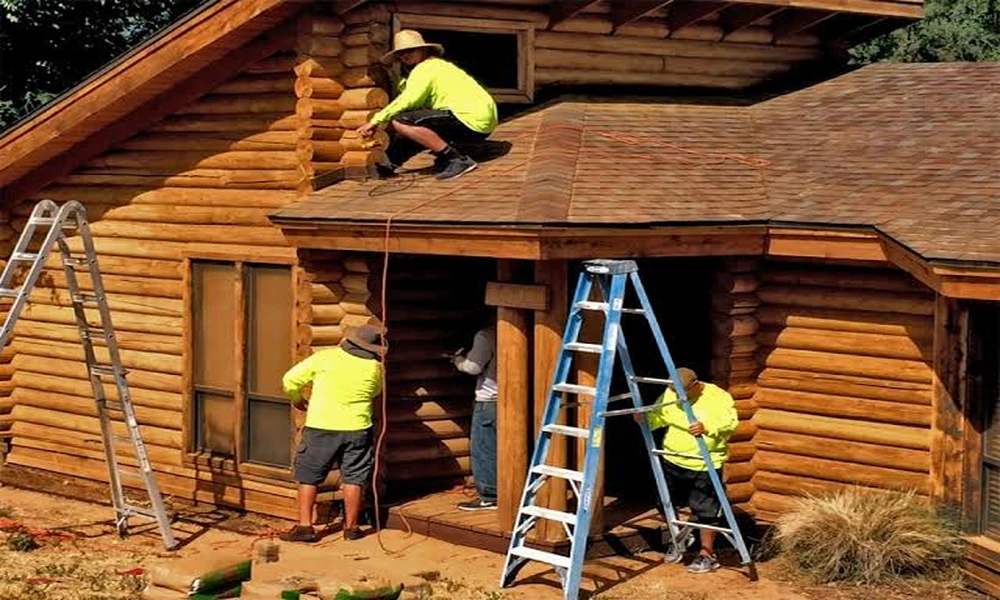
Key Takeaways
Log cabins need specific care that’s tailored to the wood type and environmental conditions. Regular monitoring of moisture content should keep levels below 20% to ensure optimal health.
Implementing seasonal maintenance routines-spring inspections, summer treatments, autumn preparations, and winter checks-can greatly enhance the longevity and aesthetic appeal of these structures.
Spotting common pests like termites, carpenter ants, and wood-boring beetles early is crucial. Proactive inspections help prevent extensive damage to log cabins.
Effective pest control strategies range from installing physical barriers and using bait stations around the cabin’s perimeter to applying safe chemical treatments as a last resort.
Choosing the right weatherproof treatments, such as natural oils and stains, based on climate exposure is vital for protecting log cabins from the elements.
Regular inspections, along with sealing any gaps using high-quality caulk, help curb moisture intrusion and prevent costly rot repairs, underscoring the necessity of proactive maintenance.
Recognizing early signs of damage, including discoloration, soft spots, or mold, allows for timely interventions that can avert more extensive repairs later on.
The Crucial First Steps in Log Cabin Care
Understanding Your Cabin’s Unique Wood Needs
There’s an undeniable charm to log cabins. But, this charm requires specific care for the wood. Different wood types respond uniquely to environmental factors, making it essential for owners to understand the primary species used in their cabin’s construction. Common choices like pine, cedar, and fir each have distinct characteristics regarding durability, moisture absorption, and vulnerability to pests.
Climate also plays a significant role. In humid areas, wood can absorb moisture rapidly, risking rot. Meanwhile, in dryer climates, logs may develop checks and splits. Connecting the wood type with its environment is crucial. So, how can cabin owners improve their wood’s longevity? Monitoring moisture content regularly is vital. Specialists suggest that keeping moisture levels below 20% is best for optimal health.
Essential Seasonal Maintenance Routines
Establishing a log cabin maintenance routine may seem overwhelming. Yet, it doesn’t have to be complicated. Dividing maintenance into seasonal tasks often yields better outcomes. In the coming months, professionals advise the following:
- Spring: Inspect for winter damage, especially focusing on logs close to the foundation.
- Summer: Apply protective wood treatments and clear gutters to avoid water buildup.
- Autumn: Prepare for winter by sealing cracks and ensuring proper wall insulation.
- Winter: Regularly monitor for ice dam formation and heavy snow accumulation.
Embracing this routine not only safeguards the investment but can significantly improve the cabin’s aesthetic appeal. Reframing maintenance as a way to cherish the living space makes it feel less like a chore.
Pest Prevention: Safeguarding Your Cabin’s Integrity
Identifying Common Pests in Log Structures
Pests are often unseen adversaries of log cabins. Recognizing them early is essential. Termites, carpenter ants, and wood-boring beetles can strike suddenly. Each poses potential threats that could compromise the cabin’s integrity.
Waiting for signs of damage isn’t advisable. Being able to identify early indications can lead to action before situations worsen. Termites leave wood shavings and powdery residue, while carpenter ants create noticeable exit holes. Taking a proactive stance is necessary.
For cabin owners, regular inspections, ideally twice a year, can make a world of difference.
Effective Strategies for Pest Control
Once pests are identified, the next step requires precise action. Pest control can be carried out in various ways-there’s no one-size-fits-all method. Installing physical barriers, like metal flashing at the base of logs, can help keep pests from entering.
Experts frequently recommend setting up bait stations around the cabin’s perimeter. Such measures can entice pests away before they infiltrate the structure. While chemical treatments tend to be effective, their use should be a last resort, applied strictly according to safety guidelines to avoid environmental harm.
- Regular inspections: Keeping tabs on the logs helps catch issues early.
- Proper ventilation: Ensuring logs are well-ventilated reduces moisture buildup, creating an environment that’s less hospitable to pests.
- Barrier treatments: Applying safe, non-toxic preservatives can effectively guard against wood-eating insects.
A well-guarded cabin is a home that remains intact.
Weatherproofing Techniques for Lasting Durability
Choosing the Right Treatments for Your Logs
Weather has a profound impact on a log cabin’s health. Rain, snow, and intense sun can damage logs over time. Thus, selecting suitable protective treatments is paramount. Natural oils, water repellents, and stains can all play a valuable role, though their effectiveness varies depending on climate and exposure.
The type of finish also matters. For high-exposure areas, spar varnish offers exceptional weather resistance. A quality stain can elevate aesthetic appeal while providing a protective layer. Here’s a tip: choosing the right treatment can enhance the wood’s natural grain, adding to the cabin’s charm.
How to Inspect and Seal Gaps Professionally
Sealing gaps is often underestimated, yet it’s crucial for overall log cabin maintenance. Unattended gaps between logs may allow moisture to seep in, leading to rot. Knowing how to inspect these spaces can prevent costly repairs in the future. Professionals recommend using a caulking gun with high-quality log home caulk crafted for this purpose.
Examine all joints and seams closely. The objective is to keep them tight and free of fissures. Additionally, check weep holes at the log bottoms to facilitate moisture drainage. If any gaps are spotted, they should be filled promptly. This straightforward action can result in substantial savings over time.
- Conduct visual inspections twice a year.
- Immediately fill small cracks using suitable caulk.
- Consult a professional for larger gaps or severe damage.
In the end, being proactive about these details can yield significant benefits.
Spotting and Addressing Damage Early
Signs Your Log Cabin Needs Immediate Attention
A keen eye can reveal considerable insights. While spotting years’ worth of wear and tear may seem daunting, familiarizing oneself with common damage indicators can help. Discoloration or soft spots in the wood may signal moisture-related issues. Furthermore, if doors and windows begin sticking or warping, that’s another important clue.
Be vigilant for signs of mold or mildew growth-these indications of excess moisture often require immediate action. Regularly checking logs, joints, and seals can help maintain a smoothly functioning cabin. After all, what’s worse than discovering a problem when it’s too late? Early intervention truly matters.
Expert Repair Techniques for Common Issues
Once issues are spotted, turning to expert methods for effective repairs is essential. For rotting logs, this often involves partial replacements or specialized epoxy treatments. In cases of surface damage, simple sanding and staining might suffice. Depending on the severity of the situation, it may be wise to consult experienced professionals who can manage more substantial repairs.
However, cabin owners frequently find that repairing damage isn’t enough; having a solid maintenance plan afterwards is crucial to avoid similar issues in the future.
- Protect exposed areas using weatherproofing agents.
- Replace critically damaged logs with treated wood.
- Consider professional assessments when unsure.
Consistent maintenance and prompt attention to damage can distinguish between costly repairs and preserving a cabin for decades.
FAQ
What specific tools are recommended for log cabin maintenance?
Essential tools for log cabin upkeep include a moisture meter for tracking wood moisture content, a caulking gun for sealing gaps, brushes for applying treatments, and sturdy ladders for inspections. Having these tools on hand can significantly ease maintenance tasks.
How can seasonal maintenance routines be adjusted for different climates?
Climate impacts cabin care extensively. For instance, in colder regions, winter preparations might require more thorough insulation checks and snow removal strategies. Conversely, warmer climates might focus on moisture control to address humidity-related problems.
Is professional inspection necessary, or can cabin owners handle inspections themselves?
While owners can perform basic inspections, having a professional evaluate the structure every six months can uncover hidden problems early. Professionals can identify concerns that may not be noticeable to untrained eyes and provide tailored recommendations.
How often should weatherproofing treatments be reapplied?
The frequency of treatments can vary based on the type of product used and local environmental conditions. Generally, a high-quality stain or sealant should be reapplied every three to five years, while natural oils might require more frequent applications, depending on exposure.
What are the best pest control methods for log cabins in remote areas?
For log cabins situated in remote locations, physical barriers and bait stations remain effective solutions. Additionally, natural deterrents, such as essential oils, can help repel pests without introducing harmful chemicals. Regular monitoring for signs of infestations is always advisable.
Are there any signs that indicate it’s time to replace entire logs?
Indicators suggesting that entire log replacement may be necessary include extensive rot, severe cracks, or structural weakening. If the integrity of logs is jeopardized or if repairs exceed simple patching, the necessity for replacement arises.
What environmental factors most commonly affect log cabin longevity?
Key environmental factors include humidity levels, sun exposure, and seasonal weather patterns. For instance, regions with heavy rainfall might experience excess moisture, while prolonged sun exposure may dry out the wood, leading to checks and splits.
How can cabin owners prevent future damage after repairs?
Post-repair prevention strategies include conducting regular inspections, maintaining appropriate moisture levels, and implementing effective pest management. Additionally, establishing a consistent maintenance routine can strengthen the cabin’s defenses against potential future issues.
Useful Resources
- Cooperative Extension Service – Educational resources on home maintenance and pest management.
- United States Forest Service – Information on wood species, care, and maintenance practices for log cabins.
- National Park Foundation – Insights on sustainable cabin care practices influenced by natural environments.
- Wood Magazine – Articles and tutorials focused on woodworking and maintenance techniques.
- Green Building Advisor – Resources on weatherproofing and sustainable building maintenance.
- National Pest Management Association – Guidelines for pest control and prevention strategies.
- This Old House – Expert advice on home maintenance, including log cabin care.
- Log Home University – Educational platform dedicated to log home construction and maintenance techniques.

Comments are closed.