Key Takeaways
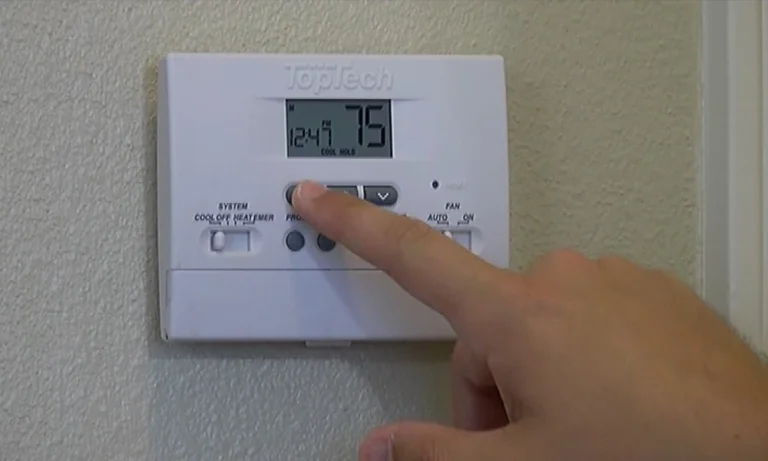
toptech thermostat s are designed to optimize energy use, ultimately lowering household energy bills while minimizing carbon footprints through enhanced efficiency when compared to traditional units.
TopTech thermostats come equipped with smart temperature control features that learn user preferences, adjusting automatically based on home occupancy to provide personalized comfort.
Before homeowners go ahead with the installation of a TopTech thermostat, assessing existing wiring compatibility is essential, particularly regarding the availability of a C-wire, to ensure a seamless setup experience.
For optimal performance, placing the thermostat in a central location, far from direct sunlight and drafts, greatly increases both accuracy and temperature readings.
TopTech presents a diverse range of models, each featuring unique attributes such as Wi-Fi connectivity, user-friendly interfaces, and advanced smart learning capabilities, tailored to meet varying user needs.
User feedback showcases considerable savings on energy bills alongside enhanced home comfort, reinforcing the idea that investing in a TopTech thermostat brings more value than merely technological improvements.
Looking forward, TopTech’s future innovations promise to include sophisticated machine learning and better sensor technology, which should enhance energy efficiency and user convenience in home climate control further.
How TopTech Thermostats Enhance Energy Efficiency
The Hidden Costs of Inefficiency
Energy bills often hit hard for many households. It’s surprising just how much inefficiencies in heating and cooling systems can lead to escalating costs over time. Even a simple, traditional thermostat can contribute to excessive energy consumption when homeowners don’t realize how much energy is wasted. To put it simply, inefficient systems guzzle energy, resulting in soaring bills and a larger carbon footprint.
Experts advise consumers to think about the hidden costs tied to outdated technology. For instance, a non-programmable thermostat may lead to unnecessary overuse; when the home temperature strays too far from comfort, the HVAC system runs longer than it should. In contrast, the TopTech thermostat optimizes energy usage-resulting in lower bills and a more sustainable lifestyle.
Energy waste isn’t just about money; it’s an environmental issue.
Maximizing Comfort with Smart Temperature Control
Imagine returning home from a long day’s work to find a perfectly tempered environment waiting. A TopTech thermostat offers smart temperature control that adapts quickly to changing conditions. Unlike traditional models that often demand manual adjustments, TopTech systems learn user habits, providing a tailored comfort experience without the fuss.
How does this change daily life? A smart thermostat can detect when people are home or away and adjust temperatures accordingly. This not only maximizes comfort but also dramatically enhances energy efficiency. When clients transition to a TopTech model, many report an impressive enhancement in their home atmosphere, transforming it into a cozy and inviting space.
Setting Up Your TopTech Thermostat: A Step-by-Step Guide
Pre-Installation Considerations You Shouldn’t Ignore
Though installing a TopTech thermostat might seem overwhelming at first, it can be a breeze with the right planning. The first critical step involves checking existing wiring. Ensuring compatibility is vital; having the correct components is essential. Understanding whether a home has a C-wire can simplify the process significantly, as the absence of this wire can complicate installations, especially for models that rely on it.
- Assess existing HVAC systems. Are they outdated or recent?
- Determine wiring compatibility. Check for the presence of a C-wire.
- Read the instructions. Know what’s involved in the installation.
Neglecting these prerequisites might lead to installation delays, so thorough preparation can ensure a seamless experience.
Expert Tips for an Optimal Setup
To garner the best results during installation, consider these expert tips: location is everything. Positioning the thermostat centrally assures accurate temperature readings. Keeping it away from direct sunlight or drafts helps prevent inaccuracies. Additionally, using a level during installation can significantly impact the unit’s performance and accuracy.
- Choose a central location.
- Avoid direct sunlight exposure.
- Use a level for precise alignment.
Verifying connections is also essential. Skipping steps in this area can result in subpar performance. Double-checking wiring before sealing everything in place is a must. After installation, running a test cycle can confirm that the system operates as intended. Following these tips typically leads to a satisfying setup experience.
Comparing TopTech Models: Which One is Right for Your Home?
All-Inclusive Features of TopTech’s Best Sellers
With an array of models available, figuring out which TopTech thermostat suits best requires an understanding of the unique features. Buyers should familiarize themselves with the variations when assessing options. Some models come with Wi-Fi connectivity, while others focus on streamlined interfaces for simplicity. Advanced selections incorporate functionalities like geofencing, remote access, and smart learning capabilities. This comparison greatly aids in identifying the right choice tailored to specific household needs.
- Wi-Fi enabled for seamless remote management.
- User-friendly interface for straightforward usage.
- Smart learning for optimized temperature adjustments.
These choices cater to various lifestyles, whether for a tech-savvy user or someone who prefers a more simplified device. Recognizing these features helps align choices with specific home environments and occupant requirements.
Real-Life Testimonials: Users Share Their Experiences
Customer experiences speak volumes. What do actual users say about their TopTech thermostats? Many notice a substantial drop in their energy bills paired with an increase in comfort levels. Some even highlight how emergency heat settings became less necessary with smarter controls in place.
“Switching to TopTech saved us more than just money; it’s transformed how we feel at home.” – A satisfied customer.
These personal accounts underscore that investing in a TopTech thermostat goes beyond technology; it’s about enriching daily living. Clients express gratitude for their ability to manage home temperatures via smartphones, offering efficiency, comfort, and peace of mind.
The Future of Home Climate Control with TopTech
Innovations on the Horizon: What’s Next?
The future looks promising for home climate control, as TopTech continues to innovate, keeping its products on the cutting edge. Emerging technologies such as machine learning and improved sensor capabilities promise remarkable advancements in energy efficiency and user convenience. Envision a thermostat that adjusts intelligently based on weather predictions; this could become a reality soon.
- Enhanced machine learning for predictive adjustments.
- Improved sensors for stunningly accurate temperature readings.
- Updated interfaces for even easier user engagement.
Clients embracing these innovations will find themselves significantly benefiting from energy savings and heightened overall comfort. The sophistication of these systems is set to redefine expectations for climate control in the foreseeable future.
Integration with Smart Home Systems: A Game Changer
In today’s world, integration isn’t just a luxury; it’s becoming a necessity. TopTech thermostats shine when it comes to compatibility with various smart home systems, enabling users to centralize control over their environment. Why limit comfort management to just one device? Smart homes allow for cohesive functionality between different appliances, including lights, security systems, and HVAC setups.
Combining the TopTech thermostat with other smart devices provides homeowners with a synchronized approach to managing their climate. Remote accessibility and real-time updates enhance convenience, ensuring optimal home conditions at any time.
“The integration with my smart home system has simplified everything; I can’t imagine life without it.” – A satisfied homeowner.
As technology progresses, so will the possibilities for greater comfort and efficiency. Embracing these advancements can mean more than energy savings; it can lead to an overall improvement in daily life.
FAQ
What are the benefits of using a smart thermostat over a traditional one?
Smart thermostats like those from TopTech come with advanced features that automatically adjust temperatures based on user habits and home occupancy. This functionality not only boosts comfort but also greatly reduces energy wastage, reflecting in lower bills over time.
How do TopTech thermostats integrate with other smart home devices?
TopTech thermostats are engineered to work seamlessly with a multitude of smart home systems, enabling unified management of heating, cooling, lighting, and security. This integration enhances the overall user experience by allowing centralized control for an optimized living space.
Are there any specific maintenance requirements for TopTech thermostats?
Typically, TopTech thermostats demand minimal maintenance. Users should periodically check for software updates and make sure their settings match current preferences. Regular cleaning of the thermostat sensor and display can also help in keeping performance optimal.
Can household members control the thermostat remotely?
Absolutely, many TopTech thermostats feature Wi-Fi connectivity, allowing remote adjustments via smartphones or tablets. This means household members can modify settings from virtually anywhere, ensuring maximum comfort upon arriving home.
What factors should be considered when choosing a specific TopTech model?
When selecting a model, it’s important for consumers to consider various factors including household size, preference for smart features, and the necessity of Wi-Fi connectivity. Being aware of these details can help match the most suitable thermostat to lifestyle needs.
How do smart thermostats affect a home’s resale value?
Investing in a TopTech thermostat can boost a home’s appeal to potential buyers. Features associated with smart homes, especially those emphasizing energy efficiency, are increasingly prioritized, often resulting in a higher resale value or quicker sales.
What types of energy savings can users expect after installing a TopTech thermostat?
After switching to a TopTech thermostat, users frequently report energy savings of up to 30%. The blend of smart learning features and optimized temperature control usually results in more efficient heating and cooling operations.
Can the thermostat still function during a power outage?
While the thermostat requires power to operate, many models come equipped with battery backup options. This allows for limited functionality during outages, although internet-connected features would be unavailable until power is restored.
Useful Resources
- U.S. Department of Energy – A comprehensive resource detailing energy efficiency programs and tips for cutting down on energy consumption.
- U.S. Environmental Protection Agency (EPA) – Offers insights on energy-efficient home systems and the environmental benefits of reducing energy use.
- ENERGY STAR – Provides guidelines for energy-efficient products, including smart thermostats, along with tips for improving home energy efficiency.
- BuildingGreen – A resource for sustainable building practices, highlighting energy-efficient HVAC options and smart building technologies.
- HVAC.com – Shares information on HVAC systems, smart thermostats, and expert advice for homeowners.
- HomeAdvisor – A platform connecting users with professionals in home improvement, including HVAC installers and energy efficiency experts.
- International Association of Certified Home Inspectors (InterNACHI) – Provides resources for understanding the significance of proper HVAC installation and maintenance.
- AARP Home Improvement – Offers guidance and resources for homeowners seeking energy-efficient upgrades for their residences.