
Category

Home

Category

Many homeowners dream of adding a double vanity to their master bathroom. But limited space often deters upgrading from a single vanity. Fortunately, creative design solutions make installing double vanities possible even in small bathrooms. Smart planning and smart selections double your vanity convenience.

  • Understand standard bathroom dimensions. Minimum fixture clearances impact layout options. Typical bathtubs run 60-72 inches long. Showers measure around 36 x 36 inches. Allow 30-32 inches’ clearance in front of toilets. Door access requires 32-36 inches.
  • Now examine your bathroom layout and traffic patterns. Mark these fixed elements on a scale drawing. Visualize the remaining space to work within. Account for door swings that reduce useable floor area.
  • Experiment with plumbing lines for two sinks and drains. Contact a plumber to determine feasible and code-compliant configurations. Play with placements to optimize function while balancing costs.

With fixed elements mapped and plumbing planned, start playing with double vanity sizes and positions. Measure the maximum vanity length and depth your layout permits. This gives vanity shopping parameters. Prioritize traffic flow around the vanity, especially bathroom door access. Avoid bottlenecks and tight squeezes. Don’t sacrifice knee space and legroom. Consider your storage needs and his-and-her usage preferences. Do you require lots of drawer space? Would staggered sinks better suit how you share the bathroom? If space is at a premium, choose wall-hung units, narrow cabinet depths, or floating sinks. Vessel sinks minimize vanity depth but sacrifice counter space. Split double vanity configurations work wonderfully in tight footprints. A separate tower unit takes up little space while still providing his-and-her sinks. Mismatched vanities also be tailored to each user’s height. When you choose Bathroom Basins and Full Pedestal for sale in UK, you install a beautiful double vanity even in the smallest bathroom. Use these shopping tips:

  • Choose cabinet depths of 20 inches or less
  • Consider customizable sizing from specialty retailers
  • Favor narrower double bowl sinks
  • Opt for space-saving vessel sink designs
  • Seek shorter cabinet heights to maximize headroom
  • Look for removable drawer dividers to customize storage

Getting everything right requires meticulous bathroom measuring and planning. But the payoff is enjoying a luxuriously functional new double vanity.

Some helpful design ideas include:

  • Float the vanity away from the walls to define circulation paths
  • Zone sink and shower areas through creative vanity placement
  • Install windows alongside the vanity to visually expand the room
  • Accent with pendant lighting over each sink to draw the eye upward

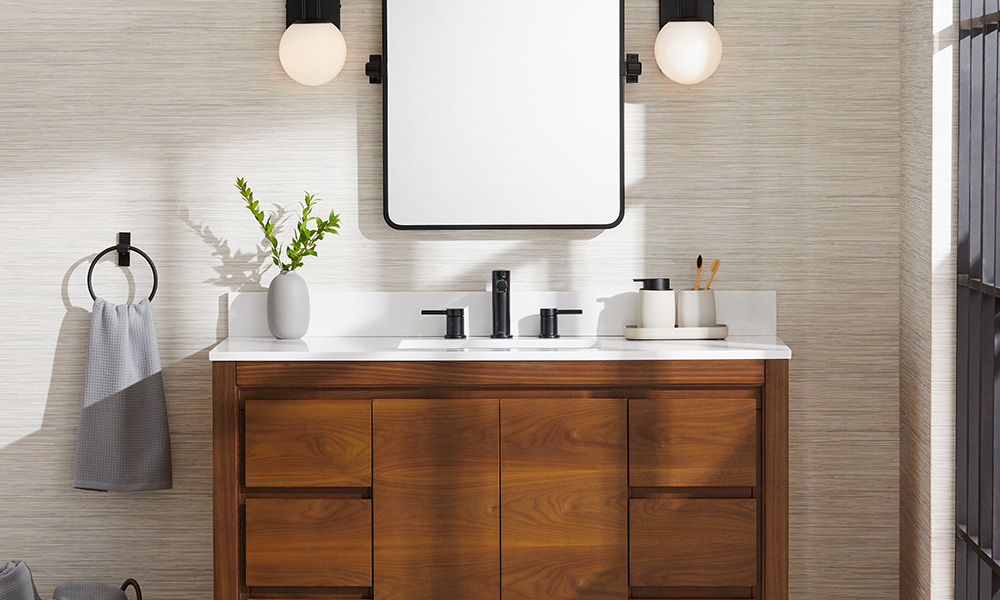
Beyond physical size, select the right double vanity style to promote harmony in a small bath. Avoid bulky, ornate vanities that overwhelm you. Instead, seek clean, streamlined designs to keep the room feeling open. Light colors for cabinets, quartz countertops, and backsplashes make the bathroom feel larger. Incorporate glass elements like frosted cabinet panels. Frame small vanities with oversized mirrors that double visual space. Storage equals success in a small double vanity installation. Seek amenities like pull-out trays, integrated drawer dividers, medicine cabinets, and side storage towers. Prevent overcrowding that makes the room feel disorganized.

Persian carpets have been treasured by people all over the world for centuries, not only for their aesthetic beauty but also for their cultural and historical significance. The allure of Persian carpets lies in their intricate design, vibrant colors, and exquisite craftsmanship, but they are also valued for their durability and long-lasting quality. We will find out why people love to have Persian carpets and why they are considered valuable.

History and Tradition

Persian carpets have a rich history and tradition that dates back over 2,500 years. They were originally woven by nomadic tribes in Iran and were used as floor coverings, blankets, and even as saddles for their horses. As the art of carpet weaving evolved, Persian carpets became more refined and intricate, and they were sought after by royalty and wealthy merchants.

Today, Persian carpets are still woven by hand using traditional techniques and materials, and they are considered to be works of art that represent the rich cultural heritage of Iran. Each carpet is unique, with its own story to tell, and owning a Persian carpet is like owning a piece of history.

Aesthetics

One of the main reasons people love to have Persian carpets is because of their stunning beauty. The intricate designs and vibrant colors of Persian carpets are breathtaking, and they can add warmth and personality to any room. Persian carpets come in a wide variety of styles and designs, from geometric patterns to floral motifs, and each one is a masterpiece of artistry and creativity.

Durability and Longevity

Another reason people love to have Persian carpets is because of their durability and long-lasting quality. Persian carpets are made using high-quality materials, including wool, silk, and cotton, which are known for their strength and resilience. They are also woven using traditional techniques that have been perfected over centuries, resulting in carpets that can withstand the test of time.

Value and Investment

Persian carpets are also considered to be valuable investments. Because they are handmade and each one is unique, Persian carpets are often sold at premium prices. In fact, some Persian carpets have sold for millions of dollars at auction.

In addition to their aesthetic value, Persian carpets also appreciate in value over time, making them a smart investment for collectors and enthusiasts. As the supply of handmade Persian carpets decreases and demand increases, their value is likely to continue to rise.

Conclusion

In conclusion, people love to have Persian carpets for many reasons, including their history and tradition, aesthetic beauty, durability, and value as investments. Persian carpets are more than just floor coverings; they are works of art that represent a rich cultural heritage and a tradition of craftsmanship that has been passed down through generations. Whether you are a collector, an enthusiast, or simply someone who appreciates beautiful things, a Persian carpet is sure to add value and beauty to your home for years to come.

When one thinks of Islamic art, the intricate and mesmerizing designs of mosque carpets immediately come to mind. For centuries, these carpets have served not only as functional pieces for prayer spaces but also as expressions of artistic creativity and spiritual devotion. The intricate patterns and vibrant colors of mosque carpets represent the beauty and diversity of Islamic culture and are a testament to the skilled craftsmanship of the artists who create them.

The history of mosque carpets dates back to the early days of Islam when Prophet Muhammad himself instructed his followers to use carpets for prayer. Since then, mosque carpets have evolved from simple woven mats to intricate works of art, featuring ornate patterns, bold colors, and rich textures. The use of these carpets in mosques not only enhances the visual appeal of the prayer space but also provides a comfortable and clean surface for worshippers to kneel on.

One of the most notable features of mosque carpets is their intricate geometric patterns, which are often based on complex mathematical principles. These patterns are not only visually stunning but also serve a symbolic purpose, representing the unity and harmony of the Islamic faith. The use of floral motifs and calligraphy is also common in mosque carpets, further emphasizing the connection between Islamic art and spirituality.

The Evolution of Mosque Carpets: From Traditional to Contemporary Designs

While mosque carpets have always been a staple of Islamic art and culture, their designs have evolved to reflect changing trends and tastes. Traditional mosque carpets are characterized by their intricate patterns and vibrant colors, often featuring geometric shapes and floral motifs. These designs are still widely used today and are beloved by many for their timeless beauty and cultural significance.

However, in recent years, mosque carpet design has begun to incorporate more contemporary elements, such as abstract shapes and modern color schemes. This shift towards a more minimalist and streamlined style has been embraced by many designers and worshippers alike, who appreciate the clean and modern look of these carpets.

Contemporary mosque carpets are often characterized by their use of bold colors and asymmetrical patterns, which add a dynamic and energetic feel to the prayer space. The use of modern materials such as nylon and polyester has also allowed for greater durability and ease of maintenance, making these carpets a practical choice for busy mosques and prayer spaces.

Mosque Carpets: A Luxurious Addition to Any Prayer Space

While the primary function of mosque carpets is to provide a clean and comfortable surface for prayer, they also serve as a luxurious and elegant addition to any prayer space. The vibrant colors and intricate patterns of these carpets add a sense of grandeur and sophistication to any mosque or prayer room and create an atmosphere of reverence and contemplation.

In addition to their aesthetic value, mosque carpets also offer practical benefits. They provide insulation against cold floors, cushioning for worshippers, and help to reduce noise levels in crowded prayer spaces. Many mosque carpets also feature anti-slip backings, ensuring safety and stability for those using them.