
Category

Health

Category

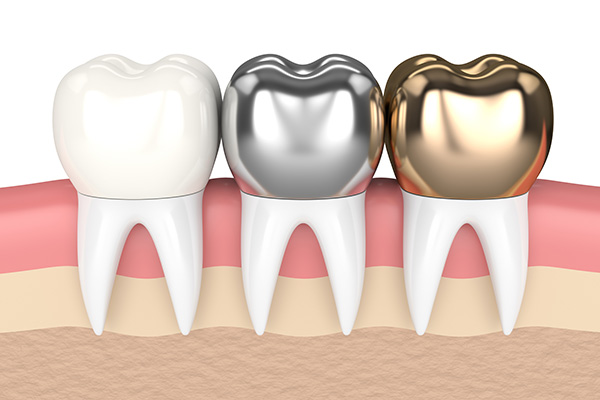
Dental crowns are caps placed over the teeth to restore their original size and shape, letting them function properly. Usually, porcelain crowns are used due to their strength and ability to be customized to match your remaining teeth’s color. A dental practice in Powell, TN, can determine if you can benefit from dental crowns. 

When Do You Need a Dental Crown?

You may need a dental crown if you have a cracked, worn, or weakened tooth. Also, a dental crown can protect a tooth following a root canal procedure and restore a big cavity that a dental filling cannot handle. In addition, you may also get a dental crown to hide a badly shaped, discolored, or decayed tooth. The crown improves the look of a tooth and your overall smile. 

Benefits of Dental Crowns

Dental crowns can be made of ceramic, composite, porcelain, and metal alloy fused to metal. They are designed to match your natural teeth color. Your dentist will determine the right material according to some factors, such as the position of your tooth, the affected tooth’s color, your preference, and gum tissue. 

Dental crowns made of porcelain are preferred as they can be customized to look like your natural tooth. Also, porcelain restores the normal function of the tooth. But porcelain crowns do not heal quickly and are not as strong as tooth enamel. Thus, you must not consume hard foods after you get a porcelain crown to prevent damage. 

How Long Do Porcelain Crowns Last

A dental crown can last up to fifteen years when properly maintained. If you take good care of your dental crown, it can even last up to thirty years. Porcelain crowns can endure 5-15 years of use. Some factors determine a crown’s lifespan, including your oral practices, the wear and tear the crown is subjected to, and the frequency of your dental checkups.

What to Expect When You Get Dental Crowns

Often, a dental crown is completed in two appointments. Your first appointment is meant to clean the affected tooth, so it will be ready for the crown. If the core of the tooth has decayed enough that it cannot support a dental crown, your dentist may use composite material to rebuild it. 

Then, your dentist will take the imprints of the tooth to fabricate an accurate model. It takes around a couple of weeks to produce your crown. But some dental clinics with the necessary equipment can make the crow on the same day. Your dentist will place the crown over the affected tooth, make necessary changes, and cement the crown into place. 

Bone grafting is a standard procedure performed in conjunction with dental implant surgery. It involves adding bone material to the jaw to provide a stable base for the implant. This procedure is necessary when there is not enough bone in the jaw to support the implant or if the existing bone is too weak to support the implant. 

The bone material used for grafting can come from various sources, including the patient’s bone or donor. Understanding the role of bone grafting in dental implant surgery is essential for those considering this procedure, as it can significantly impact the success and longevity of the implants. You can also contact a dentist in Fort Myers, FL, if you need professional help understanding the role of bone grafting in surgery.

Understanding the role of bone grafting in dental implant surgery: 

  • Bone grafting provides a stable foundation

Bone grafting provides a stable foundation for dental implant surgery. When an insufficient bone in the jaw supports the implant, bone grafting is necessary to create a stable base. The graft material acts as a scaffold for the bone to grow, building a solid foundation for the implant. It ensures that the implant can integrate with the jawbone and remain in place, providing a long-term solution for missing teeth.

  • It promotes bone growth.

Bone grafting promotes bone growth in the jaw. The graft material stimulates the body’s natural healing response, encouraging new bone to grow around the graft site. Over time, the body absorbs the graft material, leaving behind new bone tissue that can support the dental implant. By promoting bone growth, bone grafting helps to ensure the implant’s long-term stability, which is essential for successful dental implant surgery.

  • It may be necessary for certain patients.

Bone grafting may be necessary for certain patients who have experienced significant bone loss in the jaw. It includes patients with periodontal disease or missing teeth for an extended period. 

Dental implants may fail or not integrate properly with the jawbone without sufficient bone. Bone grafting provides a solution for patients with insufficient bone, ensuring the implants have a stable foundation for successful integration and long-term use.

  • It can add to the overall cost and time of the procedure.

Bone grafting is a necessary procedure in some cases to ensure successful dental implant surgery. However, it can add to the overall cost and time of the procedure. The additional cost and time depend on the extent of bone loss and the source of the bone material used for grafting. While it may increase the cost and duration of the procedure, the benefits of successful dental implants that can last for many years often outweigh the added investment.

 Preventive dentistry care’s objective is to help you escape common oral health issues so you can keep your smile healthy for life. Plaque is an invisible layer of microorganisms in the mouth that contributes to a number of dental health problems. Plaque adheres to your teeth and gums and uses the sugar it consumes to create an acid. Over time, this acid damages your gums and teeth and can solidify as plaque. The ability to maintain good dental hygiene at home and ensure that you visit your dentist for preventive treatment every six months exists. Luckily, there is a dental practice in Wichita Falls that can help you. 

The five various prophylactic dental procedures are listed below:

  1. Dental Hygiene

Plaque can be removed at home by regularly cleaning and polishing your teeth. Tartar removal, however, can only be done by a dentist. This is why visiting them for your regular dental treatment every six months is crucial.

  1. Oral Exams

In order for our dentist to inspect your jawbones and other deep dental tissues during your visit, we might take X-rays. This makes it possible to spot any minor problems before there is an opportunity to endanger your dental health. 

  1. Sealants for Teeth

An invisible plastic covering known as dental sealant is painted by a dentist on the chewing areas of your teeth (back teeth). There are no age limits for dental sealants, which are usually advised for young children. This implies that for adult customers who may require additional cavity protection, dentists are more than glad to provide dental sealants.

  1. Oral Cancer Examinations

In 2021, 54,010 Americans were expected to develop oral or tongue cancer, according to the American Cancer Society. If you do not already have one, you must get an oral cancer test at your next dental visit. 

Your chance of oral cancer will be impacted by a number of variables, including:

  • Alcohol Abuse and Smoking
  • Lips with Excessive Sun Exposure
  • Family History of Cancer and the Human Papillomavirus (HPV)

One could still get mouth cancer in their lifetime even if they do not have any of these risk factors.

  1. Mouthguards for Athletes

The highest degree of security is provided by a custom guard, not the generic mouth shields you can purchase at the athletic goods shop.

A bespoke sports mouth shield fits your particular tooth and gum shapes. Additionally, it softens the blow if you are struck in the face during a game or practice. An oral problem spoiling your season is the last thing you need.