
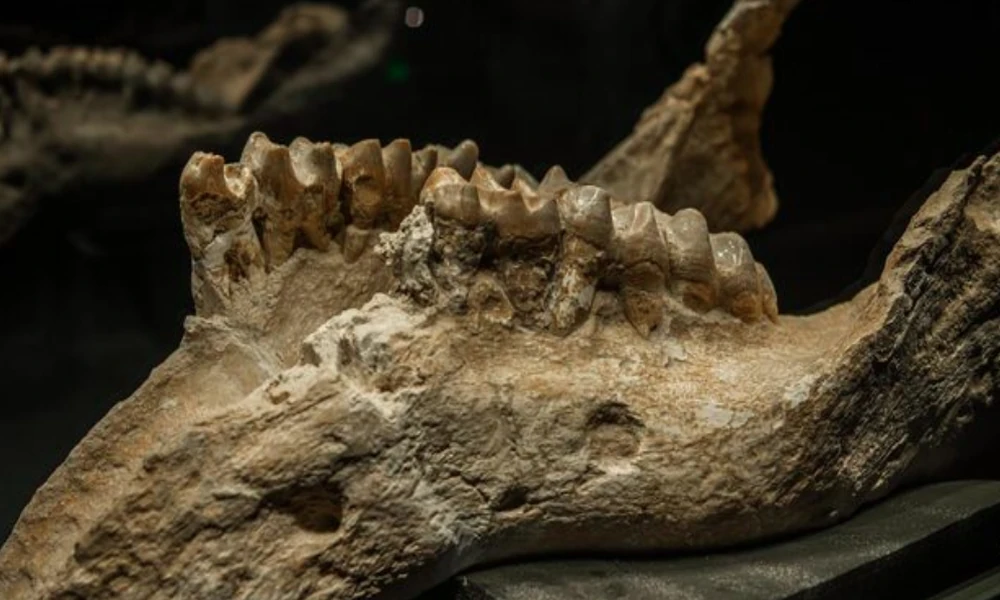
Florida’s interior holds a legendary secret buried beneath its pine scrub and oak hammocks. Millions of years ago, a shallow prehistoric sea covered this region, serving as a nursery for the ocean’s greatest apex predator. Today, this area is known to paleontologists and hobbyists alike as Bone Valley.
It is world-renowned for yielding fossils with unique, breathtaking preservation. For intrepid adventurers, the ultimate prize is a pristine Bone Valley Megalodon tooth. Discovering these rare treasures requires a mix of geological knowledge, patience, and specialized hunting techniques.
Understanding the Unique Geological Formation
The journey to finding a bone valley megalodon tooth begins with understanding the local stratigraphy. The Bone Valley Member is a unique geological formation rich in phosphate.
Over millions of years, the chemical interaction between the surrounding minerals and the organic material of shark teeth created a mineralization process unlike anywhere else on Earth.
Instead of the typical gray or black colors found in standard beach fossils, teeth from this region boast vibrant hues of white, blue, tan, and olive green. Knowing where these specific phosphate beds sit beneath the topsoil layers is the crucial first step for any successful fossil hunter.
Scouting the Perfect Hunting Locations
Fossil hunters rarely stumble upon these prizes by walking through random fields. They must locate areas where nature or human activity has exposed the ancient, deeply buried phosphate layers.
Active and abandoned phosphate mines are prime territory, though they generally require strict, hard-to-obtain corporate permissions.
Consequently, many hunters focus on public riverbeds, shallow creeks, and specialized gravel pits where erosion has naturally peeled away the overlying sediment. By studying topographical maps and local water tables, hunters can pinpoint exactly where streams cut directly into the fossiliferous strata.
Mastering the Shallow Water Sifting Technique
Once a promising creek or river stretch is identified, hunters employ the sifting method. This technique involves wading into the water with a specialized, floating screen mesh.
Hunters use shovels to scoop gravel from the bottom of the riverbed, focusing heavily on the downstream side of large boulders or fallen logs where heavy fossils naturally settle.
The gravel is then dumped into the sieve and shaken vigorously. As the sand washes away, beautiful fragments of ancient life appear, occasionally revealing the magnificent serrations of a Bone Valley Megalodon tooth.
Exploring Inland Pits and Land Matrix
Not all successful hunting happens in the water. Some fossil enthusiasts prefer dry-land digging in construction sites, agricultural fields, or permitted quarry areas. This method requires looking for the distinctive grayish-green clay or loose pebble matrix that signifies the prehistoric seabed.
Land digging is physically demanding, often requiring hours of shoveling and scraping through dense, compacted earth.
However, the reward for this dry excavation can be an incredibly intact Bone Valley Megalodon tooth that has been perfectly cushioned by soft clay, completely protected from the abrasive tumbling of river currents.
Identifying Authentic Tooth Characteristics
Distinguishing a true find from other shark specimens requires an eye for detail. A Megalodon tooth is recognizable by its massive size, thick root, and a distinct V-shaped scar called the bourlette. What truly sets a specimen from this specific region apart, however, is its color palette.
The unique phosphate composition infuses the enamel with striking color combinations. When a hunter pulls a tooth from the screen, checking for these specific mineral stains and heavy mineralization helps confirm they are holding an authentic piece of this region’s ancient marine history.

Comments are closed.