Category

Health

Category

Losing a tooth may be distressing, affecting your self-beliefs and oral health. While conventional solutions like dentures and bridges were common, dental implants by dentist in Aurora, IL, have emerged as modern solutions for tooth loss. These current marvels not only restore your smile but additionally offer several benefits that make them stand out within the global community of oral care.

The Science Behind Dental Implants

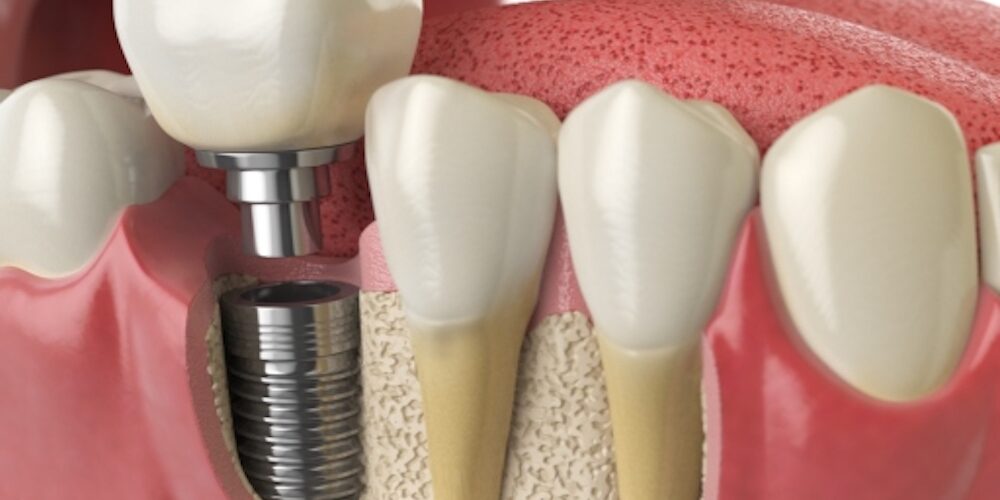
Dental implants are more than simply synthetic teeth, they’re a complicated integration of technology and artwork. Surgically located into the jawbone, these titanium wonders act as roots for alternative enamel. Over time, they fuse with the bone, developing a strong basis that duplicates the normal shape of a tooth.

Advantages Of Traditional Solutions

  • Durability and Longevity

Unlike dentures and bridges that can need frequent changes or replacements, dental implants are built to be absolute. With proper care, they could bear many years, if not a lifetime.

  • Enhanced Aesthetics

Dental implants don’t just fill gaps; they offer a natural appearance and sense. Their design guarantees that they seamlessly mix with your existing enamel, restoring your smile to its former glory.

  • Preservation of Jawbone

Tooth loss can lead to bone deterioration over time. Implants stimulate the bone, stopping its degradation and maintaining the integrity of your facial shape.

  • Restoring Confidence and Functionality

Dental implants go beyond aesthetics. They empower you to eat, communicate, and smile with self-assurance. Unlike dentures, which would possibly slip or hinder speech, implants stay firmly in the vicinity, permitting you to experience life without regulations.

  • Improved Oral Health

Unlike traditional answers that could require altering adjacent teeth for aid, implants stand independently. With this method, your neighboring tooth stays untouched, promoting overall oral fitness.

The Implant Procedure

The implant procedure involves a set of a few levels. After a preliminary assessment, a titanium is surgically inserted into the jawbone. Over numerous weeks, osseointegration happens, all through which the implant bonds with the bone. Once this basis is hooked up, an abutment and custom-made crown are connected, finishing off your new tooth.

Who’s a Candidate?

While dental implants are a fantastic choice for most, candidacy relies upon factors like bone density, average fitness, and oral hygiene. Consulting with a certified dentist can decide if implants are right for you.

Conclusion

Dental implants offer incredible alternatives for lost teeth. With their notable sturdiness, natural appearance, and purposeful benefits, they have revolutionized the sector of dentistry. If you’re prepared to regain your smile and transform your oral health for the better, do not forget the transformative power of dental implants. Your journey to a brighter, more assured smile begins right here.

In a rapidly evolving world of recreational choices, a new trend has emerged that is capturing the attention of young adults seeking safe and legal alternatives to traditional drugs. In the pursuit of understanding shifting youth preferences, websites like redcarpetcrash.com shed light on emerging trends, such as the growing fascination with HHC gummies as a substitute for conventional substances. This article delves into the reasons behind the surge in interest and consumption of HHC gummies among young adults.

The Quest for Safer Alternatives

Young adults have always been drawn to experimentation, pushing boundaries, and seeking novel experiences. However, there has been a growing awareness of the potential risks associated with traditional recreational substances in recent years. The desire for a safer, legal, and accessible option has led many young adults to explore alternatives that provide a similar sense of relaxation and euphoria without the potential downsides.

The HHC Difference: What Are HHC Gummies?

HHC, or Hexahydrocannabinol, is a compound derived from the hemp plant. It shares similarities with its more well-known cousin, THC (Tetrahydrocannabinol), found in marijuana. However, HHC possesses unique properties that set it apart. It offers a milder psychotropic effect than THC, providing users with a subtle sense of relaxation and euphoria. This distinction is key in attracting young adults looking for an experience that straddles the line between traditional cannabis and legal alternatives.

The Legal Landscape and Accessibility

One of the driving forces behind the rising popularity of HHC gummies is their legality in many places where traditional cannabis remains prohibited. As regulations surrounding hemp-derived products continue to evolve, HHC finds itself in a legal gray area that makes it accessible to a broader audience. For young adults who are keen on exploring altered states of consciousness without breaking the law, HHC gummies present an alluring option.

Curiosity and Novelty

The allure of the unknown is a potent force, especially among young adults. HHC gummies represent a novel experience that intrigues those seeking something different from the conventional options. The excitement of trying a substance not as well-researched or widely recognized as THC sparks curiosity and drives experimentation.

Social and Peer Influences

Peer pressure and social influences have always played a role in shaping the choices of young adults. As HHC gummies gain traction, they become part of a larger cultural phenomenon. Word-of-mouth endorsements and positive experiences shared among friends can quickly elevate the trend’s popularity. The desire to join this growing movement and bond with peers over shared experiences can drive young adults to try these gummies.

The Appeal of Controlled Experiences

One of the unique aspects of HHC gummies is the controlled nature of the experience they offer. Unlike traditional drugs, which can induce intense highs and unpredictable reactions, HHC provides a more measured and manageable effect. For young adults who value having some level of control over their experience, these gummies offer a degree of predictability that can be appealing.

Potential Benefits and Risks

While HHC gummies offer a promising alternative to traditional drugs, it’s essential to acknowledge both their potential benefits and risks. On the positive side, their legal status and milder effects can make them a more appealing choice for those looking to explore altered states of mind. However, as with any substance, there is a need for responsible consumption. The lack of extensive research on HHC means its long-term effects are not fully understood, underscoring the importance of moderation and informed decision-making.

Conclusion:q

The rising popularity of HHC gummies among young adults signifies a notable shift in recreational preferences. This trend showcases a generation’s evolving mindset that seeks novelty and safety in their choices. As legal and cultural landscapes continue to evolve, it will be fascinating to see how these gummies integrate into youth culture and whether they will remain a lasting choice for those seeking a legal and controlled alternative to traditional drugs. As with any trend, it’s crucial for young adults to approach HHC gummies with caution, education, and an awareness of their boundaries.

As the world’s population continues to age, the prevalence of age-related diseases is on the rise. One such condition that affects millions globally is age-related macular degeneration (AMD). It’s a leading cause of vision loss among people aged 50 and older, and its early detection and prevention are vital to maintaining quality vision for as long as possible.

What is age related macular degeneration (AMD)?

AMD is a progressive eye condition affecting the macula, the small central area of the retina that’s responsible for sharp, clear central vision. The disease comes in two types: wet and dry.

Dry AMD: This is the most common form of the disease, accounting for about 80-90% of all cases. It is characterized by the thinning of the macula, leading to atrophic lesions and, in some instances, the slow loss of central vision.

Wet AMD: This is the more severe form of the disease and progresses more rapidly than the dry type. It happens when abnormal blood vessels grow underneath the retina. These vessels can leak blood and fluid, leading to damage and rapid vision loss if not treated promptly.

The exact cause of AMD is unknown, but several factors are believed to increase the risk of developing the condition. These include age, genetics, smoking, high blood pressure, and a diet lacking in fruits and vegetables.

Symptoms and Detection

The early stages of AMD may not present any symptoms, making regular eye check-ups essential, especially for those over the age of 50. As the disease progresses, a person may notice:

A blurring of the central vision.

Straight lines appearing wavy.

Dark, blurry areas or whiteout in the center of vision.

Changes in color perception.

It’s crucial to consult an eye specialist if any of these symptoms are observed. Early detection can help slow the progression of the disease and preserve vision for a longer time.

Prevention and Treatment

While there’s no definitive cure for AMD, there are steps one can take to reduce the risk of developing the condition and to manage its progression if diagnosed.

Regular Eye Examinations: Regular check-ups with an ophthalmologist can catch AMD in its early stages, making it easier to manage and treat.

Diet and Nutrition: A diet rich in leafy green vegetables, fish, and nuts can help in reducing the risk of AMD. Some studies suggest that certain vitamins and minerals, such as vitamin C, E, and zinc, may help slow the progression of the disease in people who have intermediate or advanced AMD.

Quit Smoking: Smoking significantly increases the risk of developing AMD and accelerates its progression.

Manage Cardiovascular Health: High blood pressure and other cardiovascular diseases can increase the risk of AMD. Regular exercise, a healthy diet, and regular medical check-ups can help in managing and preventing these conditions.

Protection from UV Light: Wearing sunglasses that block harmful UV rays can help in reducing the risk.

For those who have been diagnosed with wet AMD, there are treatments available that can slow or stop the growth of the abnormal blood vessels. These treatments include injections, laser surgery, and photodynamic therapy.

The Future of AMD Treatment

Researchers continue to investigate potential treatments for AMD. With the advancements in medical technology and a better understanding of the disease’s genetics, there’s hope for more effective treatments in the near future. Initiatives and resources like those provided by https://preventblindness.org/amd-age-related-macular-degeneration/ offer invaluable information, guidance, and support to those living with the condition and their families.

In Conclusion

Age-related macular degeneration is a significant concern for the aging global population. With early detection, preventive measures, and ongoing research, it’s possible to manage the condition and maintain a good quality of life. Stay informed, undergo regular eye check-ups, and adopt a healthy lifestyle to protect your vision.