
Category

Health

Category

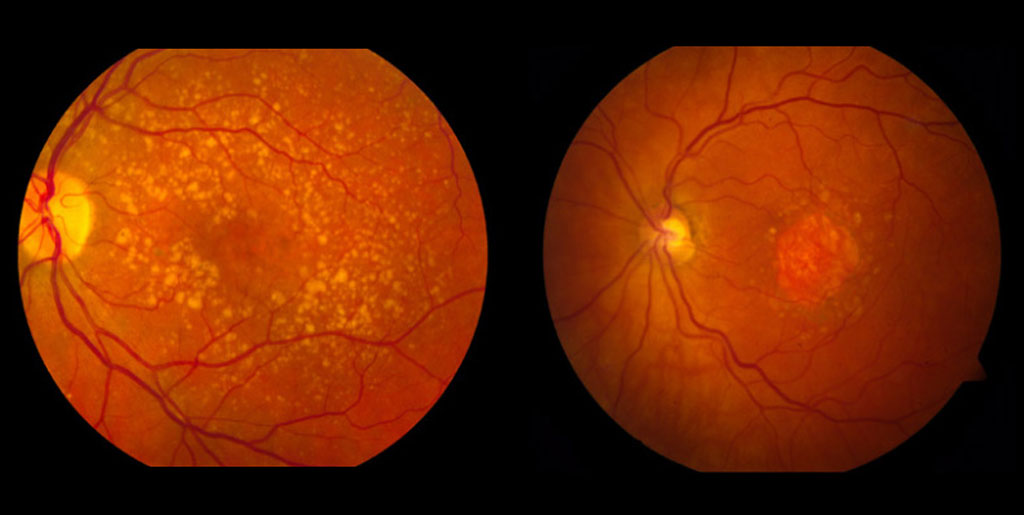
As the world’s population continues to age, the prevalence of age-related diseases is on the rise. One such condition that affects millions globally is age-related macular degeneration (AMD). It’s a leading cause of vision loss among people aged 50 and older, and its early detection and prevention are vital to maintaining quality vision for as long as possible.

What is age related macular degeneration (AMD)?

AMD is a progressive eye condition affecting the macula, the small central area of the retina that’s responsible for sharp, clear central vision. The disease comes in two types: wet and dry.

Dry AMD: This is the most common form of the disease, accounting for about 80-90% of all cases. It is characterized by the thinning of the macula, leading to atrophic lesions and, in some instances, the slow loss of central vision.

Wet AMD: This is the more severe form of the disease and progresses more rapidly than the dry type. It happens when abnormal blood vessels grow underneath the retina. These vessels can leak blood and fluid, leading to damage and rapid vision loss if not treated promptly.

The exact cause of AMD is unknown, but several factors are believed to increase the risk of developing the condition. These include age, genetics, smoking, high blood pressure, and a diet lacking in fruits and vegetables.

Symptoms and Detection

The early stages of AMD may not present any symptoms, making regular eye check-ups essential, especially for those over the age of 50. As the disease progresses, a person may notice:

A blurring of the central vision.

Straight lines appearing wavy.

Dark, blurry areas or whiteout in the center of vision.

Changes in color perception.

It’s crucial to consult an eye specialist if any of these symptoms are observed. Early detection can help slow the progression of the disease and preserve vision for a longer time.

Prevention and Treatment

While there’s no definitive cure for AMD, there are steps one can take to reduce the risk of developing the condition and to manage its progression if diagnosed.

Regular Eye Examinations: Regular check-ups with an ophthalmologist can catch AMD in its early stages, making it easier to manage and treat.

Diet and Nutrition: A diet rich in leafy green vegetables, fish, and nuts can help in reducing the risk of AMD. Some studies suggest that certain vitamins and minerals, such as vitamin C, E, and zinc, may help slow the progression of the disease in people who have intermediate or advanced AMD.

Quit Smoking: Smoking significantly increases the risk of developing AMD and accelerates its progression.

Manage Cardiovascular Health: High blood pressure and other cardiovascular diseases can increase the risk of AMD. Regular exercise, a healthy diet, and regular medical check-ups can help in managing and preventing these conditions.

Protection from UV Light: Wearing sunglasses that block harmful UV rays can help in reducing the risk.

For those who have been diagnosed with wet AMD, there are treatments available that can slow or stop the growth of the abnormal blood vessels. These treatments include injections, laser surgery, and photodynamic therapy.

The Future of AMD Treatment

Researchers continue to investigate potential treatments for AMD. With the advancements in medical technology and a better understanding of the disease’s genetics, there’s hope for more effective treatments in the near future. Initiatives and resources like those provided by https://preventblindness.org/amd-age-related-macular-degeneration/ offer invaluable information, guidance, and support to those living with the condition and their families.

In Conclusion

Age-related macular degeneration is a significant concern for the aging global population. With early detection, preventive measures, and ongoing research, it’s possible to manage the condition and maintain a good quality of life. Stay informed, undergo regular eye check-ups, and adopt a healthy lifestyle to protect your vision.
Chronic Care Management (CCM) is an essential aspect of healthcare that focuses on providing personalized care for patients living with long-term medical conditions. With the rise in chronic illnesses, implementing an effective CCM strategy has become crucial for healthcare providers. In this article, we’ll explore the benefits of utilizing a comprehensive chronic care management approach and how it can improve patient outcomes and overall healthcare experiences.

Enhanced Patient Engagement and Communication

Implementing a CCM program results in better patient engagement and communication between patients, healthcare providers, and caregivers. Through regular follow-ups and structured care plans, patients feel more involved in their treatment, leading to increased satisfaction and improved adherence to care recommendations. Effective CCM programs facilitate open channels of communication, allowing patients to voice their concerns and receive timely feedback, promoting a better understanding of their condition and the steps required to manage it.

Improved Care Coordination

One significant advantage of a well-structured CCM approach is the enhancement of care coordination among healthcare providers. By offering a centralized platform for sharing patient information, CCM ensures that all parties involved in the care process, from primary care physicians to specialists and care managers, are on the same page. This integrated collaboration translates to a seamless healthcare experience for patients, reducing the risk of medical errors and ensuring that their needs are addressed efficiently.

Proactive and Personalized Care

A CCM program puts the focus on proactive and personalized care, identifying potential healthcare needs and offering tailored interventions to manage chronic conditions. By monitoring patients’ health status regularly, healthcare providers can intervene early if there are signs of potential complications. This preventive approach can help minimize the development of more severe health issues, ultimately leading to better patient outcomes and overall well-being.

Cost-effective Healthcare Delivery

The financial burden of chronic diseases on both patients and healthcare systems cannot be overstated. By implementing a comprehensive CCM strategy, healthcare providers can reduce hospitalization rates, emergency room visits, and reduce healthcare costs associated with managing chronic illnesses. Through better care coordination and more targeted interventions, CCM programs can lead to significant cost savings in the long run.

Increased Access to Care

For patients who may face mobility or transportation barriers, CCM programs can provide increased access to care through telehealth and remote monitoring services. These innovative solutions help healthcare providers monitor patients’ conditions and deliver care more efficiently, removing geographical barriers and ensuring that patients receive the appropriate care, regardless of their location.

To Conclude

The benefits of Chronic Care Management are numerous, covering everything from improved patient engagement to cost-effective healthcare delivery. By implementing a comprehensive CCM strategy, healthcare providers can transform the management of chronic diseases, drive better patient outcomes, and create more efficient healthcare systems. So don’t wait, start leveraging the power of CCM and reap its numerous rewards today. Thank you for reading!


Root Canal Treatment

Image Credit: Istockphoto

Nobody wants to experience a toothache, as it is quite painful. Besides, toothache can occur due to several reasons. If you are experiencing toothache regularly, it is very important to see a dentist, to know what is causing it. If you notice any symptoms of tooth damage, never ignore them as it can turn into a serious problem.

When you meet a dentist, he or she will first examine your teeth. If required they might suggest x-rays to know what is causing the pain. In most cases, the cause for the pain is due to things that are happening below the tooth surface.

There are many dentists in the US nowadays. But some of them may not offer the best treatment to their patients. If you are looking for the best treatment, the first thing you must do is, do proper research online. Look at the patient reviews to know who offers the best treatment to their patients.

Here is a quick suggestion for you to find the best Dentist Rancho Bernardo.

Contact the Hekmat Family Dentistry for the best care.

Their team is known for providing quality dental care at a very reasonable price. Check out their patients on their website to know how useful their treatment options would be.

When your dentist identifies that your tooth is damaged, he or she may recommend filling for you. If the problem is more serious, he or she may recommend you to contact a good endodontist for root canal treatment. When it comes to filling, it is a very quick and simple procedure. Even a dentist can perform a root canal.

Many people think that the root canal is a very painful procedure. But that is not true completely. To prevent infection, the damaged tissue related to the infected tooth needs to be removed first. Your tooth will remain in place after the dentist removes the tooth roots and pulp.

They will make sure it is properly disinfected before sealing the opening with a unique substance called ‘gutta-percha’. To maintain the tooth’s integrity and security, you might have a filling. The root canal procedure takes around 1 to 2 hours.

Root Canal Signs

Image Credit: Istockphoto

Emergency Root Canal Signs

  • If your tooth infection is severe, you might observe pus coming out from the surrounding area sometimes. As this indicates emergency care, you must immediately contact a dentist. If you have a tooth infection, it must be treated at the initial stage itself. Because the more you delay, the more severe your problem will become. This infection might also result in tooth loss sometimes. If ignored, the infection can spread to other body parts too like the brain and heart. A dentist will perform an emergency root canal, for saving your tooth.
  • If you experience unbearable pain, there is a requirement for emergency care. The pain that you experience will not be like the regular one and it can even lead to stress. In fact, you will not be able to sleep or focus on any of your tasks properly.
  • A tooth’s discoloration may also indicate that your tooth’s nerves are damaged. Root canal treatment is meant for saving your tooth if the discoloration is accompanied by pain.
  • If your tooth is damaged badly, you may require root canal treatment. Because of the excessive damage done, you may lose your tooth completely. To avoid this, a dentist might recommend a root canal.

If you are planning to get the root canal done, ensure that you stay away from alcohol, for at least 24hrs before the treatment. Post treatment, it is better to quit drinking alcohol. If you cannot do the same, you need to avoid it at least for the next 15 to 20 days. Doing this is very important if you want to see good results. It is essential to avoid smoking too before the treatment. Try to avoid it for the next 10 to 15 days.

Eat before getting the treatment done because you will not be able to eat anything immediately after the procedure. Eat soft food items. Avoid brushing your teeth for the next 24 to 48hrs. Check with your dentist about the things you must take care of before getting the treatment done.

Check the Linkedin of Hekmat Dental Care, to contact their team!