
Category

Food

Category

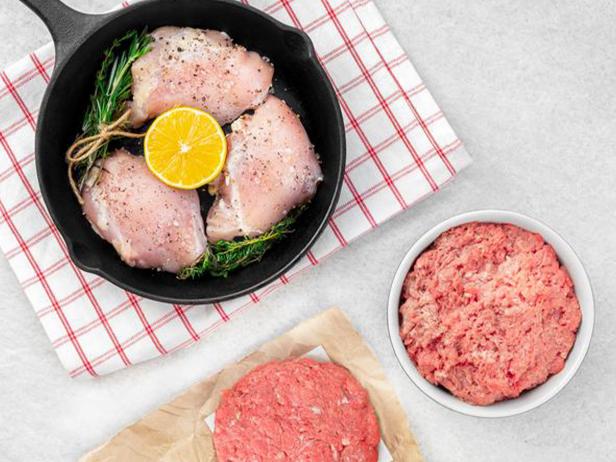
With the rise in popularity of meat delivery services, consumers now have the convenience of having high-quality cuts of meat delivered right to their doorstep. However, choosing the right meat delivery service can be a crucial decision to ensure you get the best value and quality for your money. 

Here are five important questions to ask your meat delivery service before making your selection:

  1. Where Does Your Meat Come From?

Knowing the source of your meat is essential for both ethical and health reasons. Ask the delivery service about the origin of their meat products. Reputable providers will be transparent about their sourcing, often highlighting partnerships with responsible and sustainable farms. 

  1. What Is the Quality and Freshness Guarantee?

A top-notch meat delivery service should stand behind the quality and freshness of their products. Inquire about their guarantee or return policy in case you receive meat that doesn’t meet your expectations. 

  1. How Is the Meat Packaged and Delivered?

Understanding the packaging and delivery process is crucial to ensure your meat arrives in optimal condition. Ask about the packaging materials used, whether they employ sustainable practices, and if the meat is shipped frozen or fresh. Proper packaging and cold-chain logistics are essential to maintain the integrity of your meat during transit.

  1. Can I Customize My Orders?

Every customer’s preference and need are unique. A great meat delivery service should offer the flexibility to customize your orders. Inquire whether you can select specific cuts, portion sizes, or meat types according to your dietary preferences and requirements. 

  1. What Are the Subscription Options and Pricing?

Understanding the pricing structure and subscription options is vital for budget-conscious consumers. Ask about subscription plans, discounts, and any hidden fees. Determine whether the service offers one-time purchases or subscription models that cater to your frequency and quantity preferences. 

Asking these five key questions when choosing a meat delivery service can help you make an informed. The answers to these questions will give you insight into the service’s transparency, quality, and convenience. By taking the time to research and communicate with the provider, you can ensure that your meat delivery service meets your expectations and provides you with delicious, high-quality meat products every time. So, don’t hesitate to ask these questions and embark on a rewarding culinary journey with a trusted meat delivery service.

To enjoy the best quality meat, order your meat from Papa Earth meat delivery.
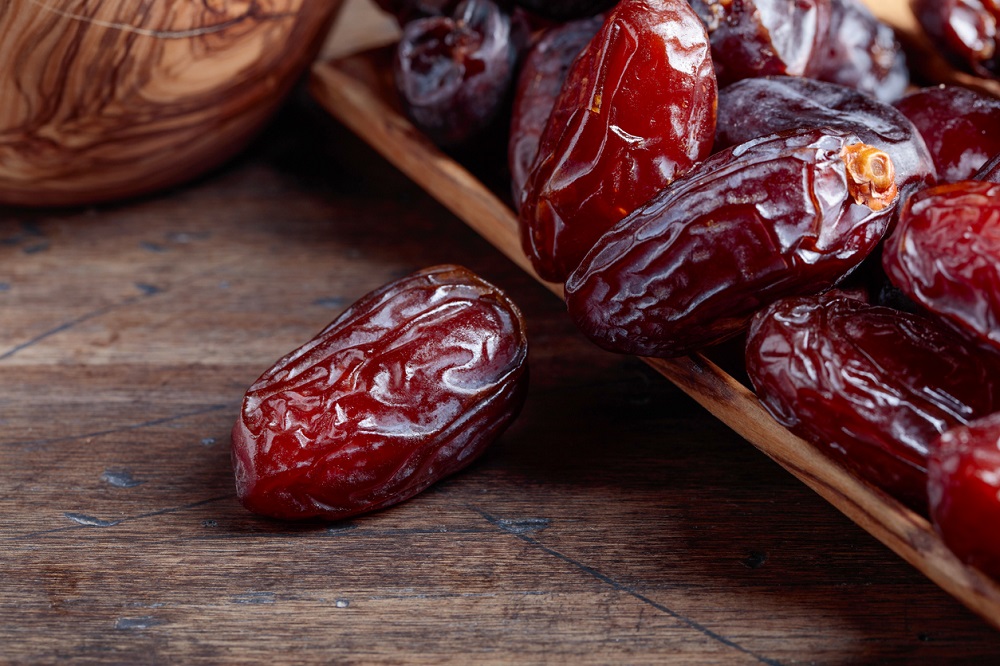
When satisfying your sweet tooth, few treats can compete with Medjool dates’ natural goodness and rich flavour. They are often called the ‘king of dates’ for their size and are enjoyed worldwide as a snack or dessert. But Medjool dates are much more than just tasty treats; they are a nutritional powerhouse with many health benefits that may surprise you. Let’s unravel the many health benefits of this sweet delight.

What Are Medjool Dates?

Let’s get a little background on what Medjool dates are. Medjool dates are a type of date fruit cultivated initially in Morocco. They’re known for their large size, sweet and rich flavour, and soft texture. Medjool dates are usually eaten fresh and are a staple in many Middle Eastern diets. They’re versatile food that can be consumed independently, stuffed with nuts or cheese, or used in various recipes.

Packed with Essential Nutrients

One of the main reasons Medjool dates are so beneficial to health is their unique nutrient content. A serving of Medjool dates (about two dates) provides:

  • Fibre: Medjool dates are an excellent source of dietary fibre, which aids in digestion and can help lower cholesterol levels.
  • Potassium: Medjool dates contain more potassium than bananas, aiding heart health and reducing the risk of stroke.
  • Magnesium: This essential mineral found in Medjool dates aids nerve and muscle function and bone health.
  • Vitamin B6: Medjool dates are a good source of this vitamin, vital for brain health and function.

A Natural Energy Booster

Are you feeling a little sluggish? Reach for a Medjool date! Medjool dates are a perfect pick-me-up, thanks to their high natural sugar content (fructose). This raw sugar is quickly converted into energy by your body, providing a healthy and effective energy boost.

An Aid to Digestive Health

One of Medjool dates’ most significant health benefits is their ability to aid digestion. Their high fibre content can help regulate bowel movements, prevent constipation, and maintain a healthy digestive tract.

May Help in Maintaining a Healthy Weight

Although high in sugar and calories, Medjool dates are also full of fibre, making them a satiating snack that can help curb cravings and prevent overeating. Therefore, in moderation, Medjool dates can fit into a healthy diet plan aimed at weight maintenance.

Bone Health

Medjool dates are rich in critical minerals that contribute to healthy bone density, including magnesium, calcium, and phosphorus. This makes them a great addition to the diet for those looking to prevent conditions like osteoporosis.

Natural Sweetener

Lastly, Medjool dates can be your sweet ally if you’re trying to cut back on processed sugars. Their natural sweetness and sticky texture make them an ideal natural sweetener. You can blend them into a paste and use it in baking as a sugar substitute.

Incorporating Medjool Dates into Your Diet

Now that you know the health benefits of Medjool dates, you might wonder how to incorporate them into your diet. Here are a few ideas:

  • As A Snack: Eat them straight out of the package for a quick and healthy snack.
  • In Smoothies: Blend them into your favourite smoothie for sweetness and nutrition.
  • In Baking: Replace sugar with Medjool date paste in your baking recipes.
  • Stuffed Dates: Fill them with nuts, cheese, or even cooked grains for a delicious and nutritious appetizer or snack.
  • In Salads: Chop them up and toss them in your favourite for sweetness.

Conclusion

The humble Medjool date is truly a gem of nature. It is sweet to taste, and its delightful texture is just the icing of its impressive health benefits. From being an excellent energy source to aiding digestion and bone health, the Medjool date is a food you’ll want to add to your regular diet.

Getting food tested is an essential part of food safety and quality management. Knowing what goes into food products protects consumers, ensures compliance with food safety regulations, and helps food producers adhere to standards. Understanding food testing can help you make informed decisions about the food you buy and serve in your home.

What is Food Testing?

Food testing is the process of analyzing food samples for contaminants, allergens, additives, nutrition content, and microbiological organisms. It ensures that foods are safe to eat and meet all applicable federal standards set by regulatory bodies such as the U.S. Food and Drug Administration (FDA) or European Union (EU). In addition, food testing helps food producers to monitor food quality, detect food fraud and protect their brands.

How is Food Tested?

Food testing typically involves a combination of physical, chemical, and biological methods. Physical tests may include color measurement, size determination, and moisture analysis. Chemical tests might involve analyzing for food additives or nutritional content. Biological tests look for foodborne pathogens like Salmonella or E. coli that can cause food-borne illness in humans. Most food testing laboratories will use advanced instruments and technology such as gas chromatography-mass spectrometry (GC-MS) or enzyme-linked immunosorbent assays (ELISA).

Who Conducts Food Testing?

Food testing is usually conducted by food testing laboratories, which employ food scientists and food safety experts. Food scientists use their scientific knowledge to analyze food samples for potential food safety hazards and quality attributes. Additionally, food safety experts are trained in food science, food regulations and microbiology; they are responsible for ensuring that food samples meet regulatory standards and protecting consumers from unsafe foods.

When Should I Get My Food Tested?

Food producers should test food regularly throughout the production process to ensure product safety and quality. For example, all incoming raw materials should be tested before being used in production; finished products should also be tested prior to release for sale or consumption. Testing is especially important for high-risk products such as dairy, seafood, processed meats or ready-to-eat food products.

How Can I Find a Food Testing Service?

It’s important to find a food testing service that you can rely on for accurate results and that meets your needs. Calibre Control is a trusted food testing provider, offering food safety and quality solutions ranging from raw material to finished product testing. Their experienced food safety experts help ensure compliance with food regulations and provide support throughout the food production process.

To Sum Up

Food testing is an essential part of food safety and quality management, helping protect consumers from unsafe foods and ensuring regulatory compliance. Comprehensive food testing services such as those offered by Calibre Control are necessary to ensure food safety, detect food fraud, protect brands, and monitor food quality.


For more information on food testing services, visit Calibre Control’s website today.


This article has been written to provide a comprehensive overview of food testing and why it is important. Food testing helps protect consumers from unsafe food products, detect food fraud, and ensure regulatory compliance. It should be conducted regularly throughout the food production process, preferably by an experienced food safety experts such as those offered by Calibre Control. To find out more about food testing services, please visit the Calibre Control website.