
Category

Food

Category

A small gathering needs enough food choice to welcome its guests, not enough to display an entire product range. Begin with the people coming and the kitchen you will use. Add a variety when it solves a particular need, then consider the cooking, serving and clearing that comes with it. Fewer well-planned options can make the evening easier to host.

Begin with the people rather than the product range

Ask who will eat and what you need to know about their preferences or requirements. This can be a brief conversation rather than an elaborate survey. A guest avoiding pork, a guest seeking a plant-based meal and a guest who simply prefers cheddar may lead to different decisions. Learn those distinctions before a colorful freezer display starts making the menu for you.

Consider what role the pierogies will play. A seated dinner with accompaniments asks different things of the host than a small starter before another meal. If the dumplings are the main component, each guest needs a suitable option in an amount planned from the package and the meal. A token alternative does not solve a guest’s need simply because it exists on the table.

Use the information to write the smallest workable menu. You may find that one filling suits everyone and leaves room for different optional toppings. Or two fillings may be necessary for the group you are inviting. Avoid deciding the number first and then looking for reasons to justify it.

Offer differences that matter to those guests

A second choice should have a clear audience. If some guests want peppers in their food and others do not, a jalapeño filling may serve that division. If the group wants a meatless dinner, adding a meat filling merely for variety may contribute nothing. The relevant question is who benefits from the extra option tonight.

A range such as Holy Perogy in Columbus contains full-size and mini formats as well as different fillings. Read those distinctions before treating every item as a separate menu requirement. The availability of several possibilities is useful for choosing; it does not obligate the host of a small gathering to present them all.

When everyone can comfortably eat the same filling, let accompaniments provide optional variation. A plain condiment on the side, herbs offered separately or a salad people can dress to taste may be enough. Check ingredients and guests’ needs as usual, but do not add another cooked main component just to make the table look more abundant.

Consider how a second choice changes service

Imagine the food reaching the table before you buy it. Two fillings need to stay identifiable, particularly if one contains meat or has an ingredient someone avoids. Decide which dish will hold each one and where it will fit. A second variety can occupy more serving space than you expect once its utensil and any accompanying condiment are included.

A small table can accommodate choice if the host serves individual plates or offers dishes in a sensible sequence. It may not accommodate several large platters at once. Choose the approach that suits your seating instead of trying to recreate a buffet on a table intended for a few people. Guests need room to eat as well as room to see the food.

Think about guests who want different amounts of each filling. A rigid arrangement in which every plate receives an identical assortment may defeat the point of offering choices. Ask before serving, or make the options accessible in clearly described dishes. Use real appetites and package information to plan quantities rather than assigning the same dumpling count to every adult.

If people will arrive at different times, decide whether dinner has a shared start or whether food will be prepared in separate stages. More varieties can complicate that decision. Do not assume that an attractive platter can simply wait indefinitely for the last guest; holding and storage need an appropriate plan for the actual food.

Account for the work each choice creates

Count the tasks, not just the bags. Each variety may need its instructions checked, its preparation managed, its serving dish identified and its remaining food stored correctly. Some steps can overlap, while others compete for the same equipment. Read the packages before deciding that several preparations will be effortless because the products are frozen.

The limiting resource may be your attention rather than the number of burners. If one preparation requires you to watch the stove while another task needs you elsewhere, adding a willing helper may work. If no one can take responsibility for the extra task, simplify the menu. An unused burner does not help when the cook cannot reasonably supervise another thing.

Consider the guest experience of that workload. A host who repeatedly leaves the conversation to manage another batch may prefer a narrower menu next time. This is not a failure of hospitality. Being present is one of the reasons to match the food plan to the size and informality of the gathering.

Leave room for a future dinner

Save the varieties you are curious about for another occasion. A note with the product name and a possible side dish preserves the idea without adding work tonight. You can plan a future dinner around that filling when it has a clear role rather than introducing it as the fourth option in a crowded meal.

After the gathering, consider what people actually chose and where service felt awkward. Perhaps two choices worked well, or perhaps everyone preferred the same one and the extra preparation had little purpose. Use that observation for your own next gathering. A single evening’s preferences need not become a verdict on the whole range.

The final menu should be easy to explain: this filling suits the group, this other choice addresses a particular need, and these accompaniments complete the meal. If an item has no such reason, leave it for another night. A small gathering has room for generous hosting without an exhaustive selection.
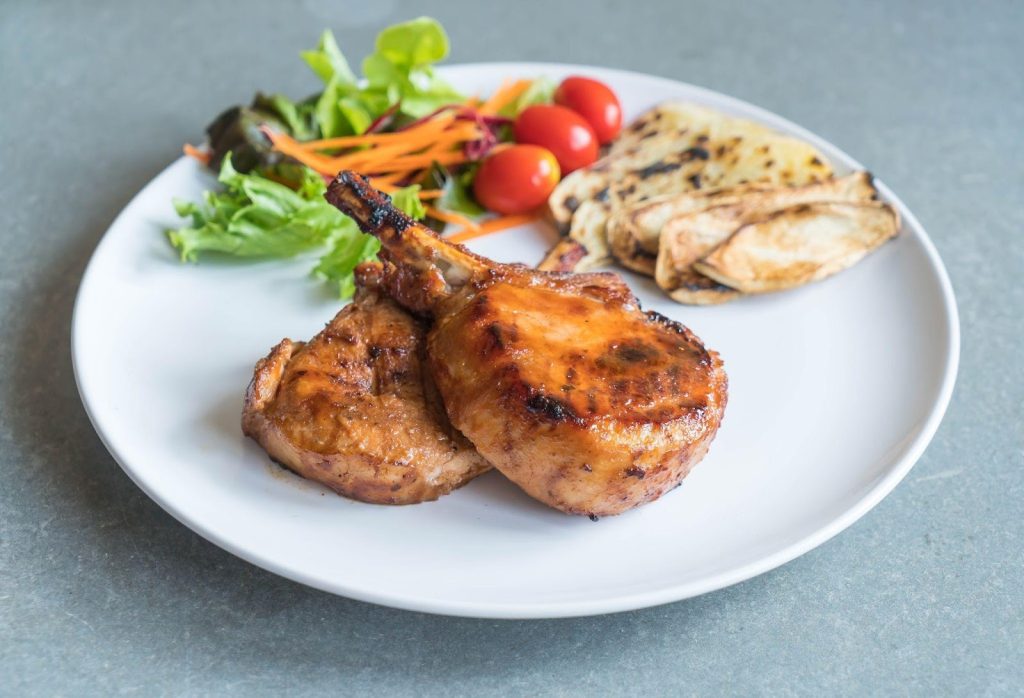
To many people, meal prep is about saving time and building consistency. In a city that runs on speed and convenience, having meals packed and ready can make all the difference. For those looking to boost their protein intake, Singapore offers plenty of tasty, practical options. From local hawker stalls to supermarket shelves, there are plenty of ways to find and prepare high-protein foods in Singapore that fit your goals and schedule.

Planning Protein the Smart Way

Good meal prep starts with balance. The goal is to have a variety of proteins across your meals without spending your entire weekend in the kitchen. Portioning in advance helps you stay on track, while variety keeps boredom off the plate. Singapore’s wide access to poultry, seafood, and plant-based sources means meal prep can be as creative as it is convenient. With a little planning, your week can taste as good as it looks.

Those searching for high-protein foods in Singapore will find plenty of options in supermarkets and markets alike. Chicken breast, tofu, tempeh, fish, and eggs are common, affordable, and easy to cook in batches. They also pair well with rice, noodles, or fresh vegetables, creating balanced meals without fuss. Local wet markets sell fresh seafood daily, while grocery chains stock lean meats and pre-packed tofu that fit perfectly into a Sunday prep session.

Breakfast That Powers You Through

The first meal of the day sets the tone. Overnight oats with Greek yoghurt, hard-boiled eggs, or cottage cheese toast can all fit into a busy morning routine. For local flair, pair steamed buns or prata with eggs or tempeh for a protein upgrade. Many cafes now serve meals with added protein options, giving Singaporeans more ways to start strong. Those who rely on grab-and-go meals can store breakfast jars in the fridge for three days with minimal effort.

To get more creative with high-protein foods in Singapore, try prepping breakfast bowls with quinoa or brown rice. They last well, taste good cold or hot, and provide slow-burning energy. Toss in soybeans, grilled chicken, or salmon flakes to pack in flavour and nutrients. Meal prep containers help separate wet and dry ingredients so you can mix them fresh before eating.

Lunch Boxes That Deliver

Lunch often hits during the workday rush, but prepped meals can save you from fast food temptation. A good combination includes lean protein, complex carbs, and fibre. Grilled fish with sweet potatoes, chicken breast with stir-fried vegetables, or lentils with rice are easy to prepare in bulk. With proper storage, cooked meals can last up to four days in the fridge.

Meal prep also lets you play with sauces and flavours. Teriyaki glaze, sambal, or sesame dressings can transform simple dishes into exciting lunches. For instance, one batch of grilled chicken can become teriyaki rice bowls, spicy wraps, or salad toppings. This flexibility makes meal prep sustainable, not repetitive.

Those exploring high-protein foods in Singapore will appreciate the growing number of plant-based and alternative options. Supermarkets now stock chickpea pasta, lentil burgers, and soy-based snacks. These fit well into vegetarian or mixed diets, offering protein without relying entirely on meat.

ALSO READ: Top 10 Places to Get High-Protein Vegetarian Food Near You in Singapore

Dinner That Ends the Day Right

Dinner does not have to be heavy to be satisfying. A bowl of soba noodles with tofu, salmon with roasted vegetables, or a chickpea curry with brown rice can close your day on a balanced note. Batch cooking soups or stews also helps for nights when you crave comfort. With insulated containers or airtight jars, portions can stay fresh even after a few days.

Restaurants and cafes across Singapore are also catching on to the trend. Menus now include clearer nutritional information and protein-focused options. This makes it easier to choose meals that align with your prep goals when dining out. Many diners even combine home prep with occasional takeout, keeping variety and convenience in check.

For those focused on long-term fitness, consistent protein intake supports recovery and strength. But it also makes everyday eating more enjoyable. You can plan meals that taste great, travel well, and give you the nutrients your body needs to keep up with the pace of Singapore life.

Staying Fresh and Motivated

Consistency is the backbone of meal prep. Rotate ingredients weekly to avoid burnout and to keep flavours fresh. Simple additions like herbs, lime, or garlic change the profile of a dish without adding effort. Freezing some meals can help spread them out, especially if you travel often. Singapore’s humidity can affect storage, so airtight containers and refrigeration are essential.

You need to have smart habits and relatively strict rules when it comes to meal prep. Whether you love chicken satay, tofu bowls, or seafood soups, there is always a way to make them fit your nutritional goals. By blending local ingredients with easy planning, eating well becomes simple, not stressful. Visit Taste of SG to get inspired by more ideas for high protein meals and local favourites that keep you energised all week.

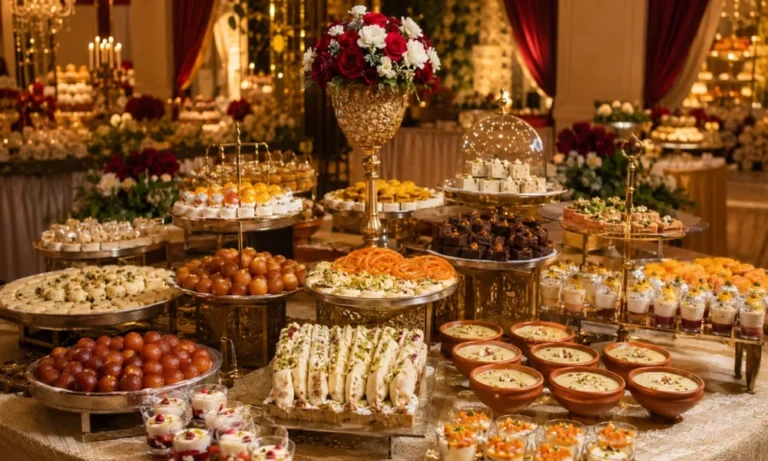
Small gatherings often feel more personal, filled with laughter, conversation, and the comfort of familiar faces. Desserts play a big part in creating that warm atmosphere, offering guests something sweet to enjoy together. With dessert catering, hosts can serve professional-quality treats without the stress of preparation. It adds polish to small events while keeping the mood relaxed. Afternoon tea caterers make this even easier by combining charm, convenience, and delicious presentation in one thoughtful service.

The Charm of Small Gatherings

Small events allow hosts to focus on detail. Instead of worrying about large menus, they can invest in quality treats that reflect personal taste. Desserts often set the tone for these gatherings, becoming both conversation starters and photo-worthy moments. A balanced dessert table leaves guests satisfied without overwhelming them.

With professional bakers handling the setup, presentation, and portions, hosts can relax and enjoy the celebration. This service also ensures freshness, with every pastry, tart, and cake baked to perfection before serving.

Why Dessert Catering Works

The beauty of professional dessert service lies in its adaptability. It works well for corporate meetings, afternoon teas, and private parties alike. A thoughtfully planned menu balances taste, texture, and presentation. Only towards the end of planning does dessert catering enter the picture, offering guests a variety that satisfies every palate from chocolate lovers to fruit enthusiasts.

Professionals design dessert tables with precision, combining aesthetic appeal with function. Everything from colour coordination to layout matters. The desserts themselves become part of the decor, drawing attention while satisfying cravings. It is a blend of creativity and planning that ensures a sweet finish to any event.

A Touch of Sophistication with Afternoon Teas

An afternoon tea setup always carries a sense of calm and charm. It invites relaxed conversation while guests enjoy small bites that feel indulgent yet light. Afternoon tea caterers create refined spreads that blend savoury and sweet selections. Mini sandwiches, scones, and petite cakes take the spotlight, paired with fragrant teas and freshly brewed coffee.

For smaller celebrations, afternoon tea caterers design menus suited to each occasion. Whether it is a bridal shower or a business meeting, they pay attention to presentation and balance. The combination of taste, texture, and convenience turns an ordinary tea session into a delightful gathering.

Convenience Meets Quality

Instead of juggling multiple vendors or baking from scratch, clients can rely on one dedicated team for everything. Dessert catering handles the arrangement to service, with each step being handled smoothly. Consistency in taste and presentation stays steady, no matter the size of the event.

When working with afternoon tea caterers or dessert specialists, presentation becomes part of the experience. Every piece is arranged with purpose, matching the event’s tone and style. Guests can serve themselves comfortably, keeping the mood inviting and organised.

Personal Touches and Custom Options

Dessert catering also saves time and effort. Instead of baking at home or coordinating multiple vendors, clients can rely on one team to handle everything. From setup to service, the process is seamless. The consistency in taste and quality remains intact regardless of event size.

With afternoon tea caterers or dessert professionals, presentation is key. Every element is arranged with care, creating a display that complements the event’s style. Guests can easily serve themselves, keeping the atmosphere relaxed yet organised.

The Lasting Impression of Sweet Moments

The best part of a gathering often comes at dessert. Sharing sweets brings people together in a way that feels natural and joyful. The sight of a well-arranged table instantly lifts the atmosphere, while the first bite seals the memory. Every detail matters, from the colour of frosting to the scent of freshly baked pastries.

It transforms ordinary occasions into memorable ones, giving hosts and guests alike something to talk about long after the event ends. Dessert catering captures this essence beautifully. With the right selection, a dessert table becomes both centrepiece and conversation piece. Contact Swee Heng Bakery to book dessert catering or work with experienced afternoon tea caterers who bring creativity, flavour, and convenience to every celebration.