Category

Health

Category

Cognitive Behavioral Therapy (CBT) has arisen as an exceptionally powerful therapeutic methodology for managing side effects of anxiety and depression. By addressing negative idea examples and ways of behaving, therapist in NJ  engages individuals to foster better coping procedures and further develop their in general mental prosperity.

The Cognitive Part:

CBT begins by helping individuals perceive and challenge negative idea designs related with anxiety and depression. Through cognitive restructuring, clients figure out how to recognize unreasonable convictions and supplant them with additional reasonable and sensible considerations. By reframing pessimistic interpretations of circumstances, individuals can lessen feelings of sadness and cynicism.

The Behavioral Part:

As well as addressing cognitive bends, CBT likewise centers around modifying maladaptive ways of behaving that add to anxiety and depression. Behavioral methods, for example, openness therapy and behavioral actuation assist individuals with confronting their feelings of trepidation and take part in exercises that bring them delight and satisfaction. By bit by bit exposing themselves to anxiety-provoking circumstances and monitoring their responses, clients can figure out how to endure distress and regain a feeling of command over their lives.

Developing Coping Abilities:

One of the critical advantages of CBT is accentuation on teaching functional coping abilities can be applied, in actuality, circumstances. Clients learn unwinding strategies, like profound breathing and moderate muscle unwinding, to diminish physiological excitement and advance a feeling of quiet. They likewise get critical thinking abilities to really address stressors and life challenges, empowering them to explore tough spots with certainty and strength.

Promoting Behavioral Actuation:

CBT urges individuals to participate in exercises that bring them euphoria and fulfillment, in any event, when they may not feel propelled to do as such. By scheduling pleasurable exercises and setting reachable objectives, clients bit by bit increase their degree of action and regain a feeling of direction in their lives. This behavioral initiation balances feelings of laziness and withdrawal ordinarily connected with depression.

Cognitive Behavioral therapist in NJ offers a thorough way to deal with managing side effects of anxiety and depression by addressing both cognitive twists and maladaptive ways of behaving. By challenging negative idea designs, developing coping abilities, and promoting behavioral enactment, CBT enables individuals to assume command over their psychological wellness and live additional fulfilling lives.

In recent years, there has been growing interest in integrating mindfulness and meditation techniques with massage therapy to enhance therapeutic outcomes. This policy and practice review examines the implications of combining mindfulness and meditation practices with 1인샵 Swedish Massage, focusing on considerations for policy development and practical implementation in massage therapy settings.

Policy Considerations:

  • Regulatory Standards:

Regulatory bodies governing massage therapy should consider incorporating guidelines or standards related to the integration of mindfulness and meditation techniques into practice. This may involve updating licensure requirements, continuing education curricula, and scope of practice regulations to reflect the growing body of evidence supporting the effectiveness of combined interventions.

  • Informed Consent:

Massage therapists should obtain informed consent from clients prior to integrating mindfulness or meditation techniques into treatment sessions. This involves discussing the potential benefits, risks, and alternatives of incorporating these practices and obtaining the client’s consent to proceed.

  • Ethical Considerations:

Therapists should adhere to ethical principles, such as respecting client autonomy, confidentiality, and cultural sensitivity, when integrating mindfulness and meditation techniques into massage therapy. This includes honoring clients’ preferences, beliefs, and boundaries throughout the treatment process.

Practice Implications:

  1. Training and Education:

Massage therapists should receive training and education on the principles and techniques of mindfulness and meditation to effectively integrate these practices into their massage therapy sessions. Continuing education programs and workshops can provide therapists with the knowledge and skills necessary to incorporate mindfulness-based interventions into their practice.

  1. Intervention Protocols:

Therapists should develop standardized intervention protocols for integrating mindfulness and meditation techniques with 1-Person Shop Swedish Massage. This may involve establishing clear guidelines for selecting appropriate practices, integrating them into massage sessions, and evaluating their effectiveness in achieving therapeutic goals.

  1. Client-Centered Approach:

Practitioners should adopt a client-centered approach when integrating mindfulness and meditation techniques into massage therapy, tailoring interventions to meet the individual needs and preferences of each client. This involves conducting thorough assessments, engaging in collaborative goal-setting, and adjusting interventions based on client feedback.

Conclusion:

Integrating mindfulness and meditation techniques with 1인샵 Swedish Massage holds promise for enhancing relaxation, promoting stress reduction, and fostering a deeper mind-body connection in massage therapy settings. Policy development and practice guidelines should support the ethical and effective integration of these practices, while ongoing research can contribute to our understanding of their clinical efficacy and optimal implementation strategies. By adopting a client-centered approach and adhering to ethical principles, massage therapists can harness the therapeutic potential of mindfulness-based interventions to promote holistic well-being and enhance the massage therapy experience.

Your smile is the first thing that people notice about you. A healthy, beautiful smile imparts a spark to your personality. However, sometimes you may suffer from tooth discoloration for several reasons. You may feel embarrassed to flaunt your smile. But fret not! Modern dentistry has been evolving tremendously using cutting-edge innovation and technology. 

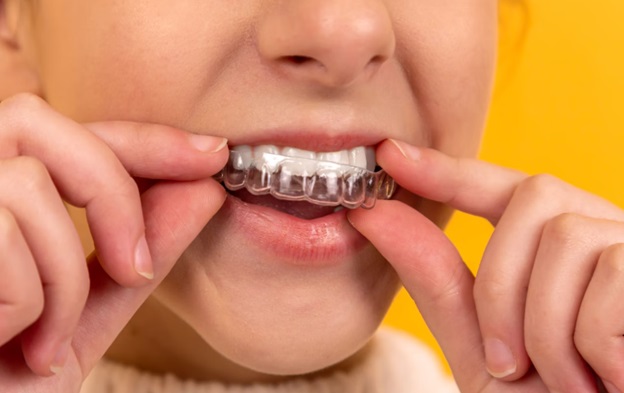
The Dental Clinic Weston, MA offers a compassionate solution for teeth discoloration in the form of at-home teeth whitening trays that offer you effective, and long-lasting results.  Here is an overview of the at-home teeth whitening procedure. So read on!

What do you understand by teeth whitening?

Teeth whitening or bleaching is a common dental procedure that can aesthetically enhance the way your teeth look. It involves lightening your teeth to 2 to 3 shades lighter using concentrated chemical agents. Teeth whitening systems come in two types, which are in-office and at-home bleaching procedures. The latter teeth whitening system is increasing in popularity due to ease and convenience.

What is the principle behind the teeth whitening system?

Teeth whitening systems consist of an active bleaching agent such as carbamide peroxide or hydrogen peroxide. This active ingredient usually breaks down into tiny oxygen bubbles when in contact with water. These oxygen bubbles readily eliminate stains from the tooth surface. 

Why is teeth whitening recommended?

Your dentist may recommend teeth whitening for:

Intrinsic stains

  • This is an internal discoloration of the tooth, usually due to the natural aging process. The enamel surface wears away, exposing the underlying yellowish dentin. 
  • Example- Fluorosis (excess fluoridation during tooth development), or enamel hypoplasia

Extrinsic stains 

  • This is external discoloration of the tooth surface due to multiple reasons, such as: 
    • High-pigmented beverages like coffee, red wine, tea, and cola. 
    • Smoking or tobacco use
    • Medications like tetracycline

How are the at-home teeth whitening trays fabricated and used?

At-home teeth whitening systems are simple and convenient, which is explained in the following steps:

Fabrication of the plastic trays

  • A full mouth impression will be recorded and sent to the laboratory for fabricating thin and clear trays. 

Using the trays at home

  • Brush your teeth before you use the trays to remove any food debris.
  • Apply a sufficient amount of refrigerated active whitening gel on the trays and place them inside your mouth.
  • You will be advised to use the trays twice a day for 30 minutes.
  • However, overnight use is also suggested depending on the degree of staining and desired level of whitening.

Virtually, when you opt for a teeth-whitening solution, you can experience moderate to substantial improvement in the brightness and whiteness of your smile.