
Category

Education

Category

You want progress that feels real, not just another certificate on paper. In today’s fast-changing workplace, the way you learn can define how far you go. The SkillsFuture Credit helps you take that next step by funding courses that build valuable, in-demand skills. This guide shows you how to use your credits wisely, plan your learning path, and turn what you learn into visible results.

Own Your Advantage: Understand What Your Credit Can Do

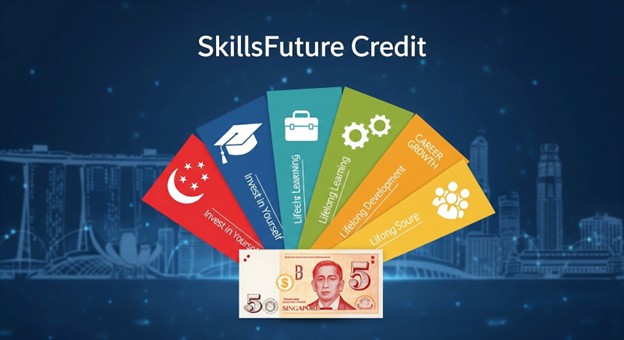
Before signing up for a course, take a moment to understand how your SkillsFuture Credit works. Every Singaporean aged 25 and above receives an opening balance with regular top-ups to support lifelong learning. You can use these funds on a wide range of SkillsFuture eligible courses in areas such as technology, leadership, communication, and design.

Think of your credits as an investment in your growth. Check your available balance and explore the LXP app to see what fits your schedule and career goals. You can compare course types, read reviews, and track progress easily.

It helps to set one clear outcome for the next few months. Maybe it’s earning a certification, improving digital skills, or mastering a new tool. A defined goal keeps your choices focused and makes it easier to measure success.

Aim Higher: Choose Skills That Shape Your Future

Your direction matters as much as your effort. Focus on skills that open doors and help you stay relevant in your field. Right now, areas such as data analytics, artificial intelligence, cybersecurity, and sustainability are driving new opportunities. Interpersonal skills like communication and collaboration are also becoming more valuable as teams grow more diverse.

Start by reviewing your current role and thinking about where you’d like to be next. Talk with your manager about growth paths, or browse industry reports to see what employers are seeking. Narrow down two key skills to build this quarter: one that deepens your technical ability and one that strengthens your soft skills.

When searching through the SkillsFuture portal or LXP app, look for courses that have practical outcomes. A hands-on project, exam, or certification gives you proof of progress and confidence to showcase your abilities.

Pick Courses That Inspire Action

You learn faster when you’re actively involved. Choose programs that help you apply what you study, not just watch and listen.

  • Short workshops give you quick wins and practical knowledge.
  • Online micro-courses offer flexibility to learn anytime.
  • Professional certificates build your credibility.
  • Hybrid programs combine live coaching with self-paced learning.

Review the syllabus before enrolling. Look for interactive lessons, exercises, or discussions that keep you engaged. If a course includes a project or case study, you’ll retain more and see faster improvement.

Using the LXP app can also make a difference. You can learn during short breaks, on your commute, or while waiting for meetings to start. Every few minutes spent learning adds up over time.

Take advantage of SkillsFuture course funding so you can focus fully on developing your abilities instead of worrying about course fees.

Build a Learning Routine That Lasts

Consistency is what turns learning into progress. Create a simple structure that fits into your daily rhythm.

  1. Set short, regular sessions. Even 20 to 30 minutes a day keeps your mind engaged.
  2. Create weekly targets. Finish one module, complete one quiz, or apply one new skill.
  3. Track your learning. Use reminders or progress charts to stay accountable.
  4. Reward yourself. Celebrate each milestone to keep motivation high.

If you’re working full-time, check if your company offers a government training subsidy in Singapore. When combined with SkillsFuture, you can stretch your credits further and cover more advanced programs.

A routine that fits your lifestyle will make learning sustainable. You’ll make steady progress without feeling overwhelmed.

Turn Learning Into Results That Matter

The best way to remember what you learn is to put it into action. Apply your lessons at work, in side projects, or even in daily tasks.

  • If you’re taking a data course, try improving a report with new insights.
  • If you’re learning communication, use the techniques in your next presentation.
  • If you’re studying automation, create a workflow that saves time for your team.

Share your outcomes with your manager or team. It highlights your initiative and helps your employer see your new value. You can also claim SkillsFuture Credit online through the official portal to register easily and start your chosen course without delay.

Applying new knowledge immediately makes learning rewarding and helps you see results faster.

Expand Your Edge with Continuous Learning

Learning doesn’t stop when the course ends. Surround your training with other resources that help you grow. Listen to podcasts, watch short tutorials, or read industry newsletters to stay updated. These small habits keep your skills sharp and broaden your perspective.

Join learning communities where professionals exchange ideas and tips. If you can, take part in small projects or mentorships that let you practise your new skills. This is how you deepen understanding and build long-term confidence in professional upskilling in Singapore.

Keep your notes organised in one place. Reflecting on what you’ve learned helps you spot patterns and find new learning goals.

Conclusion: Your Learning Journey Starts Now

You don’t have to rush or learn everything at once. What matters is staying consistent and intentional. By using your SkillsFuture Credit wisely, you’ll gain skills that improve your career and strengthen your future opportunities.

Your credits are more than a financial benefit. They represent a commitment to growth, progress, and lifelong learning. The sooner you start, the faster you’ll see the results of your effort in your work and everyday life.

When you manage people, you quickly realise something important. Skills and systems help, but your emotional presence is what your team remembers the most. That is exactly where emotional intelligence training becomes a meaningful turning point for any manager who wants trust, respect, and real stability in the workplace. In many organisations today, workplace emotional skills development is now seen as just as important as technical knowledge because teams want leaders who understand how people think and feel.

In this guide, you’ll explore training ideas that feel practical and relatable. You’ll see how you can understand yourself better, connect with your team, and respond to tough moments with more calm and confidence. Your leadership style shapes the way people feel, and emotional intelligence helps you bring out the best in them every day.

Are You Leading Your Team Or Just Managing Tasks?

You might be hitting targets and clearing your checklist, yet your team could still feel unheard. This happens when managers focus on tasks instead of emotions. Your leadership becomes far more influential when you understand how your reactions shape the environment your people work in.

By paying closer attention to your tone, expressions, and pacing, you start leading with greater intention. Your team feels safer raising ideas, admitting mistakes, and asking for support. As trust grows, people perform better because they feel valued, not watched.

A helpful activity here is a guided reflection workshop. You walk through recent team situations, look at how you responded, and explore what you might change next time. This builds your ability to pause and choose thoughtful actions instead of reacting on automatic pilot.

What Training Helps You Understand Your Own Triggers And Emotions?

Every manager carries their own stress points into conversations. When you are unaware of these triggers, they quietly influence your reactions. Self-awareness training helps you understand these patterns so you can respond with more steadiness and fairness. Many organisations now include leadership emotional awareness training to support this growth.

A simple place to start is emotional journaling. For a few weeks, you record moments where you felt frustrated, proud, disappointed, or energised. You describe what happened and how you responded. Over time, emotional patterns become easier to see.

Assessments like personality or values tests can help you understand how you communicate and how you make decisions. This is not about putting yourself in a box. It is about seeing the emotional lens you use each day so you can adjust where needed.

You can also try emotional trigger mapping. You list stressful situations and create a small “calm plan” for each one. These might include pausing before replying, asking gentle clarifying questions, or taking a short breathing break. With practice, you react less and respond more.

How Can You Turn Empathy Into Your Strongest Leadership Advantage?

Empathy has become one of the most powerful tools for modern leaders. When your team feels understood, they give you their best. Strengthening managerial empathy and communication techniques helps you approach conversations with warmth, patience, and genuine interest in your people.

Active listening labs are an effective method. You practise listening without interrupting and summarising what you heard. It feels simple, yet it strengthens your ability to connect with others.

Role play is another valuable activity. You step into the shoes of an overwhelmed employee, then switch roles and respond as the manager. This helps you see how tone and wording shape emotions during difficult moments.

Shadowing is also helpful. When you observe the real challenges your team faces each day, your decisions feel more grounded because they come from what you see, not assumptions.

Can You Handle Tough Conversations Without Breaking Trust?

Every manager eventually faces difficult conversations. It might involve performance concerns, misunderstandings, or conflict between employees. The way you approach these moments shapes whether people trust you. Training that strengthens team dynamics and EQ strategies prepares you to handle challenges with calmness and care.

One effective activity is the two-chair method. You sit in one chair and express your concerns as the manager. Then you switch chairs and respond as the employee, sharing their emotional state and their pressures. This helps you stay balanced during moments when emotions run high.

Guided feedback scripts also help. These tools show you how to talk about behaviour without hurting the person behind it. You learn how to explain impact, ask for perspective, and move together toward solutions.

Cooling-off strategies can also protect relationships. Simple habits like stepping outside for a minute, requesting a short pause, or agreeing to revisit the topic after some time clear the path for more thoughtful conversations.

How Do You Make Emotional Intelligence A Daily Habit As A Manager?

Real growth happens when emotional intelligence becomes part of your daily decisions. This steady practice supports building resilient and collaborative teams who feel guided instead of pressured.

You can begin with emotional check-ins during meetings. Asking your team for one word that reflects how they feel helps you understand their energy before diving into tasks. This builds emotional awareness for everyone.

Reading the room is another simple but powerful habit. You take a moment to observe tone, posture, and energy before deciding how to guide the meeting or conversation. These small adjustments help your team feel seen and supported.

Structured programmes and coaching sessions help you keep growing. When you practise EQ skills regularly, they become natural habits.

You can deepen this growth by asking your team for feedback. Questions like “How can I support you better?” show your humility and your willingness to grow. This builds long-term trust faster than any technical skill ever could.

Conclusion

Emotional intelligence training shapes the way you communicate, connect, and care for your team. If you want to grow into the kind of leader people admire and trust, now is the perfect time to strengthen your emotional awareness and lead with more heart. Start your emotional intelligence training with NTUC LearningHub today.


You want to grow in your career, but your time and energy are already stretched. Between work, family, and personal responsibilities, learning can feel like something you’ll get to someday. Many adults feel the same way, which is why more people are exploring flexible options like microlearning to see what fits their goals and their real lives. In this guide, you’ll learn how different study formats support your progress, your confidence, and your long-term development so you can choose the path that matches you best.

Why Does Microlearning Feel Like the Spark You’ve Been Missing?

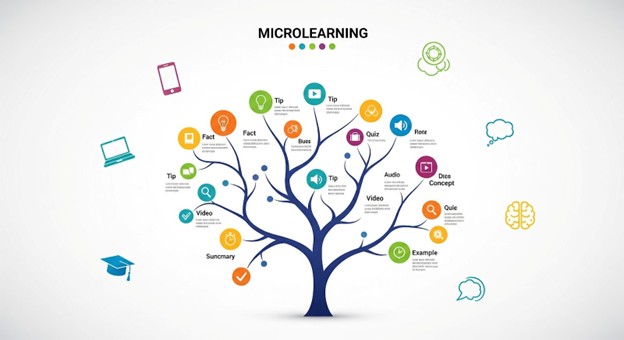
It’s easy to lose interest when lessons take hours. Short sessions lift that weight by breaking learning into simple, focused steps. You get short learning modules for adults that help you absorb new ideas without feeling overwhelmed. Each session feels achievable, and that sense of progress pushes you forward.

Picture this. You’re waiting for your next meeting or sitting on the train. You open your phone, finish a small lesson, and walk away with something that helps you today. These bite-sized online training lessons give you quick wins that make you feel productive, even on a packed schedule.

This style blends into your day instead of taking over your time. You learn at your own pace and in moments that feel natural. With a smooth mobile microlearning experience, you gain new skills in minutes and feel proud of every step you take.

Can Long Courses Give You the Deep Growth You Crave?

Sometimes you want more than simple steps. You want a full learning path that helps you understand a subject in stronger detail. Long courses guide you through a structured plan that supports deeper study and long-term mastery.

When you commit to a long program, you give yourself time to grow in a steady way. You follow a clear path, build on what you learn, and take on assignments that stretch your thinking. This format works well when you’re preparing for larger responsibilities or want to move toward a higher role.

You also get support from instructors and access to more detailed material. This helps you work through ideas at a pace that feels controlled and purposeful. Long programs fit well with flexible workplace learning routines, giving you structure without taking away the ability to adjust your schedule when needed.

Which Learning Style Fits the Life You’re Living Right Now?

The best learning path is the one that supports your daily reality. If your workdays shift often or your responsibilities pull you in different directions, short sessions may feel easier to maintain. You can pick up a lesson, learn something useful, and return to your tasks with more confidence.

Short lessons also help when you need new skills on the spot. They support rapid digital skills development, which is helpful when your job requires quick adjustments or new knowledge right away. You learn what you need, use it immediately, and stay ready for what comes next.

If you’re preparing for a major change in your career or working toward a certification, long courses may feel more suitable. You follow a step-by-step journey, set aside dedicated time, and move through lessons with a clear purpose in mind. This depth supports goals that require stronger foundations and steady progress.

There’s no single right choice. The right style fits your life, respects your time, and supports the growth you want.

How Do These Methods Shape the Way You Show Up at Work Every Day?

The way you learn influences the way you work. Short lessons help you apply skills right after you learn them, giving you a sense of strength in everyday tasks. You feel prepared, capable, and more confident in the moments that matter.

These small steps also help you build a steady learning rhythm. Over time, this rhythm changes how you see yourself. You’re someone who grows, even during busy weeks. This shift supports your long-term development and helps you stay grounded.

Long courses impact you differently. They give you a strong sense of achievement when you complete them. You finish a structured journey and gain skills that help you take on bigger tasks. This sense of progress improves how you think, decide, and lead.

This section is where you see how microlearning supports continuous upskilling methods, helping you stay ready for new opportunities without disrupting your routine.

Which Path Helps You Feel Stronger, Smarter, and Ready for More?

You deserve a learning path that supports your energy instead of draining it. Short sessions give you quick progress and encourage you to keep going, even when your schedule feels tight. Each lesson builds momentum and strengthens your confidence.

Long courses give you a deeper sense of accomplishment. Completing a full program shows you how far you can go when you commit to something meaningful. That story becomes part of your professional identity and can lead to bigger roles or new opportunities.

You can choose one path or blend both. You might start with short lessons, then move to deeper training when you’re ready. You might also use short sessions to support a long course. Your learning journey is yours to shape, and each step brings you closer to the career you want.

Conclusion: Which One Should You Choose for Your Career?

Both options bring value, and both can guide you toward your goals. Short sessions fit easily into a busy schedule and keep your progress steady, while long courses help you build a stronger foundation for larger ambitions. The right choice is the one that supports your pace, your goals, and your well-being. When chosen with intention, microlearning and long courses can work together to help you grow with confidence and purpose.

Start building your future today with microlearning for steady, meaningful progress.