Category

Education

Category
Children thrive when given the right spaces to move, explore and test their limits. Parents often hear mixed advice about what structured movement means for young learners, leaving them unsure of its real value. That is where gymnasium classes come in. Far from being just a chance to burn off energy, they nurture coordination, resilience and teamwork in ways that shape daily life. Here are the reasons some familiar assumptions about children’s activity don’t hold up, and why these classes deserve a second look.

1. It’s not only about physical fitness

Many assume that these classes focus purely on running, jumping and stretching. In reality, these sessions introduce problem-solving, sequencing and memory work. A child remembering how to climb, roll and land safely is also learning order, attention and discipline.

2. They’re not too advanced for younger children

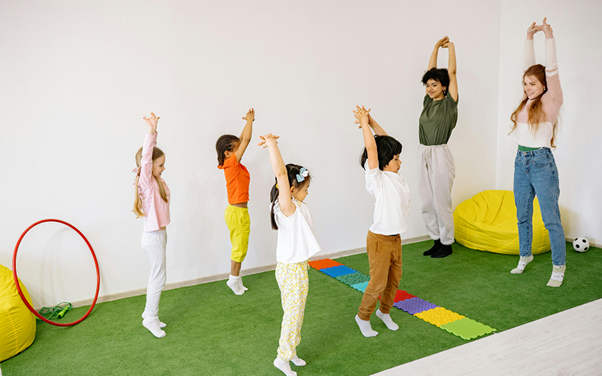
A frequent concern is that structured movement is beyond the reach of preschoolers. The truth is, lesson structures are carefully scaled. Gymnastics lesson plans for preschool use short bursts, imaginative play and fun themes to guide children through safe, age-appropriate exercises. A child pretending to be a frog hopping on soft mats is not just playing but also building leg strength and balance.

3. They don’t make children overly competitive

Parents sometimes fear early group activities pressure children to compete. Properly planned classes focus on cooperation, sharing equipment and cheering gymnastic mates on. Instead of creating rivalry, they often teach empathy and understanding, skills that children carry into school settings.

4. The equipment isn’t risky when used correctly

Seeing bars, beams and padded blocks can look intimidating. Yet these are specifically designed with safety in mind. Coaches introduce one element at a time, ensuring children feel secure and confident. The padded floors and spotter support reduce risks, helping kids learn how to fall safely rather than fear movement.

5. Attention spans are not a barrier

Some believe young children simply cannot focus on structured sessions. Preschool gymnastics lesson plans address this by weaving stories and games into the activities. A warm-up might involve pretending to sail a boat, where stretching becomes reaching for the sail and balance work becomes “walking the plank.” Engagement stays high when imagination leads.

6. It’s not a substitute for outdoor play

Parents may think gymnasium classes take children away from the fresh air they need. The reality is that indoor classes complement, not replace, outdoor activities. They allow safe practice during rainy days, while giving children the muscle control that translates to climbing playground structures more confidently.

7. The benefits are not only short-term

Some expect the results of structured activity to vanish after the class ends. On the contrary, consistent routines instil lifelong habits. A child learning controlled breathing in a balance pose is building early mindfulness skills that can ease stress in later school years.

8. Teachers aren’t drill sergeants

It is easy to picture instructors pushing children too hard, but gymnasium coaches are usually trained in early childhood development. They know how to encourage rather than command. Sessions are centred on praising, moderate correction, and celebrating minor accomplishments such as landing a leap with both feet together.

9. Flexibility matters more than perfection

Many parents think children must follow exact rules to benefit. Yet the beauty of preschool gymnastics lesson plans is their adaptability. If a child is shy, the coach might encourage them to try movements alongside a friend. If another youngster has an abundance of energy, their enthusiasm can be channelled into demonstrating an activity.

10. It’s not an “extra” but part of development

The final misconception is that gymnasium classes are optional luxuries. Movement, balance and rhythm are not extras but central to how children learn to interact with their world. A child who gains confidence climbing a low beam may later tackle classroom challenges with the same determination. Many myths about children’s activity programmes paint a narrow picture. These classes are far more than a way to tire children out; they nurture physical skill, confidence, imagination and teamwork. Preschool gymnastics lesson plans, when tailored thoughtfully, turn structured play into stepping stones for growth. For parents wondering if these classes are worth the effort, the evidence suggests they are a valuable part of early development. Contact BearyFun Gym to learn more about creating engaging gymnastics experiences for children.

Engineering continues to evolve across industries, requiring professionals to adapt and upskill. For many working adults, returning to school may feel like an ambitious undertaking. However, a part-time diploma in engineering offers a practical path for career advancement without disrupting full-time work. Designed with flexibility and relevance in mind, this mode of study accommodates the realities of adult learners while delivering the technical knowledge needed for growth in the engineering field.

Balancing Work and Study Without Sacrificing Income

One of the most practical reasons adults choose a part-time diploma in engineering is the ability to continue working while pursuing further education. For individuals with financial obligations, taking a break from employment to study full-time is rarely feasible. Part-time programmes offer evening or weekend schedules that make it possible to maintain a job and income stream. This approach removes the financial strain typically associated with higher education and allows learners to apply knowledge gained in class directly to their current work.

Building Relevant Skills for Immediate Use

Engineering professionals face ongoing pressure to stay current with new systems, tools, and industry practices. A diploma of engineering equips learners with updated skills that are relevant to current roles. Whether in mechanical, electrical, or civil disciplines, part-time courses emphasise practical training. The curriculum often includes modules directly applicable to day-to-day tasks, allowing learners to enhance their capabilities in real time. This immediate application of knowledge makes the learning experience more meaningful and directly tied to job performance.

Creating Pathways for Career Advancement

A diploma qualification can open new doors, particularly for adults who entered the workforce through vocational training or started in junior positions. Without formal post-secondary credentials, it may be difficult to qualify for supervisory roles or technical specialisations. Earning a part-time diploma in engineering demonstrates commitment, initiative, and expertise. For employers, these qualities support decisions to promote or assign greater responsibility. As industries place increasing emphasis on credentials, this route strengthens your profile for long-term career progression.

Supporting Lifelong Learning Without Full Academic Pressure

For adult learners, returning to education can be daunting, especially if many years have passed since their last classroom experience. A part-time diploma allows for gradual re-entry into structured learning. Course formats tend to be more supportive of adult needs, with manageable timelines, guided coursework, and opportunities for practical learning. This setting helps build confidence in academic environments while delivering meaningful outcomes. It becomes a gateway to lifelong learning, without the pressure of full-time undergraduate or postgraduate study.

Enhancing Problem-Solving and Technical Confidence

Engineering challenges require critical thinking and precision. A structured diploma programme strengthens these competencies through lab sessions, assignments, and projects. Adult learners benefit from revisiting technical foundations while learning to apply modern tools and methodologies. As workplace problems become more complex, having the ability to analyse issues systematically and design solutions becomes a vital leadership trait. A part-time diploma reinforces this mindset, bridging hands-on experience with structured learning.

Learn More: A Working Adult’s Guide to Going Back to School

Networking Opportunities with Industry Peers

Studying part-time introduces learners to professionals from diverse engineering sectors. This environment fosters collaboration, idea-sharing, and peer support. Adult learners bring real-world experience into the classroom, making discussions more grounded and insightful. These connections can extend beyond graduation, providing access to future job referrals, project collaborations, or industry insights. A diploma programme becomes more than an academic experience which offers a community of professionals facing similar challenges and goals.

Staying Competitive in a Changing Industry

Engineering fields are under continuous pressure to innovate, comply with regulations, and adopt new technologies. As automation, sustainability, and digital tools reshape the landscape, technical workers must remain adaptable. Enrolling in a diploma of engineering ensures that your knowledge base remains aligned with industry expectations. Adults who invest in skill development stand out in the hiring process and become better prepared for roles involving innovation, compliance, or interdisciplinary projects.

Adapting to Shifting Career Goals

Career objectives can change over time. Some professionals may look to move into teaching, consultancy, or project management. A diploma in engineering provides the foundational qualification needed to make these transitions. For adults re-entering the workforce after a break or seeking to redirect their engineering focus, a part-time diploma supports a structured shift. It builds the credibility and knowledge required to reposition one’s career without starting from scratch.

A part-time diploma in engineering aligns well with the goals and responsibilities of adult learners. It offers flexibility, practical skills, and a clear path toward advancement while accommodating professional and personal commitments. Whether you aim to stay current, gain confidence, or move into leadership roles, this educational route provides a strong foundation for continued growth.

For more information about career development and education, contact PSB Academy today.

Many parents are not happy with how modern technology affects school-age children. Kids these days spend more time on their gadgets. This is where after-school programs can help. They do more than just keep kids busy.  These can help children in many important ways. What makes your kids busy after school ends? Read on if you want to know how engaging afterschool enrichment Brooklyn can benefit kids of all school ages.

Provide Academic Support

There are after-school programs for academic support. This provides homework assistance and tutoring. Others are more focused on fun activities that help kids with what they are learning in the classroom.  This additional academic support helps them understand challenging subjects and topics. This can also help them develop good study habits. The academic support of after-school programs can really help learners improve their performance.

Learning in a Monitored Setting

Kids are often at a higher risk of getting into unsafe or unsupervised activities. They do not do anything productive after school. Parents are often still at work at this time. And mostly, kids do not have adult supervision.  After-school programs offer a safe environment for children. They get to learn while they are looked after by adults. You are confident that they are in a safe environment where they can be productive.

A Safe Place to Develop Social Skills

School-age kids get to meet and interact with other children if they join these programs. They are surrounded by others who come from various backgrounds. This is where they can safely develop social skills. They will learn to communicate and empathize. They may also learn about how to resolve conflicts.

Engage in Physical Challenges and Self-Defense

Sports and self-defense training is also another after-school program to consider. This helps them develop a healthy way of living. This not only helps them fight against childhood obesity. There are programs that also focus on self-defense classes. Building good habits does not only happen at home. It should not be limited to the classroom, either. It is time to enroll them in these enrichment programs.

Boost Emotional and Mental Health

Kids will have a supportive environment. Children feel recognized and appreciated even with very small achievements. Feeling like they belong is good for a growing child. This can increase their confidence and help them deal with stress. Some kids are facing different kinds of struggles. A supportive environment can be very comforting and helpful for them.

Discover New Interests

After-school programs expose children to different activities. These are programs that they may not experience in their regular classes. These experiences help kids try out new hobbies. They are able to discover their hidden talents. Some develop new interests along the way. This might influence their future choices in education and career.

Conclusion

After-school programs are important for growing kids. These can help them develop in many ways. The programs offer support in various aspects. These support kids by meeting their needs. This can become their solid base for their future.