
Author

Wayne Y. McCarver

Browsing

The most crucial stage in developing a garden landscape design is to create a blueprint on paper. Creating a master plan can save you money and time while increasing the likelihood of attaining the goal design. A master plan is made via the design procedure, a step-by-step technique that considers environmental circumstances, aspirations, and design features and concepts. The objective is to arrange your yard’s artificial and natural components into an aesthetically pleasing, functional, and ecologically sustainable landscape.

Furthermore, garden landscape design may increase the value of your property while providing you and your family with a place to relax and stroll. Learn more about garden landscape design in this post.

What Is Meant by Garden Landscape Design?

The creation and beautiful landscaping of parks, grounds, yards, gardens, and other spaces is called garden landscape design. Garden landscape designs are utilised to improve the appearance of parks, recreational areas, public places, and buildings. It is a garnishing art related to gardening, city planning, and architecture.

Furthermore, the forested environment surrounding most of the Earth’s continents before human settlement still surrounds and permeates even the greatest cities. Attempts to construct gardens and conserve and develop unobstructed green space in and surrounding cities are attempts to keep in touch with the original pastoral, rural environment.

How Does Garden Landscape Design Work?

Garden landscape design is the method of planning and building a garden that incorporates trees, plants, and other elements to enhance the outdoor area’s beauty. It may be used to spruce up a patio, yard, or another outdoor place. Landscape gardening may utilise many methods and concepts; all gardens will be unique. The garden’s location is among the most significant factors to consider while building a landscape garden.

What Are Its Fundamental Principles?

The landscape gardening concepts and principles required for your target design are outlined here.

1. The Focal Point

Each garden has a focal point and architectural characteristics highlighted as a point of interest.

2. Unity

The many parts of the garden must complement one another. It is typical to train creepers on the front porch to establish oneness between the garden and home, which conceals the harshness of equipment operation for garden maintenance and puts the house closer to the environment.

3. Space

Each garden must look bigger than it is. One method is to preserve a large open area, especially beneath the grass, and to limit the peripheral plants, typically preventing any planting in the core. When any planting must be done in the centre, it must be a tree with branches at a higher position on the bushy shrub or trunk with lower branches eliminated. This planting will improve the view and make the garden seem smaller. Paths in a garden may also be progressively shortened to provide space.

4. Scale and Proportion

A garden’s proportion is the connection between assemblies. A rectangle with a 5:8 ratio is of appealing proportion. As this ratio decreases, the shapes become neither rectangular nor square, and the design becomes unappealing. A plan must be visually appealing. Starting with an impromptu design and testing it on the fly is preferable. It is made when it seems attractive as well as satisfying. Furthermore, the stairs in the garden must be wider than those within the home, yet of fair value.

5. Texture

A texture is the appearance of a garden’s qualities. The overall impact of the ground is determined by the surface of the land and the leaves of a shrub or tree. When developing a lawn is not an option, placing tiny stones from river beds may enhance the rugged-looking ground texture.

6. Light and Time

Because early light is essential for all flowers, designers should prepare accordingly. The garden must be designed so that it is feasible to sit in a shady area in the afternoon and see the nicest portion of the garden. The appropriate tree must be planted in the proper location. A well-placed tree may shield a window from the hot afternoon heat, but an unprepared tree might obscure the view of the garden from the interior window.

7. Mobility

The garden’s hue varies with every season, symbolising motion or mobility. Before blossoming, Indian almonds turn their leaves red twice a year. This enriches the scenery since the movement of the birds provides life and motion to the garden. Birds are drawn to birdbaths and large trees. Smaller birds require the shelter of shrubberies to defend themselves from bigger predator birds.

8. Style

Each gardener must develop their garden maintenance and style based on their budget, testing, and the location’s character. Only by carefully studying the world’s enormous garden styles and adhering to their principles could a man construct his design.

In Summary

Garden landscape design is an excellent approach to enhancing the beauty and value of your home. It’s also an enjoyable activity that individuals of all ages may enjoy. When curious about landscape gardening, conduct your study and carefully design your project. You may develop a wonderful garden that will be appreciated by your friends and family for years to come with a little hard work, perseverance, and effort.

Starting a new business is undoubtedly challenging work, but with the right mindset, preparation, and perseverance, it can also be a rewarding and fulfilling journey. Seeking advice from experienced entrepreneurs, look at this site and join relevant networks or mentorship programs, and continuously learning and improving can increase the chances of success.

Developing a brand

To start developing a brand, you can start with creating a compelling brand identity, including:

  • logo
  • website
  • marketing materials

Select an online presence through social media platforms and optimize your website for search engines to attract potential customers.

Easy ways to develop a brand

Developing a brand requires careful thought and consideration to create a strong and recognizable identity for your business. Here are some relatively straightforward steps to help you develop your brand:

  1. Define your brand identity. Start by clearly defining your brand’s identity. Determine your mission, values, and unique selling proposition (USP). Consider what sets your business apart from competitors and what emotional connection you want to establish with your target audience.
  2. Understand your target audience. Gain a deep understanding of your target audience, including their demographics, preferences, needs, and pain points. This knowledge will help you tailor your brand messaging and visuals to resonate with your audience effectively.
  3. Create a memorable logo. Design a visually appealing and memorable logo that represents your brand’s identity. Your logo should be unique, easily recognizable, and scalable for use across various platforms and marketing materials.
  4. Craft a brand voice and messaging. Define your brand’s voice, tone, and messaging guidelines. Determine how you want to communicate with your audience—whether it’s casual, professional, friendly, or authoritative. Consistency in messaging across all channels is key to building a strong brand.
  5. Develop brand guidelines. Create a set of brand guidelines that outline the visual elements and usage rules for your brand. This includes your logo usage, color palette, typography, and overall visual style. Consistency in design elements helps establish a cohesive brand identity.
  6. Establish an online presence. Build a proficient website that reflects the brand’s identity.

Developing a brand requires careful planning and execution to create a strong and recognizable identity for your business. Defining your brand identity, understanding your target audience, creating a memorable logo, crafting a consistent brand voice and messaging, developing brand guidelines, and establishing an online presence, all these help you lay the foundation of a successful brand.

Building a brand is an endless process that requires consistency and adaptability as you grow and evolve. By investing time and effort into developing your brand, you can differentiate yourself from competitors, build customer loyalty, and ultimately achieve long-term success in your market.

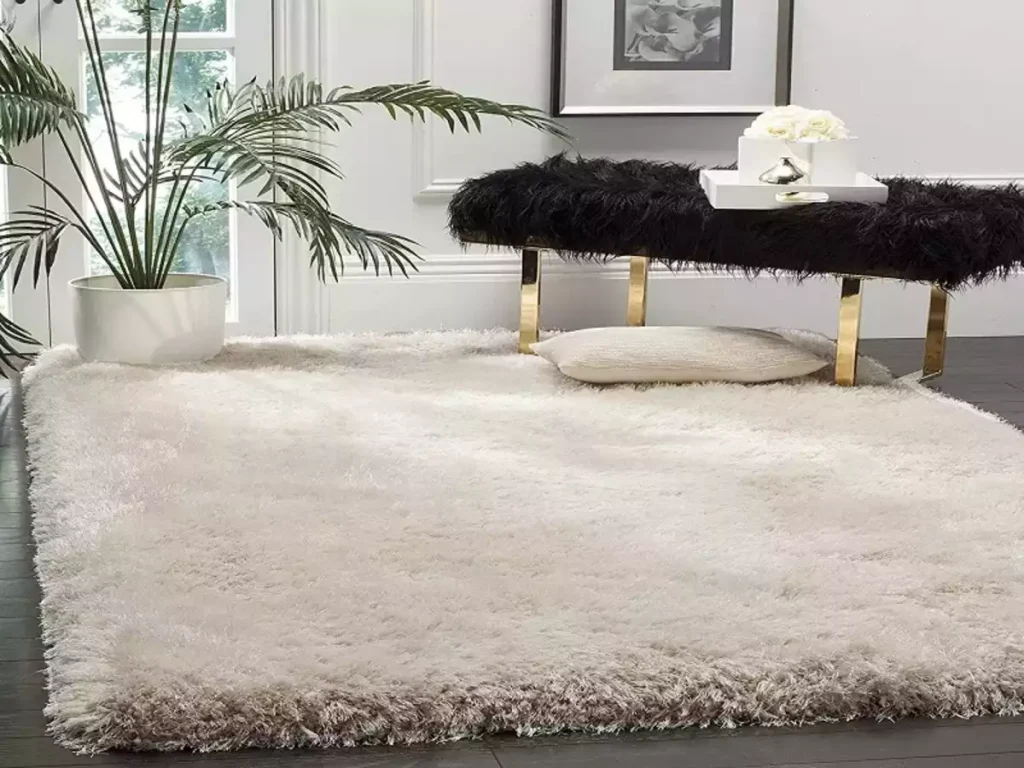
In interior design, homeowners and decorators seek to create spaces that reflect their personal style and exude a unique charm. When it comes to enhancing the aesthetics of a home, few elements can rival the transformative power of handmade rugs Canada. These artful creations provide warmth and comfort underfoot and infuse living spaces with artisanal flair. In this article, we explore the allure of affordable handmade rugs and their ability to elevate the ambience of any home.

The Artistry of Handmade Rugs

Handmade rugs are crafted by skilled artisans who employ traditional weaving techniques passed down through generations. Each rug is a labour of love, meticulously woven by hand using natural materials such as wool, silk, or cotton. The intricate patterns, vibrant colours, and unique textures of these rugs showcase their creators’ artistic mastery and cultural heritage. If you are looking to renovate and furnish your apartment, there are plenty of options available. From selecting the right furniture pieces to choosing the perfect color palette, there is no shortage of decisions that need to be made. With careful planning and consideration, you can create an inviting and comfortable living space that reflects your personal style. Whether you are starting from scratch or simply making a few changes, there are many creative ways to bring new life into your apartment while staying within budget. Check out apartments for rent in mobile al.

Adding Personality and Warmth

One of the primary benefits of affordable handmade rugs is their ability to add personality and warmth to a home. Handmade rugs’ rich colours and textures create visual interest and serve as a focal point in any room, instantly elevating the overall aesthetic. The wide variety of designs available ensures that there is a rug to suit every taste and style, from traditional motifs to modern abstract patterns.

Versatility and Flexibility

Another advantage of affordable handmade rugs is their versatility and flexibility. These rugs can be used in various areas of the home, including living rooms, bedrooms, dining rooms, and even hallways. They effortlessly tie together different elements of a room, harmonizing furniture, artwork, and accessories. Moreover, handmade rugs can be easily moved and repositioned, allowing for a dynamic and ever-evolving interior design.

Durability and Longevity

Investing in affordable handmade rugs is a wise choice not only for their aesthetic appeal but also for their durability and longevity. Handmade rugs are crafted with meticulous attention to detail and using high-quality materials, ensuring they withstand time. Their sturdy construction makes them resistant to wear and tear, making them an excellent choice for high-traffic areas in the home.

Cultural and Ethical Significance

Apart from their visual appeal and durability, affordable handmade rugs also hold cultural and ethical significance. These rugs often represent the cultural heritage of the regions where they are crafted, reflecting the traditions and craftsmanship of local communities. By purchasing handmade rugs, homeowners support artisanal traditions and sustainable practices, contributing to the preservation of cultural diversity.

Conclusion

Affordable handmade rugs are not just floor coverings; they are works of art that breathe life into living spaces. With their artisanal flair, rich colours, and intricate designs, these rugs can transform any home’s ambience. Their versatility, durability, and cultural significance make them a worthwhile investment for homeowners and interior designers seeking to create distinctive and inviting spaces. So, consider the allure of affordable handmade rugs whether you’re looking to add a touch of elegance to your living room or create a cosy retreat in your bedroom.