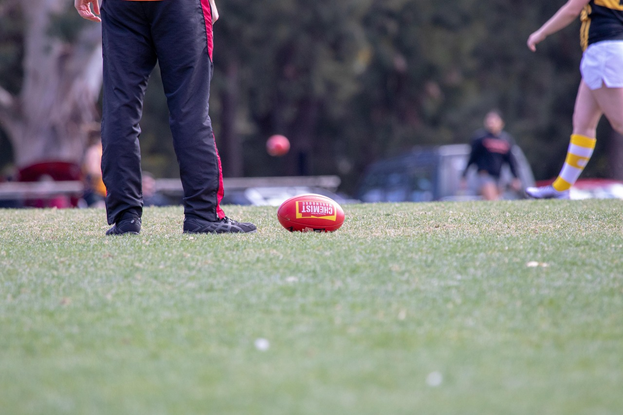
If you follow the footy, the nags or the Octagon, you’ve probably noticed fewer Ladbrokes or Neds logos on team jerseys lately. That’s no accident. Entain Group—the British giant behind those brands—has started dialling back its high‑profile tie‑ups with Australian clubs just as Canberra weighs tougher gambling‑ad rules. What feels like a corporate reshuffle today could reshape the whole way punters see bookie branding tomorrow.
Who is Entain Group?
Entain plc (https://www.londonstockexchange.com/stock/ENT/entain-plc/our-story) is one of the world’s biggest gambling conglomerates, listed on the London Stock Exchange and boasting more than 35 betting and gaming brands, including Ladbrokes, Coral, bwin and BetMGM in the US.
In Australia, Entain’s local arm runs Ladbrokes and Neds, two familiar names to anyone price‑shopping new betting sites Australia or chasing a Saturday quaddie online. The business footprint stretches beyond digital sportsbooks: Entain also holds a 25‑year partnership with TAB NZ and has invested heavily in retail technology and safer‑gambling tools. With roughly 10,000 staff worldwide and regulated‑market revenues north of £5 billion, its decisions send ripples through every code that relies on bookmaker cash.
Why Are Sponsorship Rules Shifting?
Public concern about gambling harm has surged. In 2023, a parliamentary inquiry produced the “You Win Some, You Lose More” report, laying out 31 recommendations—including a phased ban on most betting ads—to protect kids and problem gamblers. Although the Albanese government shelved a final response last year, fresh consultations restarted in July 2025 under new Communications Minister Anika Wells, keeping the prospect of stricter limits alive.
At the same time, the Australian Communications and Media Authority (ACMA) now enforces tight windows around live‑sport broadcasts: no odds promos during play and blackout periods from five minutes before kick‑off until five minutes after the final whistle for daytime events. The rules even reach international streaming feeds, as Paramount+ discovered when offshore ads slipped into an A‑League match earlier this year.
Media slip‑ups such as Channel Ten’s 17‑ad blitz during a Socceroos qualifier have kept the issue in headlines and stiffened ACMA’s resolve. Politically, Labor faces flak from both Greens and Coalition MPs to deliver on the late Peta Murphy’s blueprint before the next election, making a compromise on phase‑outs look more likely than a do‑nothing approach. In short, sports sponsorship in Australia sits in regulators’ crosshairs. Brands that once banked on wall‑to‑wall exposure now face shrinking airtime and potential outright bans.
Impact on Local Clubs and Codes
Early signals suggest clubs are already feeling the pinch as bookmaker cash begins to dry up.
- Entain’s early retreat gives a glimpse of what leaner wagering partnerships might look like. In late 2022 the company ended jersey, and stadium deals with NRL heavyweights Brisbane Broncos, Canterbury‑Bankstown Bulldogs and Gold Coast Titans, plus AFL’s Brisbane Lions and the A‑League at large. UFC’s local wagering tie‑up was also wound back.
- Clubs have long leaned on bookmaker cash to top up salary caps, community programs and grassroots pathways. Losing a major partner can leave a six‑ or seven‑figure hole in budgets almost overnight. Some codes, especially rugby league, now chase “family‑friendly” brands to fill the gap, while others—like racing—remain insulated; Ladbrokes actually extended its 10‑year naming‑rights deal for the Cox Plate through 2033.
- For punters, less front‑of‑shirt clutter may not change the odds, but it does shift perception. When a favourite club stops flashing a bookie logo every weekend, casual fans may feel less nudged toward impulse punts—something harm‑reduction advocates applaud.
- Grass‑roots outfits could be hardest hit; think suburban rugby‑league clubs that rely on a $40 k sleeve deal to keep junior registration fees low. Local administrators warn that without replacement sponsors; some programs may need to hike fees or cut squads.
- On the flip side, several state governments hint at grant top‑ups to offset lost revenue, mirroring models used when tobacco sponsorships were phased out in the 1990s.
Will Betting Ads Face Tighter Limits?

Most analysts think yes. Cross‑bench MPs and 75 per cent of voters back a phased three‑year ban on broadcast gambling ads. The ACMA is already flexing its enforcement muscle, warning influencers they could cop $2.5 million fines for spruiking unlicensed offshore sites.
Check this site to know more about Australian Communications and Media Authority.
If Parliament acts on the Murphy Review’s blueprint, match‑day promos could disappear by 2028. That would leave only in‑app messages, direct mail and content marketing for operators to fight over. Expect more investment in top Aussie bookies analysis podcasts, team‑up data hubs and club‑branded tipping games that skirt traditional ad definitions.
What Happens Next for Bookmakers?
With tougher ad rules on the horizon, operators are already redrawing their playbooks to stay in punters’ sights.
- Entain’s playbook hints at the future. By stepping back from mass‑market sponsorships yet doubling down on racing—still exempt from many ad rules—the company protects turnover while cooling political heat. Other bookmakers may mirror the move, pivoting to racing carnivals, digital engagement and value‑add features that score well in comparing wagering platforms reviews.
- Meanwhile, unbiased bookmaker reviews sites will likely become even more influential as TV exposure falls. Operators that rank high in latest betting site rankings—thanks to user experience, promos and responsible‑gambling tools—can still win market share without prime‑time commercials.
- Smaller entrants could benefit, too. Without the cost of million‑dollar kit deals, fresh licences can redirect spend into sharp odds, customer service and SEO, luring savvy punters who read detailed top Aussie bookies analysis before opening an account.
- Entain is already testing “Ladbroke Live” watch‑and‑bet streams inside its app, an in‑play feature designed to keep engagement high even when stadium signage disappears.
- Rival newcomers such as Dabble and Picklebet see an opening; by leaning into social‑betting feeds and micro‑markets they hope to punch above their weight without paying for big‑ticket sponsorships.
Entain’s sponsorship shake‑up is more than a corporate cost‑cutting exercise; it’s an early adjustment to a regulatory tide that’s turning fast. Aussie sports fans should expect fewer gambling logos on jerseys and tighter ad windows on screens. Bookmakers that adapt—by embracing responsible‑gambling tech, niche content and smarter partnerships—will keep their seat at the table. Those that don’t may find the siren has already sounded. Either way, the next 18 months will be pivotal. As Canberra drafts the finer points, punters, clubs and bookmakers alike are bracing for a very different game‑day vibe.