
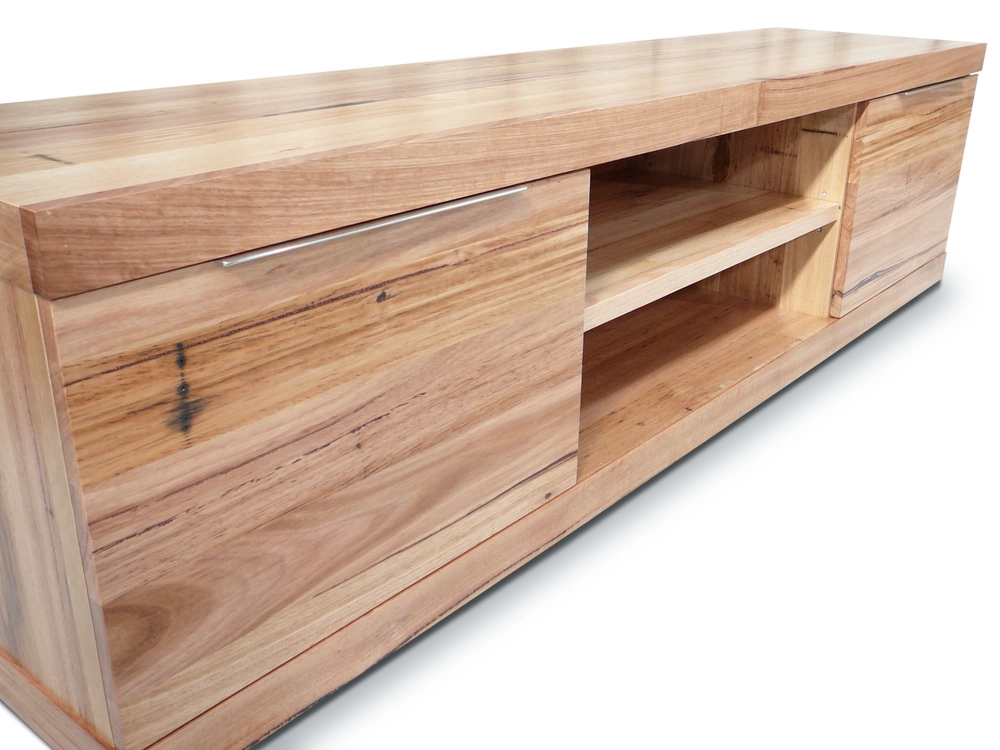
Tasmanian oak is the most popular solid timber used to manufacture log furniture. A Tasmanian oak entertainment unit, table, chair, and cabinet are the most typical types that are constructed from this wood. Besides, the wood’s gorgeous grain patterns and rustic appeal improve the appearance of the furniture. Due to its enormous and sturdy nature, Tasmanian timber is frequently employed in manufacturing. The Tasmanian oak tree has a high level of resistance to fungus.
Can Tasmanian Oak Last For a Long Time?
Tasmanian oak is strong, long-lasting, and sturdy. They may be used to build a stunning Tasmanian oak entertainment unit, as well as a Tasmanian oak dining table that can withstand a lot of weight and strain. One of the most resilient oaks is readily accessible. There are other inexpensive options, but they are not reliable in terms of their durability over the long run. This Tasmanian oak wood can last for more than two generations and can be repaired swiftly by a skilled craftsperson.
What Qualities Does Tasmanian Oak Possess?
Tasmanian oak is an excellent material for furniture since it can give a smooth finish and is strong, hefty, elegant, and long-lasting. This natural hardwood offers a more consistent appearance due to its lighter colouration, which ranges from reddish-brown to sandy tones with transitional pink and mild cream tints.
Because Tasmanian oak is a wood that accepts stains quite well, it is a great option for combining with other furnishings, timbers, and finishes. This particular hardwood has exceptional workability since it is remarkably stable. It is, therefore, perfect for making specialised furniture for people who have the resources to do so.
Tasmanian Oak Entertainment Unit
This kind of furniture is the best Tasmanian oak entertainment unit to add to your home. It is constructed from sturdy hardwood with a distinctive grain pattern. This piece of furniture will last for many years because of its high quality and toughness. The majority of Tasmanian wood TV stands have a contemporary and attractive appearance. The purchase of this kind of furniture will turn out to be a good one.
How Can You Best Obtain Tasmanian Oak For Your Home?
Tasmanian oak may be found across Australia, although depending on where you are in the nation, it may be sold under several names. Many furniture items are now being built with natural hardwood, which is gaining popularity. They are excellent for those who need wood furniture that will withstand the test of time when it comes to producing any kind of furniture.
The cost of hardwood furniture can be rather considerable because quality comes at a premium. You will be pleasantly surprised with how inexpensive Tasmanian oak is when you contrast the price with more expensive exotic hardwoods like Teak or Rosewood. Tasmanian oak may be purchased for a reasonable price because it is environmentally beneficial and can be produced right here in Australia. However, while being more economical, a Tasmanian oak dining table is a useful, lovely, and durable solution for any contemporary home.
Benefits of Tasmanian Oak Wood
European furniture makers frequently employ Tasmanian oak. The wood is attractive and breathtakingly gorgeous when used to make furniture because of its delicate and natural grain pattern. It is employed by several manufacturers to construct various types of furniture, including Tasmanian oak TV units, doors, windows, cabinets, and other items. Because it is more readily available in Australia than other wood species, this sort of wood is simple to locate.
Tasmanian oak is a hardwood that works well in a variety of applications. It bends and steam presses quickly, and it can be sanded, polished, and glued very well. Consequently, Tasmanian oak is especially well suited for usage in furniture and interior applications.
Does Tasmanian Oak Entertainment Unit Need to Be Polished?
Although maintaining a Tasmanian oak entertainment unit is not difficult, you must take precautions. All that is necessary to clean the furniture is a quick hand wash. It is recommended to oil the furniture pieces once using a wood cleaning solution or any other safe cleaning agent for wood to keep them in the best condition possible. Furniture made of Tasmanian oak wood should not be submerged in water because doing so will harm the object.
Wrapping Things Up
Tasmanian oak is the chosen hardwood for a variety of applications because it is dense, warm, and robust. It gives a fantastic finish and functions incredibly well. It may be laminated with adhesive to cover large stretches and is suitable for use in all types of construction as panelling, flooring and scantlings.
The completed and polished objects made of Tasmanian oak offer a classy appearance. The material can be bonded with adhesive and is easier to paint than other types of wood. A Tasmanian oak dining table, door walls, windows, and other items can be built using the product since screws, rails, and other components can be swiftly and simply inserted into it.