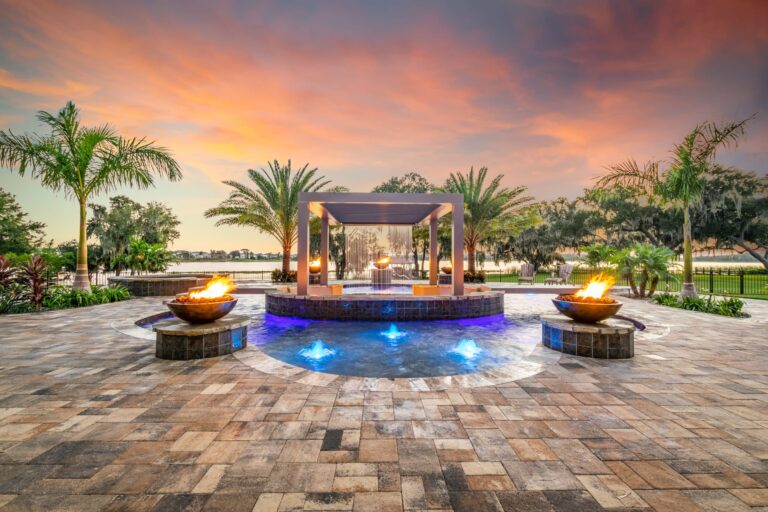
Modern outdoor living has evolved far beyond simple patios and swimming pools. Homeowners today want elegant outdoor spaces that feel like luxury resorts, private retreats, and entertainment destinations all at once. One of the most impressive additions to modern landscapes is the growing popularity of fire bowls for pools. These stunning architectural elements combine the natural beauty of water and fire to create an unforgettable visual experience.
Whether installed beside an infinity pool, integrated into a spa area, or placed along a luxury patio, fire bowls for pools instantly create a dramatic focal point. They bring warmth, sophistication, ambiance, and a high-end resort atmosphere to residential and commercial outdoor environments.
Companies like USA Fire Bowls have helped redefine modern outdoor design by offering premium-quality fire and water features that elevate poolscapes to an entirely new level.
Why Fire and Water Create the Perfect Combination
For centuries, designers and architects have combined opposing natural elements to create harmony and beauty. Fire represents warmth, energy, and movement, while water symbolizes calmness, relaxation, and serenity. Together, they create a captivating contrast that immediately attracts attention.
This is one of the biggest reasons why fire bowls for pools have become such a major trend in luxury landscaping. During the daytime, they add architectural depth and elegance to the pool area. At night, the flames reflect beautifully on the water surface, creating a glowing atmosphere that completely transforms the outdoor environment.
The visual effect becomes even more impressive when multiple fire bowls are installed symmetrically around a swimming pool or integrated alongside waterfalls, fountains, or spa features.
The Growing Popularity of Luxury Pool Features
Outdoor living spaces are now considered an extension of the home itself. Instead of viewing a backyard as a simple outdoor area, homeowners increasingly invest in creating fully functional luxury entertainment environments.
Popular Luxury Pool Features
- Outdoor kitchens
- Infinity-edge pools
- LED lighting systems
- Waterfalls and fountains
- Built-in seating areas
- Smart outdoor automation
- Decorative landscaping
- Luxury fire bowls for pools
Luxury outdoor upgrades not only improve aesthetics but can also increase property value and improve the overall lifestyle experience for homeowners.
What Makes Fire Bowls So Unique
Unlike traditional fire pits, fire bowls for pools are designed to function as artistic architectural features. Their elegant shapes, premium materials, and integrated flame systems allow them to blend naturally into luxury outdoor environments.
Some models include only fire elements, while others combine both fire and flowing water into a single feature. These fire-and-water combinations create a spectacular visual centerpiece that feels both modern and timeless.
Popular Materials Used for Fire Bowls
- Concrete
- Copper
- Stainless steel
- Natural stone
- GFRC (Glass Fiber Reinforced Concrete)
Each material creates a different design style, allowing homeowners to customize the look of their outdoor spaces according to their preferences.
Enhancing Outdoor Entertainment Areas
One of the biggest advantages of installing fire bowls for pools is the atmosphere they create during social gatherings and evening events. Whether hosting friends, relaxing with family, or enjoying a quiet night outdoors, fire features naturally make spaces feel more inviting and luxurious.
The warm glow of fire enhances nighttime pool experiences and creates a resort-style ambiance that ordinary landscaping cannot achieve.
Luxury hotels and high-end resorts have long used fire features to create emotional experiences for guests. Today, homeowners are bringing that same luxury into private residences.
Fire Bowls and Modern Landscape Design
Architects and landscape designers frequently use fire bowls for pools to create symmetry and visual balance throughout outdoor spaces. These features can frame a pool entrance, highlight focal points, or connect different outdoor zones together.
Popular Placement Ideas
- Along the edges of an infinity pool
- Beside waterfalls
- Near outdoor seating areas
- Around spa installations
- At pool entrances
- Integrated into columns or pillars
- Along pathways and patios
The versatility of fire bowls makes them suitable for both minimalist modern designs and more traditional luxury landscapes.
Why Homeowners Choose Premium Fire Features
Not all fire bowls are created equally. Premium-quality products provide better durability, more reliable flame performance, superior weather resistance, and longer-lasting beauty.
High-end manufacturers like USA Fire Bowls focus on craftsmanship, engineering precision, and premium materials designed specifically for outdoor environments.
Reasons Homeowners Choose Premium Fire Bowls
- Long-term durability
- Elegant architectural design
- Reliable performance
- Weather resistance
- Easy maintenance
- Luxury aesthetics
- Professional-quality installation options
Choosing high-quality outdoor fire features ensures the investment continues to look impressive for many years.
Gas Fire Bowls vs Wood Burning Options
Most modern fire bowls for pools operate using natural gas or propane. Gas-powered systems offer several major advantages compared to traditional wood-burning fire pits.
Benefits of Gas Fire Bowls
- Instant ignition
- Cleaner flames
- Less smoke
- Easier maintenance
- Better safety control
- Consistent flame height
- Modern automation compatibility
Gas-powered systems also integrate well with smart home technology, allowing homeowners to control lighting, flames, and outdoor features from mobile devices or automation systems.
The Impact of Lighting and Reflection
One of the most breathtaking aspects of fire bowls for pools is how flames interact with water reflections at night. The moving reflections create dynamic visual effects that continuously change with the movement of the water.
When combined with strategic outdoor lighting, the results can feel almost cinematic.
Features Commonly Combined With Fire Bowls
- Underwater LED pool lighting
- Accent landscape lighting
- Fire bowls
- Waterfalls
- Reflective surfaces
This layered lighting approach creates depth, elegance, and visual drama throughout the outdoor space.
Customization Options for Modern Pool Designs
Today’s homeowners want personalized outdoor environments that reflect their style and lifestyle. Fortunately, modern fire bowls for pools are available in a wide range of designs, finishes, and customization options.
Popular Customization Features
- Different bowl sizes
- Custom flame heights
- Water spillover effects
- Various textures and finishes
- Color customization
- Decorative fire media
- Match-lit or electronic ignition systems
This flexibility allows designers to create unique luxury environments that complement both modern and traditional homes.
Fire Bowls Increase Property Appeal
Luxury outdoor upgrades are becoming increasingly important in real estate markets. Homes with professionally designed outdoor entertainment areas often attract more buyer interest and command higher perceived value.
Adding premium fire bowls for pools can make a property feel more exclusive and visually memorable. Buyers are naturally drawn toward homes that offer resort-style experiences and sophisticated outdoor environments.
Real estate professionals often highlight luxury outdoor features in listings because they create strong emotional impressions during property viewings.
Safety Considerations for Fire Features
Modern fire bowls for pools are designed with advanced safety systems that help ensure reliable operation. Professional installation is essential to guarantee proper gas connections, ventilation, and compliance with local regulations.
Important Safety Factors
- Proper gas line installation
- Safe distances from structures
- Wind exposure analysis
- Quality ignition systems
- Professional burner installation
- Weather-resistant components
Working with experienced professionals helps homeowners maximize both safety and performance.
Low Maintenance Luxury
Another major reason homeowners prefer modern fire bowls for pools is their relatively low maintenance requirements. Unlike wood-burning systems that require constant cleaning and ash removal, gas-powered fire bowls are much easier to maintain.
Routine Maintenance Tasks
- Cleaning burner components
- Checking gas connections
- Removing debris
- Inspecting ignition systems
- Seasonal maintenance inspections
High-quality materials also resist cracking, fading, and weather damage over time.
Creating a Resort-Style Backyard Experience
Luxury outdoor living is no longer reserved for upscale resorts and hotels. Homeowners increasingly want private outdoor environments that feel relaxing, beautiful, and emotionally engaging.
Benefits of Installing Fire Bowls
- Relaxation spaces
- Entertainment zones
- Luxury visual experiences
- Cozy nighttime atmospheres
- Sophisticated architectural focal points
The combination of firelight, water reflections, and elegant design creates an outdoor environment that feels timeless and luxurious.
Choosing the Right Fire Bowl Design
Selecting the ideal fire bowls for pools depends on several important factors.
Key Design Considerations
- Pool size
- Overall landscape style
- Available space
- Desired flame effect
- Material preferences
- Budget
- Existing outdoor features
Modern minimalist homes often pair well with smooth concrete or geometric fire bowls, while Mediterranean or rustic designs may benefit from natural stone finishes or textured surfaces.
Professional design planning ensures the fire features integrate naturally into the overall landscape architecture.
Why Fire Bowls Continue to Dominate Outdoor Design Trends
Luxury outdoor living trends continue moving toward experiential design — spaces that create emotion, atmosphere, and memorable experiences. Few features achieve this as effectively as fire bowls for pools.
Their ability to combine elegance, warmth, movement, and visual drama makes them one of the most desirable upgrades for modern outdoor environments.
As homeowners continue investing in luxury outdoor living spaces, demand for premium fire features will likely continue growing for many years to come.
Final Thoughts
For homeowners seeking a sophisticated, high-end outdoor transformation, premium fire features from USA Fire Bowls offer an exceptional way to elevate pools, patios, and outdoor entertainment areas into truly extraordinary spaces.
By combining the beauty of fire and water with luxury craftsmanship and modern design, fire bowls for pools create outdoor environments that feel elegant, relaxing, and unforgettable.