
Author

Trent

Browsing

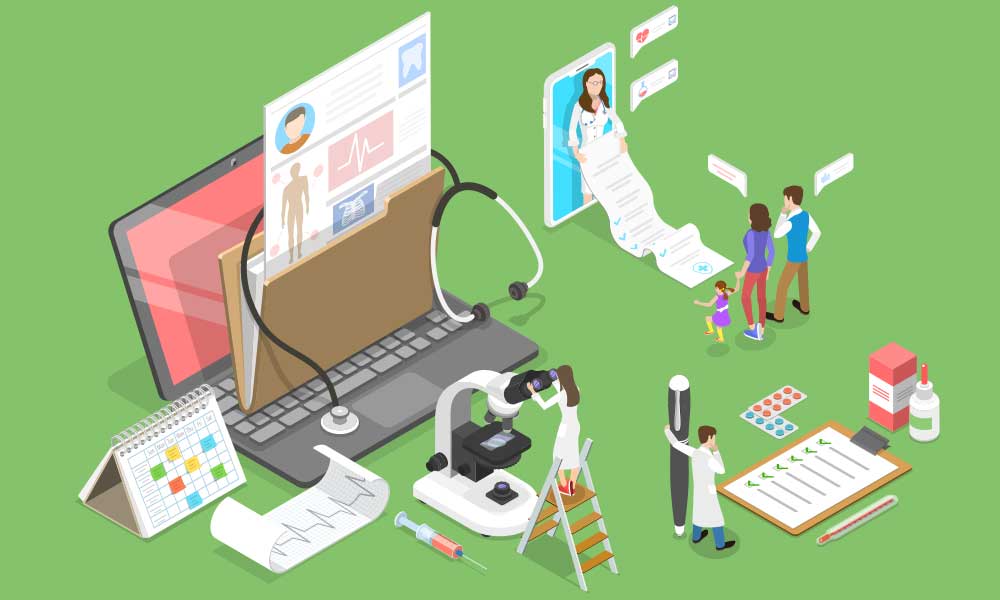
carer certificate online platforms solve practical problems that traditional medical documentation creates during family care emergencies. Employees face competing demands when family members need urgent care, while workplace policies require medical proof for absences. Getting documentation from traditional sources often requires leaving the person needing care to attend separate appointments. Digital certificates remove this conflict by providing legitimate workplace documentation without forcing caregivers to choose between family obligations and employment requirements.

Family care situations create unique documentation challenges different from personal illness. The employee isn’t sick but needs time away from work to care for someone else who is. Traditional medical systems focus on treating patients, not documenting caregiver needs. This mismatch leaves employees scrambling for proper paperwork to satisfy employer requirements. NextClinic addresses this gap by specifically supporting carer documentation alongside personal medical certificates.

Time-sensitive family emergencies

Family medical crises demand immediate attention. A parent collapses. A child gets rushed to the emergency department. A spouse needs urgent surgery. These situations require caregiver presence now, not after scheduling appointments and waiting days for available slots. Traditional documentation paths can’t accommodate this urgency. Employees facing sudden family emergencies can’t spend hours pursuing paperwork. The priority is being present for the family member. Documentation becomes secondary despite workplace requirements demanding it. Online certificates resolve this timing problem by providing documentation access that doesn’t compete with caregiving duties. Consultations happen quickly during brief breaks rather than requiring extended absences from the family member’s bedside.

Avoiding documentation gaps

Many workplace carer leave policies distinguish between documented and undocumented absences. Documented leave with proper medical certificates protects employment status. Undocumented absences trigger disciplinary procedures regardless of how legitimate the family emergency was. The documentation determines everything, not the actual caregiving need. Online certificates eliminate these gaps through immediate availability:

  • Consultations happen the same day when emergencies occur
  • Certificates get issued within hours, covering the absence from day one
  • No retroactive documentation problems complicating HR processing
  • Complete absence of a paper trail from the start, rather than partial coverage

Privacy and discretion

Family medical situations involve sensitive private information. Employees prefer limiting disclosure about family health issues to what workplace policies strictly require. Traditional documentation paths sometimes demand excessive detail about family member conditions that extend beyond actual policy requirements. Doctor offices unfamiliar with employment carer leave policies might include unnecessary medical details. Online carer certificate platforms understand workplace documentation requirements specifically. They provide information employers need without excessive medical detail disclosure. Certificates state that a qualifying family member required care without revealing private diagnosis information, which is unnecessary for absence validation. This discretion matters when dealing with sensitive family health situations like mental health crises, addiction treatment, or terminal illness.

Cost efficiency considerations

Getting carer documentation through traditional medical channels often means paying for full consultation fees to obtain paperwork. The caregiver isn’t receiving medical treatment themselves. The family member needing care is already under medical supervision. Yet obtaining workplace documentation requires a separate paid appointment purely for administrative purposes. These costs accumulate quickly when caregiving spans multiple days, requiring repeated documentation. Online carer certificates typically cost less than traditional in-person appointments. The focused nature of documentation consultations requires less physician time than comprehensive medical evaluations. Platform efficiency translates to lower costs for employees who already face financial strain from family medical emergencies.

Employees choose online carer certificates because they solve timing, privacy, and cost problems inherent in traditional documentation. Digital platforms provide legitimate workplace paperwork without compromising family care priorities.

Addiction can often begin as an experiment or a search for relief. But for many, what starts as a casual encounter with a drug becomes a powerful force — one that rewires the brain, hijacks reward systems, and becomes nearly impossible to escape. The grip of opioid dependence is ruthless: what once felt like a fleeting escape transforms into an urgent need. Recognizing this reality is the first step toward healing.

When someone becomes addicted, the brain gradually reduces its own production of feel-good chemicals. Instead, it begins to rely on the drug to trigger pleasure. Over time, the natural ability to feel satisfied erodes — usually leaving behind emptiness, anxiety, depression, and sometimes pain. The drug may provide a temporary reprieve, but when its effect fades, the underlying emotional and psychological pain resurfaces — often worse than before.

This downward spiral leads many to chase that first high again and again, hoping to recapture something that turned out to be fleeting. But each use deepens physical dependence and increases the difficulty of breaking free.

Why Quitting Alone Rarely Works

Withdrawal can be brutal. It is often described as being “on fire inside,” with symptoms such as fever, intense sweating, tremors, nausea, severe restlessness, and psychological distress. These symptoms make quitting cold-turkey extremely hard and dangerous.

Given these intense symptoms — and the fact that addiction alters how the brain functions — simply stopping drug use rarely suffices. Without medical and psychological support, many experience a relapse, sometimes with increased risk to health.

Treatment as a Path to Healing

Recovery from opioid or other drug dependence becomes possible when treatment addresses not just the body, but the mind and environment too. Medical detoxification can begin the process of removing the drug from the system, while medications help ease withdrawal symptoms and reduce cravings.

After detox, therapy plays a vital role. Approaches like cognitive-behavioral therapy (CBT), motivational counseling, and other behavioral therapies help individuals understand the root causes of their addiction — trauma, emotional pain, stress — and build healthier coping mechanisms.

Long-term recovery also often involves structured aftercare: support groups, therapy, lifestyle changes, mental health treatment, and help in rebuilding relationships and establishing routines. Relapse prevention becomes a key focus, alongside creating a life that has meaning beyond substance use.

Many find that holistic care — which combines medication, psychological therapy, social support, and lifestyle changes — provides the most robust path to lasting recovery.

Midway through that journey, it becomes crucial to connect with proper meth addiction treatment resources — not just for meth use, but because many of the principles of opioid and substance-use treatment apply broadly. Whether it’s opioid dependence, meth misuse, or other substance challenges, having access to compassionate, integrated care greatly increases the chance of successful, long-term recovery.

People who engage with comprehensive treatment often report a gradual return of clarity: the constant haze lifts, emotional pain becomes manageable without self-medicating, and relationships begin to heal. With therapy and support, they regain the ability to experience natural satisfaction, reconnect with their values, and rebuild a sense of purpose.

Hope, Healing, and a Life Reclaimed

Addiction is rarely just about the substance. It’s often connected to deeper issues: trauma, mental health challenges, grief, loneliness, or unmet needs. Addressing only the physical side — the withdrawal — without addressing the emotional and psychological factors, leaves the door open for relapse. But when treatment treats the whole person, recovery becomes more than abstinence: it becomes a second chance at life.

Premium homes reflect a thoughtful approach that highlights refined details and balanced structural flow. Each segment of a well-designed space contributes to its overall character with understated coordination. Homes gain richer definition through the balanced inclusion of custom bathroom cabinets. These elevated elements bring distinction that quietly reinforces the home’s elevated presence.

What Defines True Cabinet Mastery?

Cabinet mastery appears through intentional shaping supported by controlled technique and clear structural planning. Skilled makers rely on precise movement that gives every surface consistent alignment. Their approach allows each fitted component to settle naturally into its designated contour, creating a sense of unbroken continuity. The result reveals craftsmanship that strengthens the room’s visual direction.

Crafted Details Elevate Interior Character

Fine details work together to offer balanced enhancement that reinforces the home’s broader style direction. Subtle lines and measured edges guide transitions that help each section feel naturally connected.

Refined Framework Choices

  • Thoughtful joinery enhances subtle structural clarity
  • Grain alignment supports smooth directional flow
  • Trim spacing helps maintain proportional balance
  • Design accents encourage cohesive visual depth
  • Framing edges outline cleaner transitional zones
  • Reinforced corners provide stable long-term form

Enhanced Interior Structuring

  • Inner compartments support focused spatial order
  • Soft contours strengthen overall cabinet shape
  • Panel spacing promotes steady compositional rhythm
  • Organized sections improve functional movement paths
  • Balanced recessing helps unify exterior surfaces
  • Interior grids maintain dependable framing support

Short refinements in layout allow these features to work together with calm efficiency. Each selection contributes a controlled presence that aligns naturally with surrounding finishes.

Why Do Premium Homes Value Precision?

Precision supports a predictable sense of balance that enhances how each area interacts with its neighboring features. It offers consistency across the home, giving each room a stronger foundation for visual clarity. Steady alignment reduces distraction and offers a clearer focus, allowing the home’s character to stand confidently. This commitment becomes a defining part of its elevated design identity.

Material Choices Shape Lasting Elegance

Material selections determine how well each cabinet structure responds to long-term use while preserving its refined appearance. Designers frequently assess texture depth, allowing custom bathroom cabinets to complement surrounding surfaces with subtle contrast. This relationship between material tone and overall structure elevates the room’s cohesion. Measured refinement in texture helps the surrounding atmosphere remain steady and visually grounded.

Natural Surface Options

  • Warm grains encourage understated tonal progression
  • Dense fibers resist surface distortion over time
  • Subtle sheens improve ambient light interaction
  • Neutral hues maintain flexible pairing potential
  • Tight textures offer dependable shaping control
  • Solid bodies enhance structural continuity

Contemporary Finish Directions

  • Smooth coatings protect balanced surface consistency
  • Matte layers introduce refined visual softness
  • Reinforced seals guard against uneven wear patterns
  • Polished edges enhance defined spatial outlines
  • Modern tints enrich transitional clarity
  • Satin blends reinforce a calm reflective tone

These choices work together to support elegant longevity while giving designers a wider palette of expressions.

Can Homeowners Personalize Every Feature?

Yes, homeowners can choose tailored features that reflect their preferences while keeping structural quality intact. Adjustments may include surface profiles, internal arrangements, or understated decorative touches that guide overall shaping. These personalized refinements create a meaningful connection to the completed cabinetry, making the home feel more individually expressive.

Refined Finishes Strengthen Overall Appeal

Select finishes influence how light interacts with each surface while maintaining visual calm. Balanced coatings support consistent shading that merges well with surrounding architectural elements. Every controlled layer adds to the cabinetry’s enduring presence, helping the entire room settle into a composed and polished atmosphere.