
Understanding the Deep Connection Between Faith and Christmas Christian Gift Ideas in Modern Times
When searching for meaningful Christmas Christian gift ideas, many believers find themselves wondering how traditional jewelry can truly reflect their devotion and spiritual journey. The intersection of faith and beautiful accessories has created extraordinary opportunities for Christians seeking good Christian Christmas gifts that speak directly to the heart. Modern believers increasingly desire presents that combine aesthetic appeal with profound spiritual significance. This makes Christian Christmas gifts more meaningful than ever before, especially when seeking good options that honor both beauty and faith.
Today’s faithful communities embrace innovative approaches to expressing their beliefs through wearable art. Revolutionary technology has transformed how we can carry God’s Word close to our hearts. These advances create unique Christmas gift ideas that transcend ordinary jewelry boundaries. These remarkable pieces allow believers to wear their faith literally. They incorporate actual Biblical verses into stunning designs. They serve as constant reminders of divine love and guidance. The growing trend of faith-based jewelry reflects a deeper desire among Christians to integrate their spiritual lives with their daily experiences. This transforms ordinary accessories into powerful spiritual tools. These tools enhance personal devotion and strengthen connections with divine truth throughout each day’s activities and challenges. These good Christian gifts provide both beauty and spiritual nourishment for believers seeking meaningful Christmas ideas. They demonstrate good judgment in gift selection.
What Makes Religious Jewelry the Perfect Christian Christmas Gift for Believers?
How Do Believers Choose the Best Christmas Gifts That Reflect Their Faith Journey?
The question of selecting meaningful religious jewelry often perplexes Christians seeking authentic expressions of their devotion. Many believers wonder whether traditional crosses and fish symbols adequately represent their deep spiritual commitment. They question if modern innovations might offer more profound connections to their faith. Religious jewelry expert Catherine Williams observes that contemporary Christians increasingly seek pieces that go beyond symbolic representation. They desire tangible spiritual experiences that make good Christmas gift ideas truly special. These choices demonstrate good taste in spiritual jewelry selection.
When examining what constitutes truly meaningful religious jewelry, believers must consider both the emotional resonance and practical spiritual value of their chosen pieces. The most impactful Christian gifts often combine beautiful craftsmanship with authentic Biblical content. This creates wearable testimonies that speak to both the heart and mind. These exceptional pieces transform everyday moments into opportunities for spiritual reflection and connection with divine teachings. Such good Christian jewelry ideas provide believers with constant access to divine wisdom. They represent good choices for meaningful gift-giving.
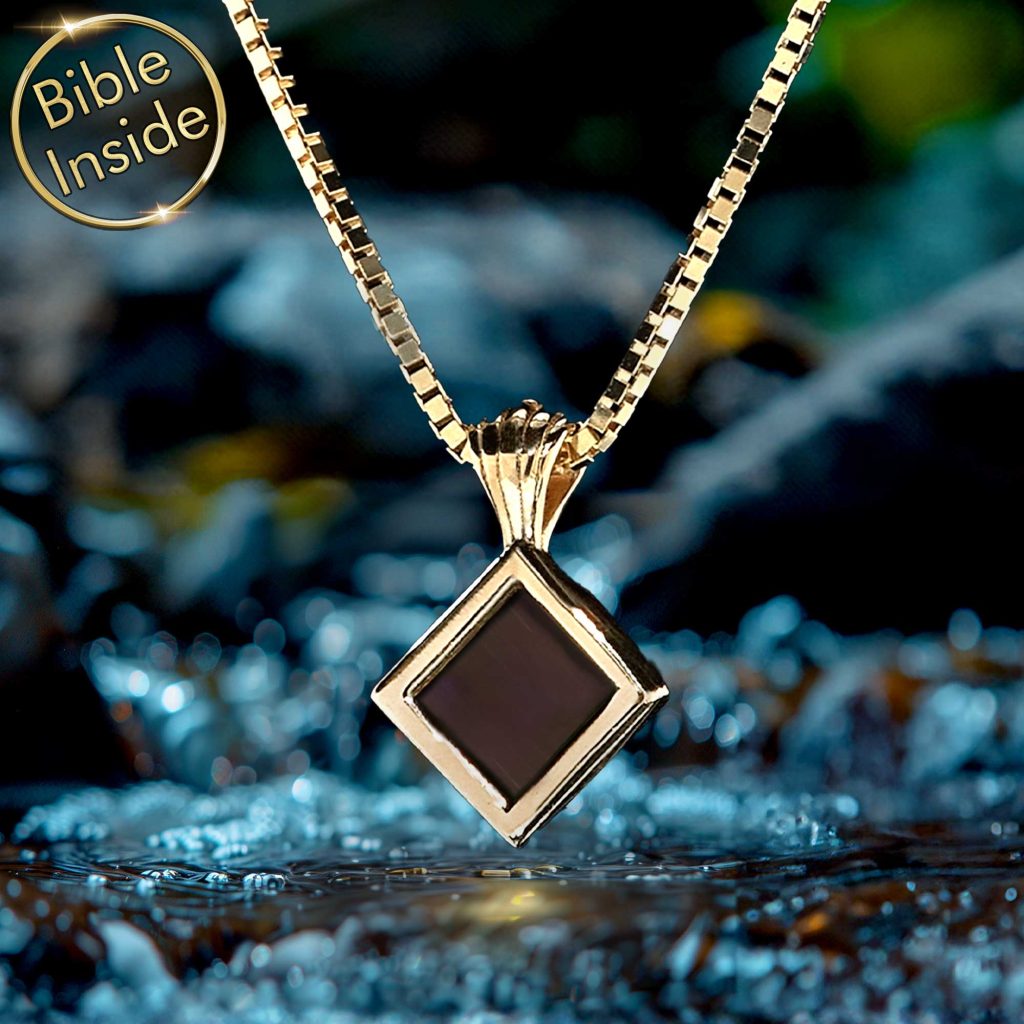
Revolutionary advances in jewelry crafting have enabled artisans to incorporate complete scriptural texts into elegant designs. This offers Christians unprecedented opportunities to carry God’s Word wherever they go. Companies like My Nano Jewelry specialize in creating these remarkable pieces. They utilize state-of-the-art miniaturization techniques that allow entire Biblical sections to be engraved onto microscopic chips. These are then seamlessly inlaid into beautiful jewelry settings. These innovations represent truly good gift ideas for devoted Christians. They seek good quality spiritual accessories that demonstrate good judgment in combining faith with fashion.
What Technology Makes These Unique Christmas Gifts with Scripture Possible?
Contemporary jewelry designers have revolutionized the concept of Christian Christmas presents by developing advanced techniques. These allow entire Biblical texts to be incorporated into elegant designs. Through cutting-edge miniaturization technology, craftsmen can now inlay complete New Testament or Old Testament sections into jewelry pieces no larger than traditional gemstones. This breakthrough has opened unprecedented possibilities for creating truly unique Christmas gift ideas. These honor both craftsmanship and faith. They represent exceptionally good Christian gift ideas for believers seeking meaningful presents. Such choices demonstrate good taste in spiritual jewelry.
Expert jeweler Michael Richardson explains the significance of this innovation. “The fusion of innovative technology with timeless spiritual texts creates opportunities for believers to carry God’s complete message in ways previous generations never imagined possible.” These innovations have transformed how Christians approach gift-giving. They particularly impact those seeking Christmas Christian gifts that demonstrate genuine thoughtfulness and spiritual awareness. Such advances provide believers with good Christmas ideas that combine technology with faith. They ensure good quality construction and good spiritual value.
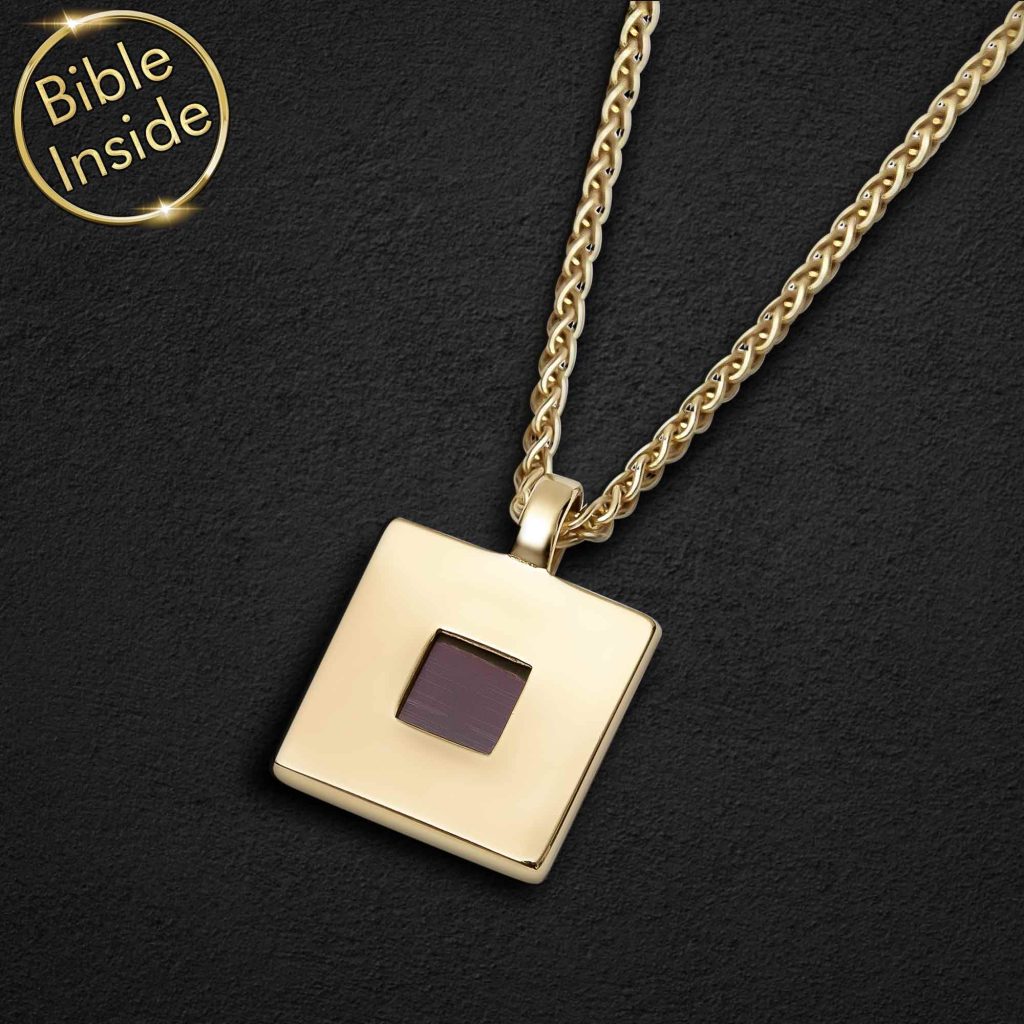
For those exploring biblical Christmas gifts, understanding the technical excellence behind these creations adds another layer of appreciation. Each piece requires precise craftsmanship where skilled artisans engrave rather than print holy texts onto tiny chips measuring just 5×5 millimeters. These microscopic marvels contain either the complete New Testament with its 27 books and 260 chapters, or substantial Old Testament portions featuring 24 books across 929 chapters. The chips are then carefully inlaid into jewelry settings like precious diamonds. This creates seamless integration between technology and traditional jewelry-making techniques. These represent truly good gift ideas that merge innovation with spiritual devotion. They maintain good standards of craftsmanship throughout the manufacturing process.
Why Do Christians Seek Special Christmas Gifts with Actual Biblical Content?
The desire for jewelry containing actual scriptural verses stems from believers’ longing for deeper spiritual connections in their daily lives. Traditional symbolic jewelry, while meaningful, often lacks the specific guidance and comfort that direct Biblical text provides. When Christians wear pieces containing complete testaments, they experience immediate access to divine wisdom during moments of uncertainty, stress, or celebration. These remarkable pieces represent the perfect fusion of Christmas Christian gift ideas with practical spiritual utility. They offer believers good Christian gifts that provide both beauty and spiritual nourishment. Such choices demonstrate good judgment in selecting meaningful presents.
Dr. James Morrison, a theological jewelry consultant, explains that believers who wear scripture-embedded jewelry report feeling more spiritually grounded throughout their daily activities. The knowledge that complete Biblical texts rest close to their hearts provides constant reassurance and spiritual strength. This transforms ordinary jewelry into powerful faith anchors. Such pieces consistently rank among the most appreciated Christian Christmas gifts because they offer ongoing spiritual benefits long after the holiday season ends. These represent genuinely good gift ideas that continue blessing recipients throughout the year. They maintain good spiritual value and good aesthetic appeal.
These innovative pieces serve multiple purposes beyond mere decoration. They function as portable prayer aids, conversation starters for witnessing opportunities, and sources of immediate Biblical reference. The psychological comfort of carrying complete divine texts creates lasting emotional connections between wearers and their faith. This makes such pieces invaluable Christian gift selections for Christmas celebrations and beyond. Such meaningful jewelry ideas demonstrate how good Christian gifts can enhance spiritual life in practical ways. They ensure good quality construction and good long-term spiritual benefits for the wearer.
How Can These Biblical Christmas Gifts Enhance Your Christmas Celebration?
What Role Do These Meaningful Christian Gifts Play in Christmas Traditions?
Christmas represents the ultimate celebration of God’s love manifested through Christ’s birth. This makes it the perfect time to exchange gifts that reflect significance and devotion. When selecting Christmas presents for fellow believers, thoughtful gift-givers recognize that the best options combine celebration with enrichment. They create lasting memories that extend far beyond the holiday season. These meaningful selections often become the most treasured Christmas Christian gift ideas within faith-centered families. Such good Christian gifts establish lasting traditions that honor both faith and family bonds. They demonstrate good judgment in meaningful gift selection through thoughtful Christmas ideas.
Faith-based accessories transform Christmas gift-giving from material exchange into ministry. They allow believers to share their love for God while providing recipients with tools for ongoing growth. These unique pieces become treasured family heirlooms that pass down faith traditions through generations. They create meaningful connections between past, present, and future believers. Such pieces consistently represent thoughtful Christmas Christian gifts that honor both the giver’s intentions and the recipient’s journey. These good gift ideas demonstrate how meaningful presents can strengthen family faith traditions. They ensure good value and good lasting impact on family devotions. These represent innovative Christmas ideas that blend tradition with purpose.
The emotional impact of receiving Bible Inside accessories during Christmas celebrations often exceeds expectations. Recipients discover they possess complete scriptural libraries in elegant, wearable forms. This combination of surprise, beauty, and depth creates unforgettable Christmas moments. It reinforces the true meaning of the season while providing ongoing benefits throughout the year. Such remarkable Christmas ideas prove that good Christian gifts can transform holiday celebrations into lasting memories. They maintain good aesthetic appeal and good practical utility. These creative gift ideas establish new family traditions centered on faith and scripture.
How Do Families Incorporate These Christian Christmas Presents into Holiday Traditions?
Many Christian families have begun incorporating faith-based accessories into their Christmas traditions, using these meaningful pieces to enhance their celebration of Christ’s birth. Pastor’s wife Rebecca Thompson shares how her family uses scripture-embedded pieces as focal points for Christmas devotions, with each family member taking turns reading verses from their wearable Biblical collections during holiday gatherings.
These innovative Christmas Christian gift ideas have transformed how families engage with scriptural content during the most blessed season. Such good Christian gifts create opportunities for meaningful family worship experiences, ensuring good engagement and good family bonding during the holidays. These represent creative Christmas ideas that inspire deeper family connections with scripture, creating new opportunities for families to engage with Biblical content during the Christmas season.
They transform accessories from passive items into active participants in holiday worship and reflection. Children particularly benefit from seeing adults treasure and interact with Biblical content in creative ways, fostering positive associations between faith and daily life practices. Such meaningful Christmas gifts for Christians often become central elements in developing family devotional traditions.
The versatility of faith-based accessories allows families to customize their Christmas traditions according to their unique preferences and needs. Moreover, They might focus on nativity narratives from the Gospels or explore Old Testament prophecies about the coming Messiah. This flexibility ensures that every family can find meaningful ways to incorporate these special pieces into their holiday celebrations, making them ideal Christian Christmas gifts ideas that grow more valuable with time and tradition. Such innovative gift ideas demonstrate how good Christian presents can enhance holiday worship in creative ways.
What Should You Consider When Choosing These Christian Gift Ideas with Scripture?
Which Biblical Texts Work Best for Different Christmas Gift Occasions?
Selecting appropriate Biblical content for accessories requires careful consideration of the recipient’s journey, personal preferences, and intended usage occasions. The New Testament option contains 27 books and 260 chapters of Christ’s teachings and early church history. It appeals to believers seeking focused guidance on Christian living and gospel truths. These pieces often represent the most requested Christmas Christian gift ideas among families seeking meaningful presents. Such good Christian gifts provide recipients with comprehensive access to Jesus’s teachings and apostolic wisdom. They ensure good value and good educational content. Meanwhile, Old Testament selections offer broader historical context and prophetic insights that enrich understanding of God’s eternal plan. These represent equally good gift ideas for mature believers seeking deeper scriptural understanding and good theological foundation.
Designer and Biblical scholar Professor Mark Davidson recommends considering the recipient’s current life circumstances when choosing between testament options. Young believers might benefit more from New Testament content that provides clear guidance on Christian discipleship. Mature Christians often appreciate Old Testament wisdom books and prophetic literature that deepen their understanding of God’s character and purposes. Such thoughtful selections consistently rank among the most appreciated Christian gifts for Christmas celebrations. These represent genuinely good Christmas ideas that match content with individual needs. They ensure good growth and good personal application of Biblical truths.
The microscopic engraving process ensures that every word remains perfectly legible under magnification. This allows wearers to access specific passages during moments of need or reflection. This technical excellence guarantees that recipients receive complete, accurate Biblical texts rather than abbreviated summaries or selected verses. It provides comprehensive resources in compact, beautiful forms that embody the best Christmas gift ideas for devoted believers. Such good Christian gifts offer both immediate beauty and lasting value. They maintain good quality construction and good long-term durability for faithful service.
How Do You Ensure Quality When Purchasing These Christmas Gifts for Christians?
Quality considerations for scripture-embedded accessories extend beyond traditional standards to include technological precision, scriptural accuracy, and long-term durability of both the setting and embedded content. Reputable manufacturers employ advanced engraving techniques that permanently etch Biblical text onto durable materials. This ensures that divine content remains intact despite regular wear and handling. These quality standards make such pieces excellent Christian Christmas gift ideas for those seeking lasting investments. Such good Christian gifts maintain their beauty and functionality for generations of faithful wearing. They ensure good construction standards and good material quality throughout the manufacturing process.
Expert gemologist Sarah Chen emphasizes the importance of selecting pieces where Biblical chips are properly inlaid rather than simply glued into settings. This professional installation method prevents loss or damage while maintaining the structural integrity. The 5×5 millimeter dimensions of quality Biblical chips allow for optimal text density while remaining small enough for elegant integration into various designs. Such attention to detail ensures these pieces remain treasured Christmas gifts for Christians throughout many years of faithful wearing. These represent genuinely good gift ideas that combine superior craftsmanship with significance. They maintain good aesthetic appeal and good practical durability.
When evaluating potential purchases, discriminating buyers should verify that claimed Biblical content matches actual engraved material. They must ensure they receive complete testament sections rather than edited summaries. Established companies specializing in miniature-writing typically provide detailed specifications about their engraving processes and Biblical text accuracy. This offers peace of mind for significant investments that represent meaningful Christmas Christian gifts for beloved family members and friends. Such careful selection ensures buyers choose good Christmas ideas that deliver both quality and authentic content. They guarantee good value and good long-term satisfaction with their meaningful purchases.
Conclusion
The intersection of advanced technology and timeless faith has created unprecedented opportunities for Christians to carry complete Biblical texts in beautiful, wearable forms. These remarkable pieces transform traditional jewelry concepts by offering genuine spiritual utility alongside aesthetic appeal. In Addition, this makes them ideal choices for believers seeking meaningful ways to integrate their faith into daily life. Such good Christian gifts represent the perfect combination of innovation, beauty, and spiritual significance. They ensure good value and good lasting impact on the recipient’s spiritual journey.
Whether chosen as personal spiritual tools or thoughtful gifts for fellow believers, scripture-embedded jewelry represents the perfect fusion of craftsmanship, technology, and devotion. As Christians continue embracing innovative approaches to spiritual expression, these unique pieces will undoubtedly play increasingly important roles in modern faith journeys. These good gifts ideas demonstrate how technology can enhance spiritual life in meaningful ways. They maintain good quality and good spiritual authenticity.
What aspects of combining faith with modern technology in jewelry design most intrigue you, and how might such pieces enhance your own spiritual Christmas gift ideas this season? These good options offer believers new ways to express their faith. They ensure good spiritual growth and good lasting memories for years to come.