

Archive

February 2023

Browsing

CBD and its health benefits are now known by thousands of people all over the world. It has not only gained popularity because of its uses, but also for the promising results that you can see in people’s health problems. Though it is not allowed in all countries and its research is also limited, there are still certain reports in Australia that show CBD is useful for pain relief too. So, here we will talk about how this works.

Chronic Pain

Chronic Pain can be seen in people of all ages. If any pain lasts for more than 12 weeks, despite the medications or treatment then it is termed chronic pain. The most common chronic pain seen in aged people is arthritis. And we all know how it takes over our life making it uncomfortable to carry on with our day-to-day activities. 

CBD

CBD or cannabidiol is one of those 100 compounds found most commonly in the cannabis plant. But people compare it with tetrahydrocannabinol (THC) which is also found in the same cannabis plant. The truth is CBD does not cause any high effects after its use. It does not impair the body’s functioning and in fact, it influences our body to use its endocannabinoids more effectively.

To get a better idea of CBD and to buy these products, you can visit the site https://www.bestcbdshopaustralia.com/. This is a place where you can get ideas about all the CBD shops here in Australia. 

CBD on pain management

There are two different types of cannabinoids and i.e. endogenous and exogenous compounds. Our body produces two well-known endogenous compounds and i.e. anandamide and 2-arachidonoylglycerol. Exogenous compounds are not produced by our body, but they are found in the cannabis plant. For example, CBD, THC, cannabichromene and cannabigerol. 

These cannabinoids once entered our body, bind with the endocannabinoid receptors that are attached to the cells. This binding action then stimulates our different cell responses that influence the pathways that signal pain. According to the study, it is found that CBD interacts with the neurological receptors in the spinal cord that suppresses this chronic pain. It also gives strength to the endogenous cannabinoid that reduces pain. 

When it comes to pain like Arthritis, a study was done taking rats as animal models. After continuous application of CBD topical gel on rats with arthritis, the pain seems to be lowered after 4 days of application. It was also noted that inflammation was also reduced and there were no side effects seen too. Thus, people with arthritis problems can get some pain relief with CBD application, but there are still some more studies to be done.  

Conclusion

Along with many other studies, researchers have found that there was much substantial evidence to show that cannabis is one effective way to treat chronic pain. It helps reduce inflammation and lowers the impact of pain. It was also seen that subjects were not likely to reach that tolerance level in terms of the effects of CBD. Thus, you need not have to increase the dosage over time. 

Sources

https://www.medicalnewstoday.com/articles/319475

https://www.medicalnewstoday.com/articles/best-cbd-for-pain-management#how-we-chose
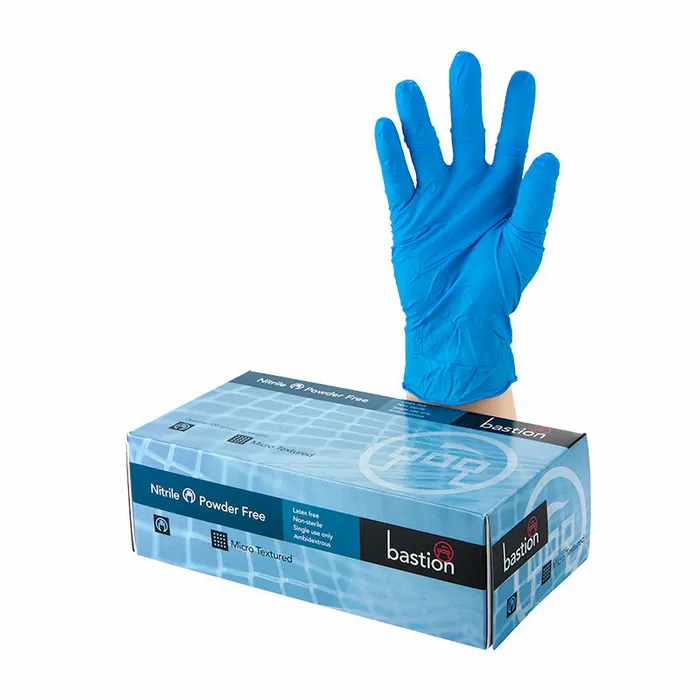
 

Nitrile gloves are a specific disposable glove produced from nitrile, a synthetic rubber. Due to their durability and chemical resistance, they are a preferred option among specialists in the medical and industrial fields. Additionally, nitrile disposable gloves are available in various thicknesses, making them appropriate for a range of jobs. For occupations requiring skill and sensitivity, such as laboratory work and medical operations, thin nitrile gloves are often utilised. Nitrile examination gloves make a good replacement for those sensitive to latex. Unlike latex gloves, composed of natural rubber, nitrile gloves are created of synthetic materials. They do not include any allergen-causing proteins, which makes them powder free disposable gloves. 

The Distinctions Between Nitrile Gloves, Latex, and Vinyl

Disposable gloves come in several varieties, including nitrile, vinyl, and latex, but they are all constructed of various materials. The manufacturer and the intended application of the gloves will determine if extra ingredients including, colours, lubricants, antioxidants, UV stabilisers, and antistatic agents, are included in the synthetic rubber used to make nitrile gloves. Additionally, they can withstand chemicals and punctures better. On the other hand, thick nitrile gloves provide more protection while doing demanding duties like industrial labour and mechanic work. Nitrile gloves may be used in a variety of settings, including hospitals, laboratories, and industrial settings. Additionally, they are often chosen by emergency personnel and first responders.


Vinyl gloves are often the least costly of the three categories and are produced from PVC (polyvinyl chloride). In addition, they are less strong and has better fit than latex or nitrile gloves. Natural rubber is used to make latex, the most flexible and form-fitting of the three kinds of gloves. However, some individuals are allergic to the proteins contained in natural rubber.

What Advantages Can Nitrile Gloves Offer?

What do gloves made of nitrile accomplish differently than others, except what has already been mentioned? Well, nitrile gloves provide various benefits over other kinds of gloves:

  • Puncture Resistance

Nitrile gloves are a wonderful option for medical personnel who want a robust barrier against blood-borne diseases since they are three times more puncture resistant than latex gloves.

  • Chemical Resistance

When industrial workers require protection from chemicals, nitrile gloves are a fantastic option since they can resist the usage of certain chemicals and solvents.

  • Latex-Free

For those sensitive to latex, nitrile gloves are a decent substitute since they are constructed of synthetic materials and don’t contain the protein that might trigger responses. The gloves’ versatility is due to this feature.

  • Versatility

Because nitrile gloves are available in a range of thicknesses, they may be used for many different applications. For occupations that call for dexterity and sensitivity, such as laboratory work and medical operations, thin nitrile gloves are often utilised. On the other hand, thick nitrile gloves provide more protection while doing demanding duties like industrial labour and mechanic work.

  • Variety Of Color And Texture

The availability of nitrile gloves in a variety of colours and textures makes it easier to determine their degree of protection and intended use.

  • Suitable For A Variety Of Settings

Hospitals, labs, and industrial environments are a few where nitrile gloves may be employed. Additionally, first responders and other emergency professionals often choose them.

  • Durability

Nitrile gloves are durable for hand protection because of their strength and puncture resistance.

  • Variety Of Thicknesses

Because nitrile gloves are available in a range of thicknesses, they may be used for many different applications. The extra protection offered by the thick nitrile gloves is beneficial while doing strenuous tasks like industrial labour and mechanic work.

  • Abrasion Resistance

Nitrile gloves are excellent for heavy-duty applications where gloves are vulnerable to damage since they are very resistant to abrasion and tearing.

Components of Nitrile Gloves

What gives the gloves their durability and versatility. The components of the specified gloves include any or all of the following:

  • Fillers: Talc or clay may be applied to nitrile gloves to increase strength and durability.
  • Pigments: Nitrile gloves may be coloured by the addition of pigments, such as dyes or colourants.
  • Lubricants: Nitrile gloves may be made simpler to put on and take off by adding lubricants, such as cornflour.
  • Antioxidants: To shield nitrile gloves from the effects of ozone and other environmental variables, antioxidants like butylated hydroxytoluene may be added.
  • UV Stabilizers: Nitrile gloves may have UV stabilisers added to them to shield them from the harmful effects of ultraviolet radiation.
  • Antistatic Agents: To lessen the buildup of static electricity, which may be dangerous in certain sectors, the component includes antistatic compounds.

Conclusion

Medical and industrial experts often use nitrile gloves because of their strength, chemical resistance, and durability. They come in various thicknesses and colours, making them useful for various activities and sectors, and they are a perfect option for those with latex allergies. Nitrile gloves are a dependable and secure hand-protection solution because they provide a high barrier against chemical exposure and blood-borne infections.


The Foreign Bank Account Report (FBAR) is a form that must be filed with the Financial Crimes Enforcement Network (FinCEN) by U.S. taxpayers with financial interests in or signature authority over foreign financial accounts. 

If you are a U.S. taxpayer with foreign financial accounts, it is essential to understand the basics of FBAR filing with the help of a CPA in Metuchen, NJ. 

What is FBAR, and why is it required?

The FBAR is a tool used by the U.S. government to monitor offshore financial activity and detect potential tax evasion and money laundering. U.S. taxpayers must file an FBAR if they have a financial interest in, or signature authority over, foreign financial accounts. The total value of these accounts exceeds $10,000 at any time during the calendar year. The FBAR is separate from a taxpayer’s federal tax return and must be filed annually by the taxpayer or the person with the financial interest or signature authority over the foreign accounts.

Who is required to file FBAR?

FBAR filing is required for U.S. taxpayers with financial interests in, or signature authority over, foreign financial accounts. This includes individuals, businesses, trusts, and estates. Additionally, U.S. taxpayers who live abroad may also be required to file FBAR if they have foreign financial accounts.

What is considered a foreign financial account for FBAR purposes?

For FBAR purposes, a foreign financial account is any account located outside of the U.S. This can include bank accounts, brokerage accounts, mutual funds, and other financial accounts. It is important to note that the FBAR requirement applies to the total value of all foreign financial accounts, not just the amount in each individual account.

When is FBAR due?

The FBAR is due on April 15th of each year, with an automatic extension available until October 15th. If a taxpayer fails to file an FBAR by the due date, they may be subject to penalties and fines.

What information is required on the FBAR?

The FBAR requires information about foreign financial accounts, including the name of the financial institution, the account number, the type of account, and the maximum value of the account during the year. In addition, the FBAR requires information about the U.S. taxpayer, including their name, address, taxpayer identification number, and signature.

How is FBAR filed?

The FBAR must be filed electronically through the FinCEN portal. The process is relatively straightforward and can be done by the taxpayer or their tax professional.

What are the penalties for failing to file FBAR?

Penalties for failing to file FBAR can be severe and may include fines, penalties, and even criminal charges in extreme cases. The penalties for failing to file FBAR can range from $10,000 per violation to 50% of the balance in the foreign account at the time of the violation.