
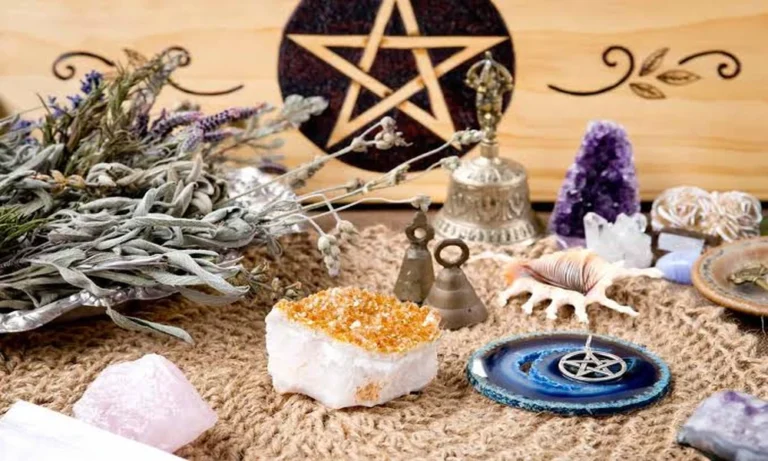
Across many cultures, people have used spiritual rituals to explain events, seek protection, or influence situations they felt were beyond normal control. In this setting, Black Magic is often described as a form of magic linked with secret rituals, spiritual forces, or personal intention. The meaning changes from one culture to another, so it is better understood through history and belief rather than through one fixed definition.
What Traditional Beliefs Say About Black Magic?
Traditional beliefs often connect magic with the idea that unseen forces can affect people and circumstances. Some communities viewed certain rituals as harmful, while others saw similar practices as methods of protection, healing, or spiritual communication. Custom Black Magic Spell Casting may appear in modern discussions, but historical traditions were usually more closely connected to local customs, religious ideas, folklore, and the social role of ritual specialists. The purpose could range from removing a perceived spiritual problem to seeking influence over relationships or uncertain events.
The symbols and methods also differed widely. Words, objects, candles, herbs, markings, prayers, and specific ritual timings could all carry meaning. These elements were important because believers often considered intention and symbolism as central parts of the practice.
How Spell Casting Fits Into Traditional Practices?
Spell Casting is generally understood as the use of spoken words, written formulas, gestures, or symbolic actions with the belief that they can create a desired spiritual effect. Historical examples appear in many societies, although their meanings were not always the same.
Traditional practitioners often followed specific rules about preparation and timing. A ritual might require a quiet place, particular objects, repeated words, or a symbolic action. From a cultural perspective, these details helped create a sense of structure and purpose.
Common elements found in traditional magical practices include:
- Symbols: Objects or signs could represent protection, power, luck, or spiritual forces.
- Words and formulas: Repeated phrases were sometimes believed to focus intention.
- Ritual timing: Certain days, seasons, or phases of the moon could have special meaning.
- Personal objects: Items connected to a person could be given symbolic importance.
- Boundaries and taboos: Practitioners might follow strict rules about what should or should not be done.
Why People Believed These Practices Worked?
Belief in magic was often shaped by the society around the practitioner. When people lacked scientific explanations for illness, sudden misfortune, unusual behavior, or unexplained events, spiritual interpretations could become meaningful.
Rituals could also provide emotional control during uncertain periods. Performing a familiar sequence of actions may have helped people feel prepared when circumstances were difficult. This does not establish that supernatural effects occurred; it shows why such practices could remain culturally important.
Modern Views of Black Magic
Today, views are highly divided. Some people treat these traditions as part of folklore or cultural history, while others continue to hold spiritual beliefs connected with them. Online discussions can also mix historical traditions with modern claims, making it difficult to separate documented customs from newer interpretations.
A careful approach is to consider the cultural setting, the original purpose of a ritual, and the difference between belief and evidence. Practices that are described as supernatural should not automatically be presented as proven facts.
Conclusion
Traditional magic is best understood by examining the beliefs, symbols, and social conditions that shaped it. Rather than treating every claim as fact, a balanced view separates cultural history from supernatural assertions. Magickal Point presents an authority-oriented perspective for readers seeking clearer context around these traditions, their meanings, and the beliefs that continue to surround them.
Frequently Asked Questions
What is Black Magic traditionally believed to mean?
It is commonly described as magic associated with harmful intentions, secret rituals, or attempts to influence people and events through supernatural forces. Its meaning varies across cultures and historical periods.
Is Black Magic part of every culture?
No. Different societies developed different ideas about magic, spirituality, protection, and harmful supernatural practices. Some traditions used categories that do not match the modern term.
Why do people still believe in magical rituals?
Belief can be influenced by family traditions, culture, personal experiences, religion, folklore, and the desire to find meaning or control during uncertain situations.