

Tag

career development

Browsing

Every job involves coordination, yet few professionals truly master it. The ability to plan, delegate, and deliver consistently isn’t just a management skill but the backbone of every efficient workplace. That’s why taking project management courses can do far more than improve your scheduling habits or meeting etiquette. Let’s explore the unexpected rewards that emerge when you learn to lead projects with real structure and confidence.

1. You Start Thinking in Systems, Not Silos

Workplaces can feel like chaos until you see the hidden patterns beneath them. These help you identify those patterns by teaching systematic thinking. You begin viewing projects as interlinked systems rather than isolated tasks.

Instead of reacting to every issue as it arises, you learn to forecast bottlenecks and allocate resources with foresight. The result is smoother workflows and fewer unpleasant surprises. Even if your role doesn’t require formal project leadership, this mindset sharpens how you collaborate, report progress, and make decisions. It’s like finally seeing the blueprint of your daily work instead of just the bricks.

2. You Build Influence Through Clarity

A surprising outcome of project management certification is how it transforms communication. Many professionals underestimate how powerful clarity can be in motivating others. When you can present goals, timelines, and responsibilities in structured formats, people naturally align around you.

Colleagues start seeing you as dependable, and your influence grows without force. You become the person who can translate chaos into actionable plans. Certification frameworks introduce tools like Gantt charts, risk registers, and stakeholder matrices, but the deeper lesson is communication discipline. Every status update, meeting, and deliverable becomes purposeful rather than routine.

3. You Learn to Manage People Without Titles

Titles can open doors, but influence keeps them open. One of the quieter benefits of project management certification is learning how to manage personalities and expectations without relying on authority.

You practise soft skills such as negotiation, empathy, and conflict resolution within realistic scenarios. These lessons extend well beyond office walls. The same tactic used to guide a project team can help you navigate client expectations or even personal collaborations. You start balancing accountability with understanding, which makes teams more willing to follow your lead.

4. You Future-Proof Your Career

Career growth rarely happens in straight lines. Shifts in industries, technology, and company structures mean adaptability is the real advantage. Structured project management courses equip you to adapt quickly by giving you frameworks that fit almost any context, be it construction, marketing, or IT.

This flexibility opens unexpected paths. You might transition from specialist work into consultancy or strategic operations because you understand how to move ideas from concept to completion. The credibility that comes with certification reinforces that you can handle complex outcomes, not just daily tasks. Employers notice that distinction immediately, particularly when opportunities demand leadership readiness.

5. You Learn to Be Calm Amid Pressure

Every project hits turbulence: deadlines slip, stakeholders disagree, budgets stretch thin. What separates the steady from the stressed is process maturity. Project management courses teach risk management and contingency planning as second nature.

When pressure mounts, you know which levers to pull and which problems to park. That composure becomes your quiet signature at work. Over time, you’re seen as someone who brings stability, not tension, into demanding situations. The confidence to make level-headed decisions under pressure might be the most valuable skill you gain because it transfers to every other challenge in life.

Conclusion

The true worth of project management courses lie in how it reshapes how you think, communicate, and adapt. It’s less about memorising frameworks and more about learning structured calm in a fast-moving world. From improved leadership instincts to greater clarity and adaptability, these hidden benefits create long-term value in any career stage.

If you’ve been weighing how to strengthen your professional impact, structured learning may be the turning point.

Contact Avanta Academy to explore courses about project management that help you apply these skills with confidence and real-world relevance.
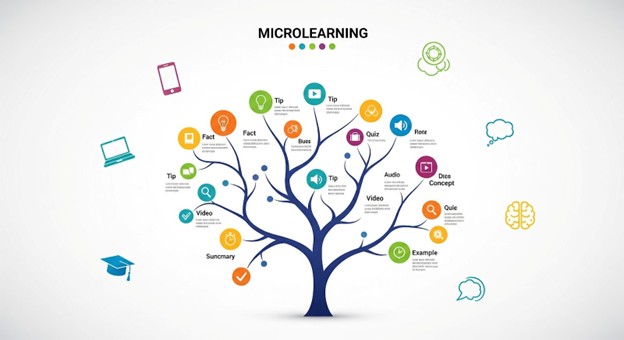


You want to grow in your career, but your time and energy are already stretched. Between work, family, and personal responsibilities, learning can feel like something you’ll get to someday. Many adults feel the same way, which is why more people are exploring flexible options like microlearning to see what fits their goals and their real lives. In this guide, you’ll learn how different study formats support your progress, your confidence, and your long-term development so you can choose the path that matches you best.

Why Does Microlearning Feel Like the Spark You’ve Been Missing?

It’s easy to lose interest when lessons take hours. Short sessions lift that weight by breaking learning into simple, focused steps. You get short learning modules for adults that help you absorb new ideas without feeling overwhelmed. Each session feels achievable, and that sense of progress pushes you forward.

Picture this. You’re waiting for your next meeting or sitting on the train. You open your phone, finish a small lesson, and walk away with something that helps you today. These bite-sized online training lessons give you quick wins that make you feel productive, even on a packed schedule.

This style blends into your day instead of taking over your time. You learn at your own pace and in moments that feel natural. With a smooth mobile microlearning experience, you gain new skills in minutes and feel proud of every step you take.

Can Long Courses Give You the Deep Growth You Crave?

Sometimes you want more than simple steps. You want a full learning path that helps you understand a subject in stronger detail. Long courses guide you through a structured plan that supports deeper study and long-term mastery.

When you commit to a long program, you give yourself time to grow in a steady way. You follow a clear path, build on what you learn, and take on assignments that stretch your thinking. This format works well when you’re preparing for larger responsibilities or want to move toward a higher role.

You also get support from instructors and access to more detailed material. This helps you work through ideas at a pace that feels controlled and purposeful. Long programs fit well with flexible workplace learning routines, giving you structure without taking away the ability to adjust your schedule when needed.

Which Learning Style Fits the Life You’re Living Right Now?

The best learning path is the one that supports your daily reality. If your workdays shift often or your responsibilities pull you in different directions, short sessions may feel easier to maintain. You can pick up a lesson, learn something useful, and return to your tasks with more confidence.

Short lessons also help when you need new skills on the spot. They support rapid digital skills development, which is helpful when your job requires quick adjustments or new knowledge right away. You learn what you need, use it immediately, and stay ready for what comes next.

If you’re preparing for a major change in your career or working toward a certification, long courses may feel more suitable. You follow a step-by-step journey, set aside dedicated time, and move through lessons with a clear purpose in mind. This depth supports goals that require stronger foundations and steady progress.

There’s no single right choice. The right style fits your life, respects your time, and supports the growth you want.

How Do These Methods Shape the Way You Show Up at Work Every Day?

The way you learn influences the way you work. Short lessons help you apply skills right after you learn them, giving you a sense of strength in everyday tasks. You feel prepared, capable, and more confident in the moments that matter.

These small steps also help you build a steady learning rhythm. Over time, this rhythm changes how you see yourself. You’re someone who grows, even during busy weeks. This shift supports your long-term development and helps you stay grounded.

Long courses impact you differently. They give you a strong sense of achievement when you complete them. You finish a structured journey and gain skills that help you take on bigger tasks. This sense of progress improves how you think, decide, and lead.

This section is where you see how microlearning supports continuous upskilling methods, helping you stay ready for new opportunities without disrupting your routine.

Which Path Helps You Feel Stronger, Smarter, and Ready for More?

You deserve a learning path that supports your energy instead of draining it. Short sessions give you quick progress and encourage you to keep going, even when your schedule feels tight. Each lesson builds momentum and strengthens your confidence.

Long courses give you a deeper sense of accomplishment. Completing a full program shows you how far you can go when you commit to something meaningful. That story becomes part of your professional identity and can lead to bigger roles or new opportunities.

You can choose one path or blend both. You might start with short lessons, then move to deeper training when you’re ready. You might also use short sessions to support a long course. Your learning journey is yours to shape, and each step brings you closer to the career you want.

Conclusion: Which One Should You Choose for Your Career?

Both options bring value, and both can guide you toward your goals. Short sessions fit easily into a busy schedule and keep your progress steady, while long courses help you build a stronger foundation for larger ambitions. The right choice is the one that supports your pace, your goals, and your well-being. When chosen with intention, microlearning and long courses can work together to help you grow with confidence and purpose.

Start building your future today with microlearning for steady, meaningful progress.