
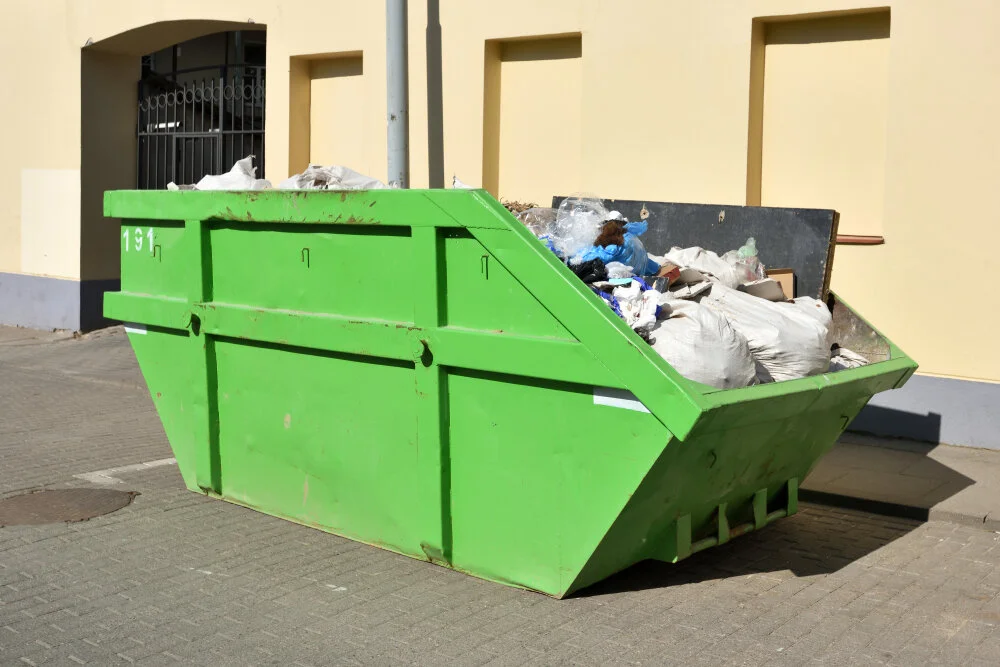
Single-story buildings and ground-level spaces allow the most direct material extraction methods. Crews load items straight from the building entrance into waiting trucks parked a few feet away. This simplicity keeps labor costs down and completion times short. junk hauling in Seattle sees plenty of ground-floor commercial spaces, retail locations, and single-family homes where material removal happens through basic carrying and hand truck use.
Stairway extraction challenges
Buildings with second or third floors but no elevator service present immediate complications. Stairs force crews to carry everything by hand because wheeled equipment doesn’t work on steps. A couch that two workers could easily roll to a truck on ground level now requires four workers to navigate down narrow stairwells. Weight limits become critical on stairs:
- Crews won’t carry items exceeding safe lifting capacity down multiple flights
- Furniture often needs disassembly before stairway transport becomes feasible
- Appliances like refrigerators or washing machines require specialized moving straps
- Mattresses and box springs get compressed or angled through tight stairwell turns
- Construction debris gets bagged or boxed to prevent loose materials on stairs
Time requirements multiply with each floor added. What takes 30 minutes on ground level stretches to two hours when the same materials sit three flights up. Crews schedule fewer jobs per day when stairway work dominates the assignment. Some companies charge premium rates for multi-floor buildings without elevator access because the physical demands and time consumption differ so dramatically from ground-level work.
Elevator use procedures
Elevators simplify vertical material movement, but they also introduce procedural requirements. There are weight limits on elevators. When you’re moving filing cabinets, desks, and office equipment, 2,000 pounds seems like plenty. Elevator use is coordinated with building management to avoid conflicts. Some properties restrict freight movement to specific hours, typically early mornings or late evenings when fewer people need elevator access. High-rise office buildings often require reservation of service elevators for moving operations.
Protective padding goes up inside elevators before any hauling begins. Removal crews wrap elevator walls with blankets or foam panels, preventing scratches and dents from furniture edges or equipment bumping during loading. Building management inspects these protections before allowing work to proceed. Any damage to elevator interiors during removal operations comes out of the hauling company’s pocket through repair charges or insurance claims. Dimension restrictions matter as much as weight limits. An item might weigh well under the elevator capacity, but physically won’t fit through the door or can’t turn inside the cab. Office furniture designed for assembly inside buildings sometimes can’t leave the same way it entered. Crews dismantle these pieces on-site before attempting elevator transport.
Window and exterior hoisting
Window hoisting operations need specific conditions. The building must allow exterior work without violating lease terms or municipal regulations. Street-level clearance must exist for ground crews to receive lowered materials safely. Weather conditions have to cooperate because wind makes exterior lifting dangerous above certain speeds. Equipment requirements include:
- Rated rigging straps capable of supporting item weight plus safety margin
- Pulley systems anchored to building structure at load-bearing points
- Ground-level crash pads protecting materials during the lowering process
- Traffic control measures when hoisting occurs over sidewalks or streets
- Spotter personnel coordinating between the window crew and the ground receivers
Some cities require permits for exterior hoisting operations in commercial districts. Insurance requirements increase because the liability exposure from dropping materials onto public areas below is substantial. Not all removal companies maintain the equipment and training for window extraction, so the availability of this service varies by market.

Comments are closed.