
Category

Sports

Category

Padel is social by design. Fast, tactical, and doubles-based. But there is one challenge that every new player grapple with early on: finding people to play with regularly.

No matter if you’re a beginner taking up the sport through this article or coming back to padel after years of not playing, it doesn’t have to be awkward or hard to find padel partners. You only need to know where to look and how to connect.

Start Where the Game Happens

The most apparent idea is also the best. People who already love padel − or whose life mission is to like it just a little bit more − spend their days at a padel court.

Courts are natural hubs. People warm up together. They chat between games. They swap details.

If your neighborhood club has designated session times, leagues, or open play blocks, be there regularly. The known faces of new people turn into playing partners in a hurry.

Use Club-Led Social Sessions

There are so many places around town that have organized social play nights now. Sessions were supposed to be the ones that mixed players of roughly similar levels and forced interaction.

Benefits include:

  • Balanced pairings
  • Relaxed, friendly atmosphere
  • Easy introductions without pressure

For people who want to try padel tennis Melbourne, this is one of the quickest ways you can network.

Ask the Coaches and Staff

This step is underrated. Coaches know everyone.

They know who plays regularly, who is looking for matches and who needs partners. A discreet word to the staff can result in introductions you’d never arrange yourself.

Let them know:

  • Your skill level
  • Your preferred days or times
  • Whether you’re into casual or competitive play

At padel tennis Melbourne venues, the staff are generally interested in helping to build the community.

Join Local Padel Groups Online

Padel communities are buzzing online, particular in emerging markets.

Look for:

  • Facebook groups
  • WhatsApp or Telegram chats
  • Social court booking apps

Such groups frequently have posts as:

  • “Looking for two tonight”
  • “Anyone up for a social hit?”

One reply can generate long-term play partners.

Be Clear About Your Level

This saves everyone time. Padel is more exciting when the levels are equal.

You don’t need fancy rankings. Just be honest:

  • Beginner
  • Intermediate
  • Competitive

Clear expectations result in smoother game play and less frustration. This is particularly crucial in buzzing padel tennis Melbourne scenes where court access can be in demand.

Book First, Then Invite

Don’t wait for partners to appear.

  • Book a court and post:
  • Time
  • Location
  • Level required

Players are much more likely to commit when the court is already obtained. This system is particularly useful in high demand padel court venues where slots fill up quick.

Play Tournaments and Ladders

Even little social events can be gold for networking. You rotate partners. You encounter players from other clubs. You get to see how people really play.

Why tournaments help:

  • Instant shared experience
  • Natural follow-up for future games
  • Easy conversation starters

At least one casual event is how many players who now have weekly games met.

Be the Player They WANT to Call

This part matters.

Good partners aren’t just skilled. They are consistent, and they never make you work too hard.

Make yourself valuable by:

Those are the kind of people communities form around. These social aspects are also emphasised by brands that have a stake in the sport because this is what keeps people coming back.

The Bottom Line

Padel is meant to be shared. If you’re having trouble finding partners, it’s not because there aren’t any. It’s because you haven’t met − yet.

Then start learning on, and off, the padel court, through social sessions and relying on staff. If you’re new to padel tennis in Melbourne or already addicted, you can find the best partners right at your doorstep easily.
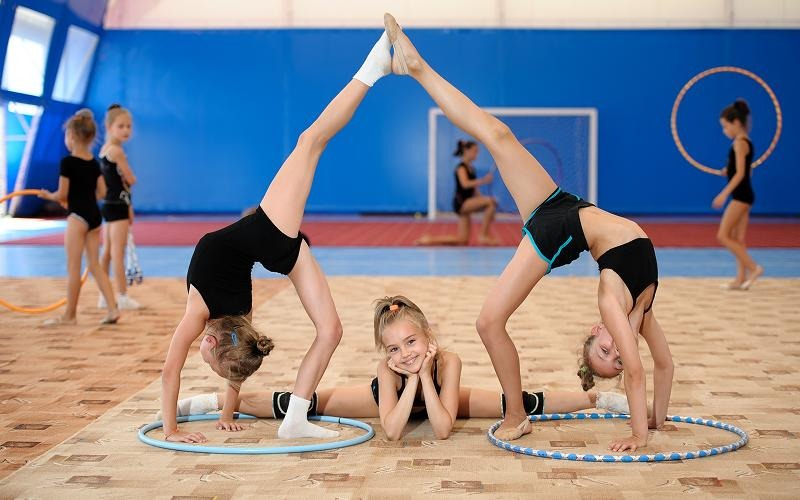

Raising children in Singapore comes with a list of choices on how to balance academics, hobbies, and health. Many parents look at enrichment classes and wonder which ones provide real value. Gymnastics for kids in Singapore has become one of those activities that looks both exciting and slightly intimidating when you check the fees. The good news is that there are ways to let children join without burning through savings.

Here are practical tips that make the experience achievable and worthwhile.

Start with Trial Sessions

Before committing to long-term programmes, see how your child responds in a short setting. A gym trial usually lasts one class or a few weeks and provides a low-risk way of checking interest. It also helps parents assess the teaching style and safety measures in place. By testing the waters, you avoid paying up front for something your child may not enjoy.

Compare Neighbourhood Venues

Not every facility in Singapore charges the same. Some are located in prime areas with higher rent, which often translates into higher class fees. Look around community clubs, schools, or smaller centres that might offer similar quality coaching for less. A little research across districts could save a surprising amount.

Choose the Right Frequency

Parents sometimes sign up for multiple weekly classes, thinking progress will be faster. Children, however, need rest and variety. Attending once a week may be enough to build coordination and confidence without stretching the family budget. This approach also leaves room for other activities your child might enjoy.

Look Out for Bundled Offers

Many centres introduce package deals during school holidays or at the start of new terms. Bundled options reduce the per-class cost and sometimes come with sibling discounts. If you have more than one child interested, check whether there are flexible family deals. Small savings each term add up to a sizeable amount across the year.

Join Parent Networks

Parents in Singapore are known to share tips through community chats and online groups. These spaces often highlight promotions, recommendations, and upcoming events. Engaging with other parents may lead you to discounts or hidden opportunities, including the occasional free gym trial.

Balance Gymnastics with Home Activities

The energy children spend in class can be reinforced at home with small practices. A few stretches, balance games, or simple routines on the living room floor help them progress between sessions. By building confidence outside the studio, you may feel comfortable sticking to fewer paid lessons without slowing development.

Prioritise Safety over Add-ons

Some centres highlight extras like branded uniforms, advanced equipment, or themed sessions. While these can be fun, they are not essential for younger learners. Focus on a programme that provides safe mats, careful supervision, and structured teaching. Cutting out unnecessary extras keeps the cost in check while still delivering what matters most.

Be Flexible with Timings

Peak hours, such as weekend mornings, usually fill quickly and cost more. If your schedule allows, consider weekday afternoon slots. The class size might be smaller, and the rates are sometimes reduced. Flexibility can be one of the simplest ways to stretch your budget further.

Explore Community Programmes

Sports councils and neighbourhood groups sometimes run classes at subsidised rates. These community programmes may not be as flashy as private academies, but they provide a strong introduction to the sport. They also encourage children to mingle with peers from different backgrounds, which keeps the atmosphere light and supportive.

Think Long-Term Commitment Carefully

As children grow, interests shift. Some may move from gymnastics to swimming, football, or dance. Keeping your enrolment flexible prevents wasted months of prepaid lessons. Check centres that allow pay-per-term or have refund policies, giving your family space to adjust without major losses.

Gymnastics can provide children with strength, balance, and discipline, but it does not need to be financially draining. By trying out shorter sessions, checking community options, and reinforcing skills at home, parents can manage costs while still giving their child a rewarding experience. The key lies in smart choices rather than large outlays. Parents exploring gymnastics for kids in Singapore can find options that suit both the child’s energy and the family’s budget.

Contact BearyFun Gym to learn more about trial sessions and affordable packages that make gymnastics accessible for your child.

Golf in Singapore remains a growing interest for enthusiasts of all skill levels. However, with limited course availability and steep membership costs, more players are turning to home and commercial golf simulators as a substitute. Before investing in one, it’s essential to examine if a golf simulator meets your practice needs and lifestyle.

Understanding Golf Simulators and What They Offer

Golf simulators replicate real-world golfing using sensors, projectors, and software. Users swing real clubs and hit real balls into a screen, which uses data to simulate flight, spin, and trajectory on a virtual course.

Modern simulators go beyond entertainment. They deliver launch data, club path tracking, ball spin analysis, and weather simulation. With indoor settings, players practise full swings or putting regardless of the weather.

Simulators support structured training. Tracking metrics helps monitor progress over time. Users adjust technique with instant feedback. Lessons become more focused when paired with data-driven insights.

Singapore’s weather and urban constraints make these systems attractive. Access to green space remains limited. Simulators provide a flexible, all-season solution for maintaining form.

Comparing Simulators with Traditional Golf in Singapore

Golf in Singapore involves significant planning. Tee times book fast. Weekends fill up quickly. Driving range sessions require travel and wait time. In contrast, simulators allow spontaneous practice.

Memberships in Singapore come with high initiation and monthly fees. Factoring in travel, dining, and equipment costs, the overall outlay rises. Meanwhile, a golf simulator provides long-term access for a one-time setup cost.

Players who struggle with heat or rain benefit most. Indoor training offers comfort and consistency. This enables more frequent practice, improving muscle memory and precision.

Still, simulators can’t replicate course conditions fully. Factors like wind direction, rough texture, and lie depth vary in real life. Competitive players should still pair simulator training with outdoor play.

Cost Breakdown: Is the Investment Justified?

Golf simulator costs in Singapore depend on system complexity. Entry-level setups start around SGD 3,000. Premium systems reach SGD 30,000 or more. Prices include hardware, installation, and software licenses.

Users must also consider space. A full simulator setup needs 3–4 metres of width and ceiling height for safe swinging. Rent or renovation may add to the cost for HDB or condominium owners.

Despite upfront expenses, regular players save in the long run. A full 18-hole round in Singapore may cost SGD 100–200, depending on the club. Avid golfers recoup simulator value in a few years with consistent use.

Corporate venues or golf instructors also gain commercial value. Simulators serve clients without outdoor scheduling. Players seeking improvement and consistency view the investment as practical rather than indulgent.

Practical Use Cases for Casual and Competitive Golfers

Beginners use simulators to learn the basics in a controlled setting. Repetitive drills without social pressure improve comfort. Understanding club impact and posture becomes easier with visual and statistical feedback.

Intermediate players analyse swing flaws more precisely. Club speed, face angle, and spin metrics reveal habits not visible on the range. Slow-motion playback supports deeper technical correction.

Competitive players rehearse course layouts virtually. Simulators replicate top international courses. Strategic planning improves when players practise holes in advance.

Time-crunched individuals benefit most. Sessions last 30–60 minutes. No travel or course wait time needed. Daily practice becomes manageable for working adults or parents balancing schedules.

Drawbacks to Consider Before Committing

Despite benefits, simulators present limitations. The hitting feel differs from turf. Without rough, sand, or uneven lies, players risk overestimating their readiness for real play. Practising solely indoors may reduce adaptability.

Initial cost deters occasional players. Those golfing less than once a month may not gain enough value. Maintenance costs also apply. System updates, part replacements, and projector repairs require budget planning.

Visual realism varies by brand. Some low-end units lack sharp projection or detailed graphics. Subpar realism limits user engagement and learning depth.

Without discipline, players may treat it as a gaming device. Maximising simulator value requires goal-setting and routine. Passive swinging without feedback review weakens its return on investment.

Final Verdict: Are Golf Simulators Worth It?

Golf simulators offer structured, repeatable practice in a compact, weatherproof format. For regular players, the investment delivers consistent skill growth and convenience. Singapore’s course limitations, weather unpredictability, and high club fees make simulators a viable substitute or supplement to traditional play.

However, value depends on usage. Occasional players gain less. Space and setup constraints must be resolved in advance. Simulators work best as part of a hybrid strategy—combining data-driven indoor training with periodic on-course application.

Assess your frequency, goals, and budget. If you play more than once weekly or aim for measurable progress, a simulator pays off. For others, occasional lessons or shared facilities might suffice.

Thinking of stepping up your golf experience? Contact clubFACE to explore quality golf simulators and unlock more ways to enjoy golf in Singapore—rain or shine.