Category

Pet

Category

My dog just won’t listen!” It’s the frustrated rant of countless dog owners when they see their pet jump on guests, pull relentlessly on the leash, or treat the living room rug like a fire hydrant. When basic commands fail, and bad habits persist, barking nonstop or ignoring commands can quickly become a stressful habit. This is where a dog trainer comes in. 

A dog trainer is a professional who understands how dogs learn, communicate, and behave. Their role is not just to teach dogs commands, but also to teach owners how to guide their dogs the right way. Dog training is about building trust, clear communication, and good habits. A dog trainer uses proven methods to help dogs learn new behaviors while keeping training positive and effective. This article explains who a dog trainer is and how they help dogs learn better behavior step by step.

Who Is a Dog Trainer

A dog trainer is someone trained to understand canine behavior and learning patterns. They work with dogs of all ages, breeds, and temperaments. Some trainers focus on basic obedience, while others specialize in behavior issues like aggression or anxiety.

A good dog trainer doesn’t just work with the dog. They also teach the owner. This is important because dogs spend most of their time with their owners, not the trainer. By teaching owners how to communicate clearly, trainers help create effective results.

How Dogs Learn New Behaviors

Dogs learn through repetition, rewards, and clear signals. A dog trainer understands how to use these tools in the right way. Instead of forcing a dog to behave, trainers guide dogs toward the right actions and reward them when they succeed.

Timing is important. Rewards must come immediately so the dog connects the behavior with the outcome. Over time, the dog learns what actions lead to praise or treats and begins to repeat them naturally. 

Training Methods Used by Dog Trainers

Most modern dog trainers use positive reinforcement. This method focuses on rewarding good behavior instead of punishing bad behavior. Rewards can include treats, praise, toys, or playtime. Some trainers also use structured routines and clear boundaries to help dogs feel secure. Training sessions are usually short and focused, so dogs don’t get overwhelmed.  

Teaching Owners with Dogs

One of the most important parts of a dog trainer’s job is teaching the owner. Trainers show owners how to give commands, use rewards correctly, and stay consistent. Many behavior problems happen because dogs receive mixed signals at home. A dog trainer helps fix this by creating clear rules and routines. When owners understand what to do, dogs learn faster and behave better in everyday situations.

When Working With a Dog Trainer Helps Most

A dog trainer provides guidance, structure, and support that make training easier and more effective. While any dog can benefit from training, some situations especially call for a professional dog trainer. These include aggressive behavior, fear, anxiety, excessive barking, or leash pulling. Early training is also helpful for puppies, as it sets good habits from the start. Even older dogs can learn new behaviors with the right approach. 

Pets can experience bone, joint, and muscle issues just like humans. These problems can affect their comfort, movement, and overall well-being. When your pet starts limping, showing stiffness, or struggling to walk, it might be time to visit an orthopaedic vet. In Singapore, specialised veterinary care has advanced significantly, with modern facilities and trained experts available to treat such conditions. Understanding when to seek this support can make a major difference in your pet’s quality of life.

Recognising Signs of Orthopaedic Problems

The first step in ensuring proper care is identifying when your pet might be in discomfort. Some signs include reluctance to move, visible swelling, or unusual posture. Pets may also show behavioural changes such as irritability when touched. These symptoms can indicate bone fractures, ligament injuries, or joint diseases like arthritis. Early diagnosis is essential, as untreated orthopaedic conditions can worsen over time. A trusted pet hospital in Singapore usually conducts physical examinations and imaging tests to pinpoint the problem accurately.

Understanding the Role of an Orthopaedic Vet

An orthopaedic vet specialises in diagnosing and treating musculoskeletal issues in animals. Their expertise extends to fractures, dislocations, and degenerative joint diseases. These professionals use a combination of clinical assessments and advanced imaging, such as X-rays or CT scans, to identify the root cause. In many cases, they collaborate with physiotherapists and rehabilitation specialists to support recovery. Seeking help from an orthopaedic specialist ensures your pet receives focused and accurate treatment.

Conditions Treated by Orthopaedic Vets

Orthopaedic veterinarians address a wide range of conditions affecting mobility and comfort. These include hip dysplasia, cruciate ligament injuries, and patellar luxation, which are common in dogs. Cats may experience fractures or joint inflammation from accidents or ageing. Surgery may be required for severe cases, while milder conditions can be managed with medication and physiotherapy. A qualified orthopaedic vet tailors the treatment plan to match the severity of the injury and the pet’s age, weight, and lifestyle.

Importance of Specialised Diagnostics

Accurate diagnosis plays a vital role in orthopaedic treatment. At a pet hospital in Singapore, diagnostic tools like digital radiography, CT scans, and arthroscopy are used to assess bone and joint structures. These technologies provide detailed images that help the vet plan effective surgical or non-surgical interventions. Blood tests and mobility assessments are sometimes conducted to identify underlying issues, such as infections or muscle weakness. This level of precision allows for targeted treatments that enhance recovery outcomes.

Treatment Options and Surgical Care

Depending on the diagnosis, treatment can vary from conservative management to advanced surgery. In mild cases, weight management, joint supplements, and physiotherapy help restore normal movement. Severe injuries or deformities may require surgical correction. Orthopaedic vets perform procedures such as fracture fixation, joint stabilisation, or ligament reconstruction to restore mobility. Post-surgical rehabilitation is equally crucial, as it strengthens muscles and ensures long-term stability.

Rehabilitation and Physical Therapy

Rehabilitation plays a significant role in an orthopaedic patient’s recovery. After surgery or treatment, pets undergo exercises designed to rebuild strength and improve flexibility. Hydrotherapy, treadmill sessions, and stretching routines are common practices in rehabilitation centres. The orthopaedic vet monitors progress closely to ensure safe and gradual improvement. This stage of recovery helps prevent complications and reduces the risk of re-injury, promoting a full return to mobility.

Preventive Care for Long-Term Health

Preventive care is key to maintaining your pet’s musculoskeletal health. Regular check-ups, a balanced diet, and maintaining a healthy weight reduce stress on bones and joints. For active pets, controlled exercise and proper footwear can minimise strain. Pet owners should observe their animals for early signs of discomfort and schedule timely visits to the vet. Prevention reduces the likelihood of major injuries and ensures that pets remain active and pain-free as they age.

Learn More: What is Fear-Free?

Choosing the Right Orthopaedic Vet

Selecting a skilled and experienced orthopaedic vet ensures your pet receives proper care from diagnosis to recovery. When looking for a specialist, verify their qualifications and experience in handling orthopaedic cases. A reputable pet hospital in Singapore will have certified specialists, modern facilities, and comprehensive support services. Trustworthy vets communicate clearly, explaining every step of the process so owners can make informed decisions. Building a relationship with a reliable veterinary clinic ensures continuity of care for your pet’s long-term health.

Supporting Your Pet Through Recovery

Recovery requires patience, consistency, and close monitoring. Following the vet’s recommendations, providing a safe space for rest, and adhering to medication schedules are essential. Gentle encouragement and emotional support also contribute to a smoother recovery process. Working closely with your orthopaedic vet ensures that your pet regains strength and comfort safely. With proper care, most animals return to an active lifestyle after treatment.

For more information about pet orthopaedic treatment, contact Paws N’ Claws today.

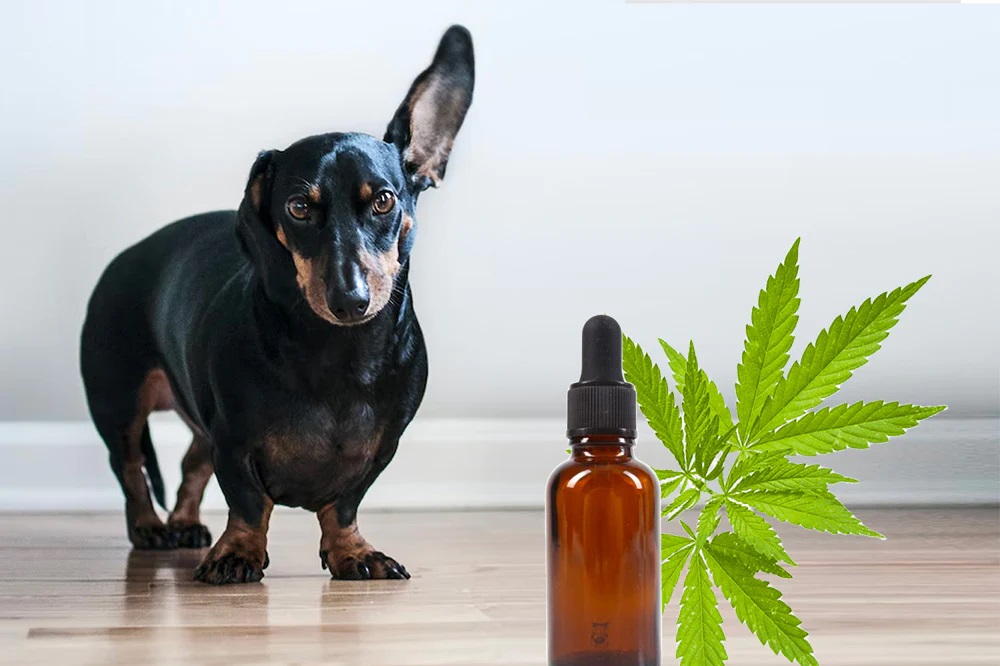
With the rising popularity of CBD oil for dogs, there’s a corresponding surge in myths and misconceptions about this natural supplement. Navigating through the abundance of online information and hearsay makes it difficult to discern truth from fiction.

  1. CBD oil will get your dog high

Misconceptions about CBD oil for dogs often revolve around the unfounded belief that it induces a “high” or intoxication akin to marijuana. This misunderstanding arises from the shared origin of CBD and THC, both compounds derived from the cannabis plant.

It’s essential to recognize that CBD oil products tailored for pets are derived from hemp plants, which contain minimal THC levels (less than 0.3% as mandated by law). This minute THC content isn’t sufficient to induce any psychoactive effects in dogs or humans. Trusted CBD oil manufacturers subject their products to thorough third-party testing to guarantee they are devoid of THC, ensuring the safety of your beloved pet.

  1. CBD oil is a cure-all

While CBD oil has shown promise in addressing a wide range of issues in dogs, from pain and inflammation to anxiety and seizures, it’s important to approach it with realistic expectations. CBD oil is not a miracle cure-all or a substitute for traditional veterinary care. Like any supplement or medication, CBD oil works best when combined with a holistic approach to your dog’s health, which includes a balanced diet, regular exercise, and appropriate medical treatment for any underlying conditions. It’s essential to work closely with your veterinarian to determine if CBD oil is appropriate for your dog’s specific needs and to monitor their progress.

  1. All cbd oil products are created equal

Not all CBD oil products are created equal, and the quality can vary significantly between brands and manufacturers. Some companies prioritize quality and transparency, while others may cut corners or make false claims about their products. When selecting a CBD oil for your dog, it’s crucial to do your research and look for products that are third-party tested, sourced from high-quality hemp, and free from harmful additives or contaminants. Additionally, reputable brands will provide detailed information

  1. CBD oil is illegal for dogs

The legal status of cbd oil for dogs is confusing, as regulations vary from state to state and country to country. In some countries, the 2018 Farm Bill legalized the cultivation and production of hemp at the federal level, provided that the THC content remains below 0.3%. However, some states may have additional restrictions or regulations regarding the sale and use of CBD products, including those intended for pets. It’s important to research the laws and regulations in your area to ensure you are operating within legal boundaries.

  1. CBD oil is expensive and inaccessible

While high-quality, reputable CBD oil products may come with a higher price tag than some other supplements, it’s important to consider the potential long-term benefits and cost savings they may offer. By addressing underlying issues like pain, anxiety, or seizures, CBD oil could potentially reduce the need for more expensive medications or veterinary visits down the line. Additionally, as the CBD market continues to grow and become more mainstream, prices are becoming more accessible for pet owners. Many brands offer subscription services or bulk discounts, making it easier to incorporate CBD oil into your dog’s routine without breaking the bank.