Category

Home

Category

The topographies of Texas support a wide range of crawling creatures that thrive in warm, sheltered spaces. Among them, the redheaded centipede draws attention due to its vivid appearance and unsettling movement. Awareness of this species helps property owners respond quickly and avoid unnecessary stress.

Homes provide moisture, darkness, and warmth that attract a texas redheaded centipede. Encounters usually happen unexpectedly, which leads to concern and confusion. Clear knowledge about traits and warning signals guides homeowners toward timely professional help.

Physical Traits That Make Texas Redheaded Centipedes Distinct

Texas redheaded centipedes display a striking combination of color and structure. A deep reddish head contrasts sharply with a darker segmented body, which creates immediate recognition. Numerous slender legs extend from each segment, which support fast and fluid movement.

Body length ranges from several inches to nearly half a foot in mature specimens. Flattened bodies allow easy access through narrow cracks and gaps. This physical adaptability explains their ability to appear in areas thought to be sealed.

Habitat Preferences and Indoor Entry Patterns

These centipedes favor damp outdoor environments such as leaf piles, soil, and decaying wood. Heavy rain or extreme heat drives them toward sheltered structures. Basements, bathrooms, and laundry spaces provide ideal indoor conditions.

Entry points usually include foundation cracks, door thresholds, and utility openings. Poor drainage near walls increases attraction. Professional assessment identifies these access routes and reduces recurring appearances.

Behavioral Characteristics That Concern Homeowners

Texas redheaded centipedes exhibit nocturnal activity and remain hidden during daylight hours. Sudden sightings at night cause alarm due to their speed and size. Defensive behavior includes a painful bite when threatened or handled.

Aggression toward humans remains rare, yet accidental contact leads to discomfort. Presence inside living areas signals environmental suitability. Such behavior indicates a need for expert evaluation.

Health and Safety Concerns Linked to Centipede Activity

Bite Reactions and Associated Risks:

  • Bites cause localized pain, redness, and swelling.
  • Sensitive individuals may experience prolonged irritation.
  • Secondary infection risk increases without proper care.

Medical emergencies remain uncommon, yet discomfort disrupts daily routines. Children and pets face higher exposure due to curiosity. Prompt professional action reduces these safety concerns.

Psychological Impact on Residents:

  • Repeated sightings create anxiety and sleep disruption.
  • Fear responses intensify with unexpected movement.
  • Reduced comfort affects overall living quality.

Mental unease matters as much as physical safety. Peace of mind improves once infestations receive proper attention. Reliable extermination restores confidence within the home.

Signs That Indicate a Growing Centipede Problem

Single sightings may seem minor, yet patterns reveal deeper issues. Frequent encounters in similar locations suggest established hiding zones. Discovery of shed exoskeletons signals ongoing growth cycles.

Moisture problems amplify these signs. Persistent dampness attracts prey insects, which sustain centipede populations. Professional inspection confirms scope and severity.

Why Professional Exterminators Provide Effective Solutions

Exterminators bring specialized knowledge of centipede behavior and habitat needs. Treatment plans focus on moisture control, exclusion, and targeted application. Safe products protect residents while addressing infestation sources.

DIY attempts fail to resolve underlying conditions. Experts deliver lasting relief through structured methods. Consistent monitoring prevents recurrence and supports long-term comfort.

Preventive Measures Recommended After Professional Treatment

Maintenance plays a crucial role after an extermination procedure. Sealing cracks, improving ventilation, and managing yard debris reduce attraction. Drainage adjustments near foundations limit moisture buildup.

Professional guidance supports these efforts with practical advice. Regular checkups ensure early detection of new activity. Prevention strengthens the effectiveness of expert intervention.

A texas redheaded centipede presents clear visual traits and behaviors that demand attention. Repeated sightings, bites, or moisture issues signal the need for professional exterminators. Timely action protects comfort, safety, and peace within the hom

Homes often carry layers of unused items that slowly limit daily movement. Crowded storage corners reduce clarity while affecting focus. Space works best when every area serves a clear purpose. Thoughtful planning brings order without stress or rushed decisions. Proper sorting supports safer movement across rooms. Early support through junk removal in dallas tx helps align living areas toward long-term usability while preparing the foundation for every section discussed ahead.

Creating Purpose-Driven Living Zones

Rooms function better when each zone follows a clear role. Removing excess allows natural light to flow freely. Open layouts improve movement without effort. Clean zones encourage consistent upkeep habits. Purposeful spaces support calm daily routines.

  • Clear floor areas support safer walking patterns across all rooms
  • Open surfaces improve airflow while reducing visual pressure
  • Defined zones help family members respect shared boundaries
  • Simplified layouts reduce daily cleaning time significantly

This approach supports smoother living patterns over time.

Organizing Material Flow Thoughtfully

Material movement requires planning before removal begins. Items should follow a logical exit process. Sorting prevents regret later. Thoughtful flow reduces repeated handling. Calm pacing supports better decisions.

Reducing Structural Stress Indoors

Heavy storage adds pressure on flooring systems. Long-term weight buildup affects durability. Removing unused items reduces strain. Lighter interiors improve safety. Structural balance supports longevity.

How Does Planned Decluttering Improve Daily Living?

Well-planned removal improves movement clarity throughout the home. Fewer obstacles reduce stress during busy hours. Storage becomes easier to manage.

Mental focus improves when surroundings remain open. Emotional comfort grows naturally. Planned decluttering supports balanced routines without disruption.

Enhancing Storage Efficiency Gradually

Storage works best when it holds active items only. Rotational sorting supports clarity. Shelves remain visible. Access becomes faster. Gradual changes prevent overwhelm.

Supporting Safer Indoor Navigation

Clear paths reduce trip hazards. Furniture placement improves flow. Entry points stay accessible. Emergency movement becomes easier. Safety improves quietly.

Preparing Homes for Future Changes

Flexible spaces adapt better over time. Clean layouts allow updates. Repairs become simpler. Redesign feels less costly. Planning supports long-term readiness.

Coordinating Responsible Removal Services

Removal planning benefits from organized execution. Proper handling avoids damage. Timed scheduling limits disruption. Support through junk removal in dallas tx helps maintain order during transitions.

  • Scheduled pickup avoids prolonged clutter buildup inside rooms
  • Proper sorting separates reusable materials responsibly
  • Safe lifting practices protect interior surfaces effectively
  • Clear exit routes prevent accidental wall damage
  • Organized staging areas improve efficiency during removal
  • Reduced handling lowers fatigue during extended cleanouts
  • Responsible disposal supports environmental care practices
  • Structured removal reduces emotional strain significantly

This coordination preserves interior condition while easing transitions.

Comparing Planning Stages and Outcomes

Careful planning improves results across all stages. Each phase plays a role in lasting improvement.

Planning Stage Focus Area Outcome Benefit
Initial review Space awareness Clear priorities
Sorting phase Item purpose Reduced excess
Removal phase Safe handling Protected interiors
Reorganization Layout balance Improved flow
Maintenance Habit building Long term order

A Clear Path Forward

Living areas perform best when space supports daily needs. Thoughtful planning reduces stress quietly. Consistent organization builds confidence. Proper removal protects the structure. Transforming residential spaces through strategic decluttering and material removal planning offers a clear method to regain balance through careful choices that support comfort and lasting order.

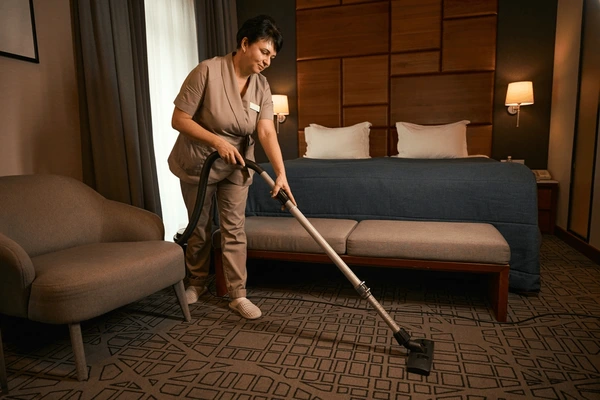
The women and men who make hotel cleaning services possible in Singapore arrive before dawn, often travelling from the city’s periphery to central districts where gleaming towers promise luxury and comfort to guests who will never know their names. These workers carry with them not just supplies and equipment, but an intimate knowledge of what transforms an empty room into a space worthy of rest, what elevates a bathroom from merely functional to genuinely welcoming. Their labour, largely invisible to those who benefit from it, represents the foundation upon which Singapore’s hospitality industry has built its global reputation for excellence. Without professional hotel cleaning services, the promise of five-star comfort dissolves into disappointment, and the entire edifice of premium accommodation collapses.

The Physical Reality of Premium Housekeeping

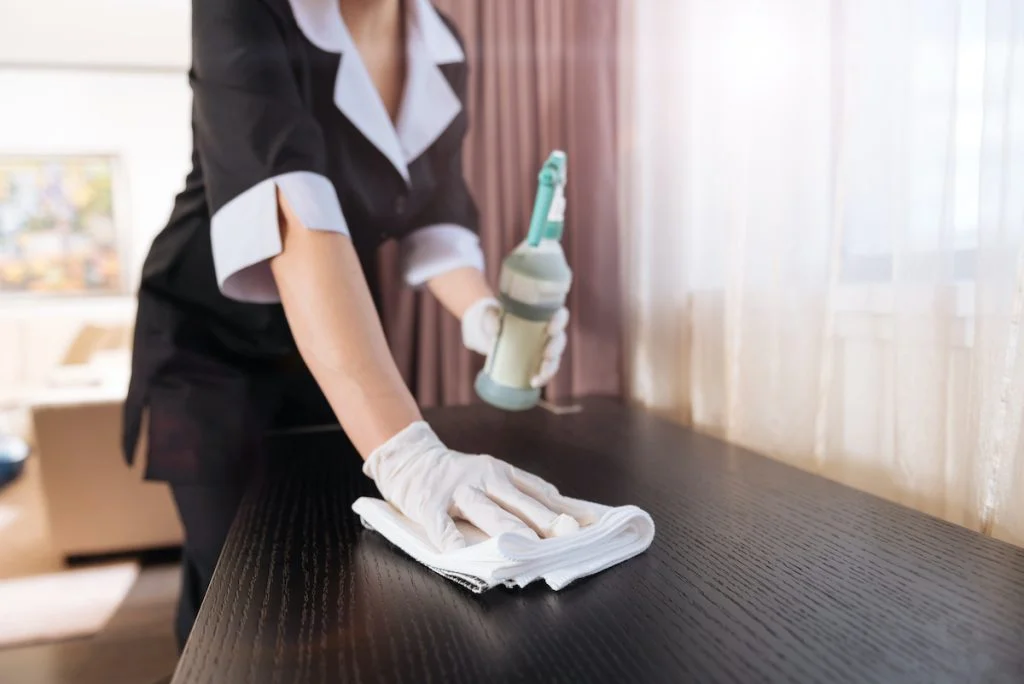
Walk into any Singapore hotel room and you encounter the result of systematic, physically demanding work. Industry standards reveal that housekeepers typically complete sixteen rooms per shift, a figure that sounds manageable until you calculate what it means in practice. Each room requires approximately thirty minutes of concentrated effort, which translates to continuous movement, bending, lifting, and detailed attention across an eight-hour day with minimal respite. The work encompasses bed-making to exacting specifications, bathroom sanitization that meets health regulations, floor care across multiple surface types, furniture dusting and polishing, amenity restocking, and quality checks that catch defects before guests notice them.

Professional hotel cleaning services understand what this labour demands. Training programmes must prepare workers for the physical intensity whilst instilling standards that guests unconsciously expect. As one industry observer notes, housekeepers complete over 200 hours of hotel-grade training to deliver results you can count on, a significant investment that reflects both the complexity of the work and the consequences of failure in hospitality environments where reputation hinges on consistency.

Standards, Compliance, and Professional Frameworks

Singapore’s hospitality sector operates within regulatory frameworks designed to protect both workers and guests. Hotel cleaning services must navigate multiple compliance requirements including health and safety standards, chemical handling protocols, and increasingly, sustainability benchmarks. The Singapore Standards Council has established guidelines that professional services follow, with SS 694:2023 compliance aligning services with guidelines for cleaning performance.

These frameworks serve important purposes beyond bureaucratic necessity. They establish minimum acceptable conditions, create accountability mechanisms, and ensure that the pressure to reduce costs doesn’t compromise either worker safety or guest wellbeing. Professional hotel cleaning services operating within these parameters provide:

  • WSQ-certified staff trained in proper cleaning techniques and safety protocols
  • NEA licensing ensuring regulatory compliance and industry accountability
  • Bizsafe certification demonstrating commitment to workplace safety standards
  • Detailed checklists guaranteeing consistent quality across all service areas
  • Regular supervision and quality assurance monitoring work outcomes
  • Insurance coverage protecting both workers and clients from liability

The Economics and Ethics of Outsourcing

Many Singapore hotels now outsource housekeeping operations to specialized providers, a trend driven by labour market realities and operational considerations. The arrangement offers hotels flexibility to scale operations according to occupancy whilst transferring recruitment, training, and management responsibilities to experienced contractors. For hotel cleaning services providers, the model creates employment opportunities whilst demanding efficiency and quality maintenance across multiple client properties.

This outsourcing relationship, however, carries ethical implications that deserve consideration. Workers employed by third-party hotel cleaning services may experience different conditions than direct hotel employees, potentially affecting wages, benefits, job security, and career advancement opportunities. Responsible hotels and cleaning services providers recognize these concerns and work to ensure that outsourcing arrangements don’t simply transfer costs onto workers who can least afford to bear them.

Guest Experience and Worker Dignity

The hospitality industry correctly emphasizes guest satisfaction as its primary metric, yet this focus sometimes obscures the human dimensions of service work. Every pristine bathroom, every perfectly made bed, every gleaming lobby represents someone’s labour, skill, and attention. Professional hotel cleaning services bridge this gap by treating housekeeping work as skilled labour deserving respect rather than menial tasks requiring mere effort.

The connection between worker conditions and service quality runs deeper than many realize. Hotels expecting excellence from housekeeping staff must provide the tools, training, time, and compensation that make excellence achievable. Rushed workers cutting corners to meet unrealistic quotas cannot deliver the standards that distinguish premium hospitality from budget accommodation. As Singapore’s tourism sector emphasizes its commitment to world-class experiences, that commitment must extend to those whose work creates those experiences.

Training, Professionalism, and Career Pathways

Professional hotel cleaning services invest substantially in workforce development, recognizing that skilled housekeepers represent competitive advantage. Training programmes cover technical skills including proper chemical use, equipment operation, and surface-appropriate cleaning methods. Equally important are the interpersonal dimensions: discretion, guest interaction protocols, problem-solving, and the professional bearing expected in premium hospitality environments.

For workers, these training opportunities can represent pathways to better employment conditions and career progression. Experienced housekeepers may advance to supervisory roles, training positions, or operations management within hotel cleaning services providers. The industry’s growth creates opportunities, though realizing those opportunities requires intentional investment in worker development rather than treating housekeeping as low-skill temporary employment.

Conclusion

Singapore’s reputation for hospitality excellence rests substantially on work that remains largely invisible to those who benefit from it most. Professional hotel cleaning services provide the systematic labour, trained expertise, and quality assurance that transform accommodation from merely adequate to genuinely welcoming. The industry’s continued success depends not only on operational efficiency and competitive pricing but on treating housekeeping work with the respect it deserves, ensuring that those who clean hotel rooms can themselves live with dignity, and recognizing that premium guest experiences and decent worker conditions need not exist in tension. For Singapore’s hotels seeking genuine five-star standards, choosing professional hotel cleaning services that prioritize both quality and ethics represents not additional cost but fundamental investment in the human foundation upon which all hospitality ultimately depends.