
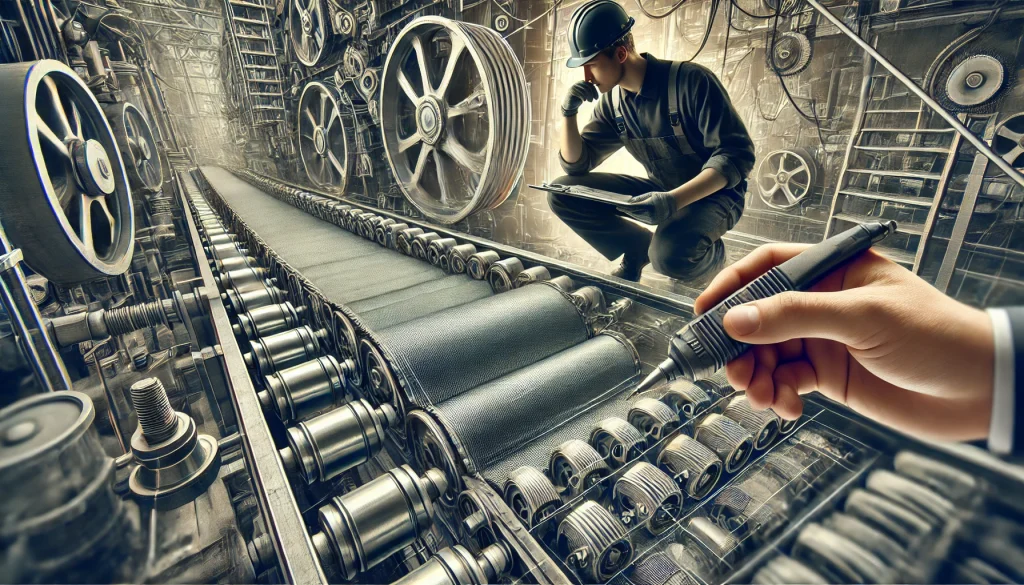
In today’s high-demand industrial environment, speed, reliability, and efficiency are everything. Whether you’re running manufacturing lines, automotive systems, or machinery with high torque requirements, the right power transmission component can make all the difference. Among the most reliable solutions in modern mechanical systems is the poly V belt—a compact, durable, and highly efficient belt that supports seamless power transfer and minimizes downtime.
With industries looking for smarter and longer-lasting components, demand has surged for trusted poly v belt manufacturers and poly v belt suppliers that deliver both performance and longevity. From automotive engines to heavy-duty factory equipment, this compact belt solution is quickly becoming a favourite across sectors.
What Is a Poly V Belt?
A poly V belt, also known as a multi-ribbed belt, is designed with many V-shaped ribs that run along its length. This unique structure allows it to contact more surface area on the pulley, enhancing grip and reducing the chances of slippage. The belt is flexible, thin, and highly adaptable making it perfect for smaller pulley diameters and compact installations.
Unlike traditional belts, a poly V belt drive offers greater load distribution, resulting in smoother operation, reduced vibration, and decreased wear and tear on the system. These advantages make it suitable for both light- and heavy-duty applications in industries such as textiles, packaging, automotive, and food processing.
Why Poly V Belts Are the Go-To Choice for Modern Industries
Businesses are continually seeking to optimize performance while minimizing costs. Here’s why poly V belts are a preferred solution:
- Space-saving design: Their slender design enables more streamlined machinery arrangements.
- High power transmission efficiency: Due to its increased surface contact, the belt transfers power more effectively.
- Reduced maintenance: Lower wear rates result in fewer replacements and less downtime.
- Quieter operation: The belt’s design minimizes noise and vibration, which is crucial in environments that demand low sound levels.
With all these advantages, it’s no surprise that both OEMs and equipment maintenance teams are turning to reliable poly V-belt suppliers for their power transmission needs.
Understanding the Role of PK Belts
The pk belt is a specific type of poly V belt, commonly used in automotive applications. It typically features six ribs and is identified by the “PK” code, which refers to its rib profile. In modern vehicles, pk belts are found in systems such as alternators, power steering pumps, water pumps, and air conditioning compressors.
Their multi-functionality and compact design make pk belts ideal for vehicles that have limited engine space but high accessory drive demands. Moreover, they deliver exceptional grip and consistent tension, which helps maintain fuel efficiency and system reliability.
Because of their crucial role in automotive performance, sourcing PK belts from trusted poly V-belt manufacturers ensures durability and a long service life, even under high-load and high-heat conditions.
The Benefits of a Poly V Belt Drive System
A poly V-belt drive system offers a strong balance between traditional V-belts and flat belts. It combines the advantages of both by providing:
- Higher torque transmission in a smaller space.
- Better alignment between pulleys due to the ribs.
- Greater flexibility for speed variations.
Such characteristics are particularly beneficial in machines that need compact setups without compromising power delivery. Industries such as HVAC, printing, and heavy-duty conveyors benefit immensely from switching to poly V-belt drive solutions.
The Importance of Reliable Poly V Belt Suppliers
Not all belts are made equal. Quality, material composition, and manufacturing standards can significantly affect the life and performance of a belt. This is why businesses rely on experienced poly v belt suppliers who understand industry standards and deliver products built for rugged use.
Trusted suppliers test their belts for:
- Load capacity
- Thermal resistance
- Oil and chemical exposure
- Abrasion resistance
When sourcing belts for critical applications, working with reputable poly V-belt manufacturers ensures that you receive consistent, high-quality products engineered for demanding environments.
PU Timing Belts: A Smart Add-On to Precision Systems
Another complementary product often used alongside poly V belts is the PU timing belt. These belts, made from polyurethane, are especially designed for synchronous drive systems where precision is non-negotiable. Leading pu timing belt manufacturers produce belts that are resistant to wear, chemicals, and temperature variations.
The integration of PU timing belts in systems that need timed motion—such as robotics, packaging lines, and textile machines—provides reliable performance with minimal elongation. Their strength and accuracy are what make them a go-to solution in automation-driven industries.
Combining poly V belts for power transmission and PU timing belts for synchronization allows industries to build systems that are both powerful and precise.
Key Industries Using Poly V Belts and PU Timing Belts
Poly V belts and PU timing belts are commonly used in:
- Automotive manufacturing
- Textile machinery
- Packaging and printing
- HVAC and refrigeration
- Medical and lab equipment
- Food processing machines
Their compactness, power efficiency, and longevity make them ideal for industries that can’t afford breakdowns or inconsistencies in output.
As industries evolve toward smarter and more compact machinery, the demand for efficient, long-lasting power transmission components continues to grow. The poly V belt stands out as a key solution due to its ability to deliver high torque, save space, and reduce maintenance requirements. Choosing the proper poly V belt manufacturers and poly V belt suppliers is critical to unlocking the full potential of these components—keeping machines running, productivity high, and costs low.

