
Archive

2024

Browsing

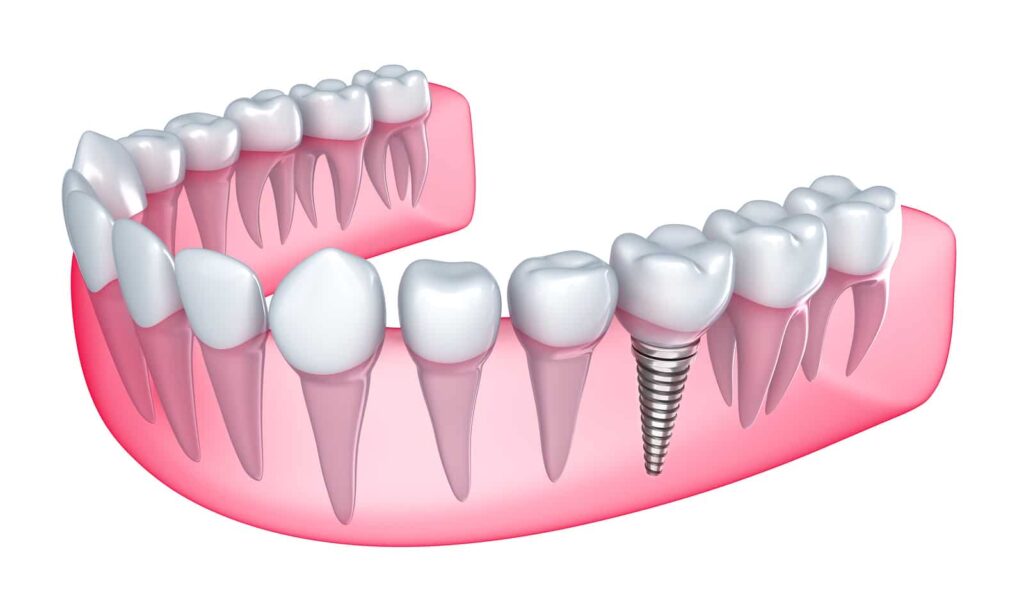
The Valley Village dentist and their team of prosthodontists are well-trained to provide dental implants as a permanent means to replace missing teeth. These artificial screw-like devices are engraved into your jawbone, providing strong and stable support. 

But implants come with their own set of challenges, thus, it is crucial to determine if they are worth the time, effort, and money. Let us explore their benefits to come to a definite conclusion.  

A comprehensive guide to dental implants

Dental implants are oral devices that are surgically implanted or fixed into your jaw. These mimic your tooth roots that provide anchorage, and stability for the replacement tooth. These are most often made up of titanium alloys that readily fuse with your jawbone.

The modern cutting-edge technology used in fabricating dental implants offers promising results in rehabilitating your oral health, form, and aesthetics.

Benefits of dental implants

Superior aesthetics

Dental implants support and anchor permanent teeth restorations like crowns and dentures in the most aesthetically pleasing manner. These screw-like devices stay hidden within the jawbone, adding a superior touch to aesthetics.  

Improved speech 

Poor-fitting dentures can negatively impact your speech and pronunciation since there is an increased risk of implant displacement. Dental implants allow you to speak with confidence, without the fear of the implant slipping away or falling off.

Superior comfort

You no longer have the discomfort of cleaning your removable dentures, without the risk of losing them since they are permanently fixed to your jawbone. 

Chewing convenience

Dental implants function like your natural teeth by mimicking your lost tooth roots, allowing you to chew well with confidence and without pain. This may improve chewing, thereby lowering your risk of nutritional deficiencies. 

Improved self-esteem

Dental implants can revitalize your smile, boosting your confidence, and self-esteem. 

Enhanced oral health

Dental implants do not require any preparation of the adjacent teeth because they do not require any support from them. This leaves your natural teeth intact, improving long-term oral health. They also provide easy interdental access thereby improving oral hygiene. 

Durability and longevity

Dental implants are durable, and with proper care, they can last a lifetime. They eliminate the inconvenience of removing dentures, and messy adhesives to keep fixed dentures in place. 

Conclusion 

Dental implants serve as long-lasting fixtures that replicate the function of natural tooth roots, providing robust support and stability for replacement teeth. With a proven track record of success, they deliver enduring benefits that enhance both oral health and overall well-being.

Cognitive Behavioral Therapy (CBT) has arisen as an exceptionally powerful therapeutic methodology for managing side effects of anxiety and depression. By addressing negative idea examples and ways of behaving, therapist in NJ  engages individuals to foster better coping procedures and further develop their in general mental prosperity.

The Cognitive Part:

CBT begins by helping individuals perceive and challenge negative idea designs related with anxiety and depression. Through cognitive restructuring, clients figure out how to recognize unreasonable convictions and supplant them with additional reasonable and sensible considerations. By reframing pessimistic interpretations of circumstances, individuals can lessen feelings of sadness and cynicism.

The Behavioral Part:

As well as addressing cognitive bends, CBT likewise centers around modifying maladaptive ways of behaving that add to anxiety and depression. Behavioral methods, for example, openness therapy and behavioral actuation assist individuals with confronting their feelings of trepidation and take part in exercises that bring them delight and satisfaction. By bit by bit exposing themselves to anxiety-provoking circumstances and monitoring their responses, clients can figure out how to endure distress and regain a feeling of command over their lives.

Developing Coping Abilities:

One of the critical advantages of CBT is accentuation on teaching functional coping abilities can be applied, in actuality, circumstances. Clients learn unwinding strategies, like profound breathing and moderate muscle unwinding, to diminish physiological excitement and advance a feeling of quiet. They likewise get critical thinking abilities to really address stressors and life challenges, empowering them to explore tough spots with certainty and strength.

Promoting Behavioral Actuation:

CBT urges individuals to participate in exercises that bring them euphoria and fulfillment, in any event, when they may not feel propelled to do as such. By scheduling pleasurable exercises and setting reachable objectives, clients bit by bit increase their degree of action and regain a feeling of direction in their lives. This behavioral initiation balances feelings of laziness and withdrawal ordinarily connected with depression.

Cognitive Behavioral therapist in NJ offers a thorough way to deal with managing side effects of anxiety and depression by addressing both cognitive twists and maladaptive ways of behaving. By challenging negative idea designs, developing coping abilities, and promoting behavioral enactment, CBT enables individuals to assume command over their psychological wellness and live additional fulfilling lives.

In recent years, there has been growing interest in integrating mindfulness and meditation techniques with massage therapy to enhance therapeutic outcomes. This policy and practice review examines the implications of combining mindfulness and meditation practices with 1인샵 Swedish Massage, focusing on considerations for policy development and practical implementation in massage therapy settings.

Policy Considerations:

  • Regulatory Standards:

Regulatory bodies governing massage therapy should consider incorporating guidelines or standards related to the integration of mindfulness and meditation techniques into practice. This may involve updating licensure requirements, continuing education curricula, and scope of practice regulations to reflect the growing body of evidence supporting the effectiveness of combined interventions.

  • Informed Consent:

Massage therapists should obtain informed consent from clients prior to integrating mindfulness or meditation techniques into treatment sessions. This involves discussing the potential benefits, risks, and alternatives of incorporating these practices and obtaining the client’s consent to proceed.

  • Ethical Considerations:

Therapists should adhere to ethical principles, such as respecting client autonomy, confidentiality, and cultural sensitivity, when integrating mindfulness and meditation techniques into massage therapy. This includes honoring clients’ preferences, beliefs, and boundaries throughout the treatment process.

Practice Implications:

  1. Training and Education:

Massage therapists should receive training and education on the principles and techniques of mindfulness and meditation to effectively integrate these practices into their massage therapy sessions. Continuing education programs and workshops can provide therapists with the knowledge and skills necessary to incorporate mindfulness-based interventions into their practice.

  1. Intervention Protocols:

Therapists should develop standardized intervention protocols for integrating mindfulness and meditation techniques with 1-Person Shop Swedish Massage. This may involve establishing clear guidelines for selecting appropriate practices, integrating them into massage sessions, and evaluating their effectiveness in achieving therapeutic goals.

  1. Client-Centered Approach:

Practitioners should adopt a client-centered approach when integrating mindfulness and meditation techniques into massage therapy, tailoring interventions to meet the individual needs and preferences of each client. This involves conducting thorough assessments, engaging in collaborative goal-setting, and adjusting interventions based on client feedback.

Conclusion:

Integrating mindfulness and meditation techniques with 1인샵 Swedish Massage holds promise for enhancing relaxation, promoting stress reduction, and fostering a deeper mind-body connection in massage therapy settings. Policy development and practice guidelines should support the ethical and effective integration of these practices, while ongoing research can contribute to our understanding of their clinical efficacy and optimal implementation strategies. By adopting a client-centered approach and adhering to ethical principles, massage therapists can harness the therapeutic potential of mindfulness-based interventions to promote holistic well-being and enhance the massage therapy experience.