
Archive

2023

Browsing

Dental crowns are caps placed over the teeth to restore their original size and shape, letting them function properly. Usually, porcelain crowns are used due to their strength and ability to be customized to match your remaining teeth’s color. A dental practice in Powell, TN, can determine if you can benefit from dental crowns. 

When Do You Need a Dental Crown?

You may need a dental crown if you have a cracked, worn, or weakened tooth. Also, a dental crown can protect a tooth following a root canal procedure and restore a big cavity that a dental filling cannot handle. In addition, you may also get a dental crown to hide a badly shaped, discolored, or decayed tooth. The crown improves the look of a tooth and your overall smile. 

Benefits of Dental Crowns

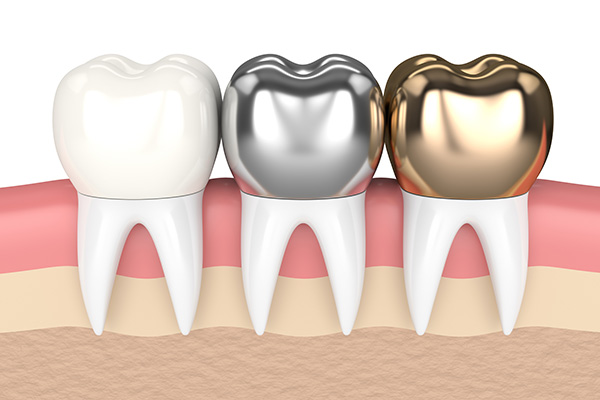
Dental crowns can be made of ceramic, composite, porcelain, and metal alloy fused to metal. They are designed to match your natural teeth color. Your dentist will determine the right material according to some factors, such as the position of your tooth, the affected tooth’s color, your preference, and gum tissue. 

Dental crowns made of porcelain are preferred as they can be customized to look like your natural tooth. Also, porcelain restores the normal function of the tooth. But porcelain crowns do not heal quickly and are not as strong as tooth enamel. Thus, you must not consume hard foods after you get a porcelain crown to prevent damage. 

How Long Do Porcelain Crowns Last

A dental crown can last up to fifteen years when properly maintained. If you take good care of your dental crown, it can even last up to thirty years. Porcelain crowns can endure 5-15 years of use. Some factors determine a crown’s lifespan, including your oral practices, the wear and tear the crown is subjected to, and the frequency of your dental checkups.

What to Expect When You Get Dental Crowns

Often, a dental crown is completed in two appointments. Your first appointment is meant to clean the affected tooth, so it will be ready for the crown. If the core of the tooth has decayed enough that it cannot support a dental crown, your dentist may use composite material to rebuild it. 

Then, your dentist will take the imprints of the tooth to fabricate an accurate model. It takes around a couple of weeks to produce your crown. But some dental clinics with the necessary equipment can make the crow on the same day. Your dentist will place the crown over the affected tooth, make necessary changes, and cement the crown into place. 

Swimming pools are more than a place to go for a refreshing dip – they’re a luxury and a centerpiece for outdoor living at their best. They’ve become an essential part of summertime entertainment, and their design has evolved to reflect this. Although we may not predict the future, we can at least look at the trends in pool design for 2023. Designers have managed to keep up with what people want from their swimming pools by focusing on key features and setting trends with style.

Swimming pools should be visually appealing, relaxing and functional, providing fun for your family, guests and children. The swimming pool builder should have a basic understanding of the current design trends . One of the most important things about a swimming pool is its aesthetics.

1. Material Combination

The trend mainly focuses on using different materials for different parts of the pool. A rock deck is used for the upper area of the swimming pool. This will not only bring texture to the site but also hide unwanted eyesores around the ground of your pool. The corners and transitions from one material to another should be beautifully designed and shaped to add character to your swimming pool. You can apply this trend by combining coatings like tile and stone with concrete.

2. Functionality

In 2023 swimming pools will be designed in a way that meets the needs of the users. The client wants a bigger swimming pool with a deck and seats. Most of the customers wish for a functional swimming pool. The latest designs take into consideration aesthetics and functionality at the same time. A combination of both these features helps in creating an eye-catching and attractive swimming pool space.

3. Natural Swimming Pools

Natural swimming pools are nothing but natural rock pools. These swimming pools are designed with locally available rocks and stones that complement the surrounding area. Natural swimming pools blend into the surrounding area, making them more attractive than any other construction method. Nutrients in the water are reduced, thus preventing algae growth and keeping the water clean for a long time. Natural swimming pools are primarily designed in public areas that many people visit daily.

4. Water Sustainability

Water sustainability is the key to future designs. The increased population and urbanization will pose a threat to our water resources. Eco-friendly designers and engineers are proposing low-cost, low-impact, water-friendly options. New technologies have been developed to ensure water quality, reducing the need for public health measures. Water circulation systems are used in more pools and hot tubs to help with pool aesthetics.

The designers are continuously looking for new styles that can interest the customers. The overall trend is to have open swimming pools with large decks and furniture. Desert Springs Pools & Spas share the knowledge and provide the required swimming pool services. They provide swimming pool equipment and materials for commercial and residential purposes. They are known for their consistent quality, excellent customer service and superior craftsmanship.


Bone grafting is a standard procedure performed in conjunction with dental implant surgery. It involves adding bone material to the jaw to provide a stable base for the implant. This procedure is necessary when there is not enough bone in the jaw to support the implant or if the existing bone is too weak to support the implant. 

The bone material used for grafting can come from various sources, including the patient’s bone or donor. Understanding the role of bone grafting in dental implant surgery is essential for those considering this procedure, as it can significantly impact the success and longevity of the implants. You can also contact a dentist in Fort Myers, FL, if you need professional help understanding the role of bone grafting in surgery.

Understanding the role of bone grafting in dental implant surgery: 

  • Bone grafting provides a stable foundation

Bone grafting provides a stable foundation for dental implant surgery. When an insufficient bone in the jaw supports the implant, bone grafting is necessary to create a stable base. The graft material acts as a scaffold for the bone to grow, building a solid foundation for the implant. It ensures that the implant can integrate with the jawbone and remain in place, providing a long-term solution for missing teeth.

  • It promotes bone growth.

Bone grafting promotes bone growth in the jaw. The graft material stimulates the body’s natural healing response, encouraging new bone to grow around the graft site. Over time, the body absorbs the graft material, leaving behind new bone tissue that can support the dental implant. By promoting bone growth, bone grafting helps to ensure the implant’s long-term stability, which is essential for successful dental implant surgery.

  • It may be necessary for certain patients.

Bone grafting may be necessary for certain patients who have experienced significant bone loss in the jaw. It includes patients with periodontal disease or missing teeth for an extended period. 

Dental implants may fail or not integrate properly with the jawbone without sufficient bone. Bone grafting provides a solution for patients with insufficient bone, ensuring the implants have a stable foundation for successful integration and long-term use.

  • It can add to the overall cost and time of the procedure.

Bone grafting is a necessary procedure in some cases to ensure successful dental implant surgery. However, it can add to the overall cost and time of the procedure. The additional cost and time depend on the extent of bone loss and the source of the bone material used for grafting. While it may increase the cost and duration of the procedure, the benefits of successful dental implants that can last for many years often outweigh the added investment.