
As the world’s population continues to age, the prevalence of age-related diseases is on the rise. One such condition that affects millions globally is age-related macular degeneration (AMD). It’s a leading cause of vision loss among people aged 50 and older, and its early detection and prevention are vital to maintaining quality vision for as long as possible.
What is age related macular degeneration (AMD)?
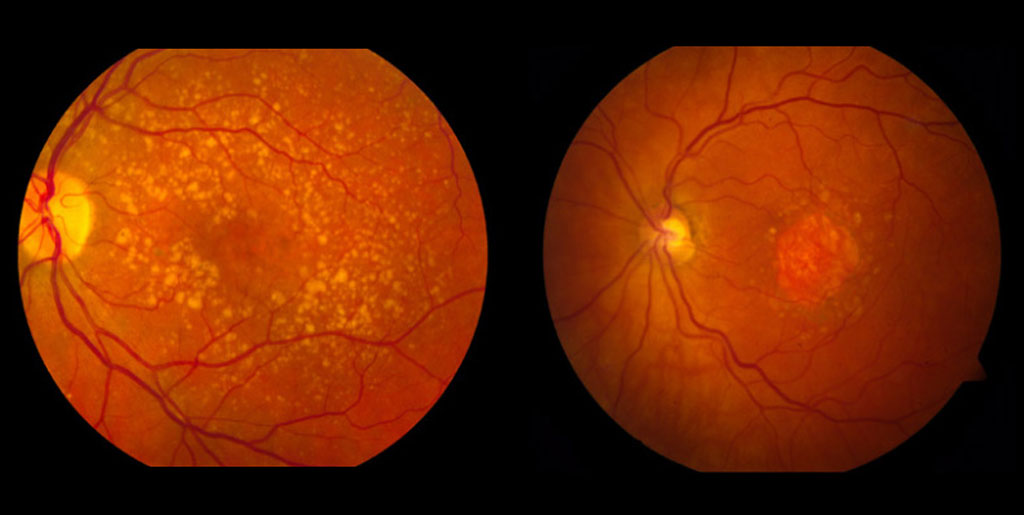
AMD is a progressive eye condition affecting the macula, the small central area of the retina that’s responsible for sharp, clear central vision. The disease comes in two types: wet and dry.
Dry AMD: This is the most common form of the disease, accounting for about 80-90% of all cases. It is characterized by the thinning of the macula, leading to atrophic lesions and, in some instances, the slow loss of central vision.
Wet AMD: This is the more severe form of the disease and progresses more rapidly than the dry type. It happens when abnormal blood vessels grow underneath the retina. These vessels can leak blood and fluid, leading to damage and rapid vision loss if not treated promptly.
The exact cause of AMD is unknown, but several factors are believed to increase the risk of developing the condition. These include age, genetics, smoking, high blood pressure, and a diet lacking in fruits and vegetables.
Symptoms and Detection
The early stages of AMD may not present any symptoms, making regular eye check-ups essential, especially for those over the age of 50. As the disease progresses, a person may notice:
A blurring of the central vision.
Straight lines appearing wavy.
Dark, blurry areas or whiteout in the center of vision.
Changes in color perception.
It’s crucial to consult an eye specialist if any of these symptoms are observed. Early detection can help slow the progression of the disease and preserve vision for a longer time.
Prevention and Treatment
While there’s no definitive cure for AMD, there are steps one can take to reduce the risk of developing the condition and to manage its progression if diagnosed.
Regular Eye Examinations: Regular check-ups with an ophthalmologist can catch AMD in its early stages, making it easier to manage and treat.
Diet and Nutrition: A diet rich in leafy green vegetables, fish, and nuts can help in reducing the risk of AMD. Some studies suggest that certain vitamins and minerals, such as vitamin C, E, and zinc, may help slow the progression of the disease in people who have intermediate or advanced AMD.
Quit Smoking: Smoking significantly increases the risk of developing AMD and accelerates its progression.
Manage Cardiovascular Health: High blood pressure and other cardiovascular diseases can increase the risk of AMD. Regular exercise, a healthy diet, and regular medical check-ups can help in managing and preventing these conditions.
Protection from UV Light: Wearing sunglasses that block harmful UV rays can help in reducing the risk.
For those who have been diagnosed with wet AMD, there are treatments available that can slow or stop the growth of the abnormal blood vessels. These treatments include injections, laser surgery, and photodynamic therapy.
The Future of AMD Treatment
Researchers continue to investigate potential treatments for AMD. With the advancements in medical technology and a better understanding of the disease’s genetics, there’s hope for more effective treatments in the near future. Initiatives and resources like those provided by https://preventblindness.org/amd-age-related-macular-degeneration/ offer invaluable information, guidance, and support to those living with the condition and their families.
In Conclusion
Age-related macular degeneration is a significant concern for the aging global population. With early detection, preventive measures, and ongoing research, it’s possible to manage the condition and maintain a good quality of life. Stay informed, undergo regular eye check-ups, and adopt a healthy lifestyle to protect your vision.
Chronic Care Management (CCM) is an essential aspect of healthcare that focuses on providing personalized care for patients living with long-term medical conditions. With the rise in chronic illnesses, implementing an effective CCM strategy has become crucial for healthcare providers. In this article, we’ll explore the benefits of utilizing a comprehensive chronic care management approach and how it can improve patient outcomes and overall healthcare experiences.
Enhanced Patient Engagement and Communication
Implementing a CCM program results in better patient engagement and communication between patients, healthcare providers, and caregivers. Through regular follow-ups and structured care plans, patients feel more involved in their treatment, leading to increased satisfaction and improved adherence to care recommendations. Effective CCM programs facilitate open channels of communication, allowing patients to voice their concerns and receive timely feedback, promoting a better understanding of their condition and the steps required to manage it.
Improved Care Coordination
One significant advantage of a well-structured CCM approach is the enhancement of care coordination among healthcare providers. By offering a centralized platform for sharing patient information, CCM ensures that all parties involved in the care process, from primary care physicians to specialists and care managers, are on the same page. This integrated collaboration translates to a seamless healthcare experience for patients, reducing the risk of medical errors and ensuring that their needs are addressed efficiently.
Proactive and Personalized Care
A CCM program puts the focus on proactive and personalized care, identifying potential healthcare needs and offering tailored interventions to manage chronic conditions. By monitoring patients’ health status regularly, healthcare providers can intervene early if there are signs of potential complications. This preventive approach can help minimize the development of more severe health issues, ultimately leading to better patient outcomes and overall well-being.
Cost-effective Healthcare Delivery
The financial burden of chronic diseases on both patients and healthcare systems cannot be overstated. By implementing a comprehensive CCM strategy, healthcare providers can reduce hospitalization rates, emergency room visits, and reduce healthcare costs associated with managing chronic illnesses. Through better care coordination and more targeted interventions, CCM programs can lead to significant cost savings in the long run.
Increased Access to Care
For patients who may face mobility or transportation barriers, CCM programs can provide increased access to care through telehealth and remote monitoring services. These innovative solutions help healthcare providers monitor patients’ conditions and deliver care more efficiently, removing geographical barriers and ensuring that patients receive the appropriate care, regardless of their location.
To Conclude
The benefits of Chronic Care Management are numerous, covering everything from improved patient engagement to cost-effective healthcare delivery. By implementing a comprehensive CCM strategy, healthcare providers can transform the management of chronic diseases, drive better patient outcomes, and create more efficient healthcare systems. So don’t wait, start leveraging the power of CCM and reap its numerous rewards today. Thank you for reading!
The Multiple Listing Service (MLS) provides a dynamic repository where real estate agents can showcase their available listings to other agents and potential buyers. These listings are then distributed to prominent real estate platforms such as Zillow and Realtor.com, making property information accessible to the general public as well. As markets shift and listings evolve, keeping MLS data current is critical for accuracy. Outdated listing info can negatively impact marketing success. For both listing agents and homeowners, here are some key reasons to prioritize frequent MLS listing updates:
- Accurate property details
As the central source of listing online realty data, the MLS must reflect accurate house details, features, conditions, inclusions, and exclusions. Out-of-date info like incorrect bedroom counts or unfinished renovations shown as complete can harm credibility. Regular updates ensure listing accuracy.
- Current status indicators
Active statuses like “Active,” “Pending,” “Back on Market,” “Closed” or “Rented” must be kept up-to-date so agents only show appropriate properties. Stale status data wastes everyone’s time. Timely status changes also generate valuable market statistics.
- Responding to market changes
In shifting markets, listing prices may warrant strategic adjustments based on demand. Or motivated sellers may offer additional incentives like home warranties to sweeten deals. Dynamic MLS updates keep in step with evolving conditions.
- Documenting listing history
All MLS status changes, price adjustments, text edits, additional photos, etc. generate a time stamped audit trail. This documents the complete listing history for future reference. Proper logging relies on real-time MLS updates.
- Accommodating buyer feedback
Buyer agent feedback on showings might merit listing improvements like cleaning, decluttering, or repairs. Or highlight needed ads like 3D scans or HD video tours. MLS updates enable a suitable response.
- Conveying new value-adds
EV chargers, solar panels, drainage fixes, or other home improvements made during listing should be communicated via MLS changes. Marketing new value-adds attracts buyers.
- Minimizing days on market
Lengthy cumulative days on the market can negatively impact buyer perception of a listing. MLS updates with refreshed photos, copy, and prices help reset days on the market to optimize desirability.
- Preventing online inaccuracies
Outdated MLS info syndicated to third-party listing sites inevitably becomes inaccurate over time. Regular MLS changes to ensure consistency across platforms.
- Responding to marketing results
Monitoring showing traffic, comments, and web analytics helps gauge listing effectiveness. Targeted MLS updates can enhance marketing performance.
- Good data practices
MLS rules require listing brokers to update data within 24 hours of status changes. This maintains data integrity systemwide. Violating rules risks penalties keeping listings current takes some added effort but pays big dividends in data accuracy, buyer interest, and agent credibility. For best home sales outcomes, prioritize regular MLS listing updates as markets shift and properties evolve. The freshest listings attract buyers faster in competitive markets.


