
Tag

adult learning

Browsing


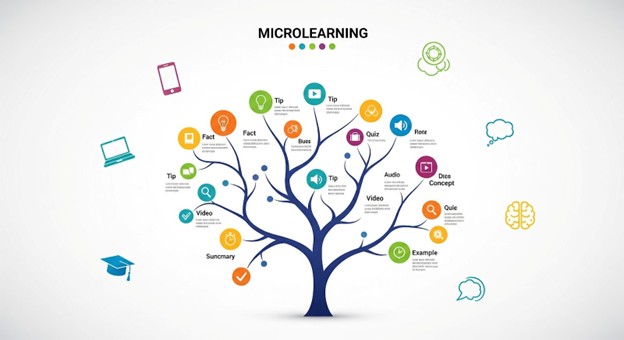
You want to grow in your career, but your time and energy are already stretched. Between work, family, and personal responsibilities, learning can feel like something you’ll get to someday. Many adults feel the same way, which is why more people are exploring flexible options like microlearning to see what fits their goals and their real lives. In this guide, you’ll learn how different study formats support your progress, your confidence, and your long-term development so you can choose the path that matches you best.

Why Does Microlearning Feel Like the Spark You’ve Been Missing?

It’s easy to lose interest when lessons take hours. Short sessions lift that weight by breaking learning into simple, focused steps. You get short learning modules for adults that help you absorb new ideas without feeling overwhelmed. Each session feels achievable, and that sense of progress pushes you forward.

Picture this. You’re waiting for your next meeting or sitting on the train. You open your phone, finish a small lesson, and walk away with something that helps you today. These bite-sized online training lessons give you quick wins that make you feel productive, even on a packed schedule.

This style blends into your day instead of taking over your time. You learn at your own pace and in moments that feel natural. With a smooth mobile microlearning experience, you gain new skills in minutes and feel proud of every step you take.

Can Long Courses Give You the Deep Growth You Crave?

Sometimes you want more than simple steps. You want a full learning path that helps you understand a subject in stronger detail. Long courses guide you through a structured plan that supports deeper study and long-term mastery.

When you commit to a long program, you give yourself time to grow in a steady way. You follow a clear path, build on what you learn, and take on assignments that stretch your thinking. This format works well when you’re preparing for larger responsibilities or want to move toward a higher role.

You also get support from instructors and access to more detailed material. This helps you work through ideas at a pace that feels controlled and purposeful. Long programs fit well with flexible workplace learning routines, giving you structure without taking away the ability to adjust your schedule when needed.

Which Learning Style Fits the Life You’re Living Right Now?

The best learning path is the one that supports your daily reality. If your workdays shift often or your responsibilities pull you in different directions, short sessions may feel easier to maintain. You can pick up a lesson, learn something useful, and return to your tasks with more confidence.

Short lessons also help when you need new skills on the spot. They support rapid digital skills development, which is helpful when your job requires quick adjustments or new knowledge right away. You learn what you need, use it immediately, and stay ready for what comes next.

If you’re preparing for a major change in your career or working toward a certification, long courses may feel more suitable. You follow a step-by-step journey, set aside dedicated time, and move through lessons with a clear purpose in mind. This depth supports goals that require stronger foundations and steady progress.

There’s no single right choice. The right style fits your life, respects your time, and supports the growth you want.

How Do These Methods Shape the Way You Show Up at Work Every Day?

The way you learn influences the way you work. Short lessons help you apply skills right after you learn them, giving you a sense of strength in everyday tasks. You feel prepared, capable, and more confident in the moments that matter.

These small steps also help you build a steady learning rhythm. Over time, this rhythm changes how you see yourself. You’re someone who grows, even during busy weeks. This shift supports your long-term development and helps you stay grounded.

Long courses impact you differently. They give you a strong sense of achievement when you complete them. You finish a structured journey and gain skills that help you take on bigger tasks. This sense of progress improves how you think, decide, and lead.

This section is where you see how microlearning supports continuous upskilling methods, helping you stay ready for new opportunities without disrupting your routine.

Which Path Helps You Feel Stronger, Smarter, and Ready for More?

You deserve a learning path that supports your energy instead of draining it. Short sessions give you quick progress and encourage you to keep going, even when your schedule feels tight. Each lesson builds momentum and strengthens your confidence.

Long courses give you a deeper sense of accomplishment. Completing a full program shows you how far you can go when you commit to something meaningful. That story becomes part of your professional identity and can lead to bigger roles or new opportunities.

You can choose one path or blend both. You might start with short lessons, then move to deeper training when you’re ready. You might also use short sessions to support a long course. Your learning journey is yours to shape, and each step brings you closer to the career you want.

Conclusion: Which One Should You Choose for Your Career?

Both options bring value, and both can guide you toward your goals. Short sessions fit easily into a busy schedule and keep your progress steady, while long courses help you build a stronger foundation for larger ambitions. The right choice is the one that supports your pace, your goals, and your well-being. When chosen with intention, microlearning and long courses can work together to help you grow with confidence and purpose.

Start building your future today with microlearning for steady, meaningful progress.

Engineering continues to evolve across industries, requiring professionals to adapt and upskill. For many working adults, returning to school may feel like an ambitious undertaking. However, a part-time diploma in engineering offers a practical path for career advancement without disrupting full-time work. Designed with flexibility and relevance in mind, this mode of study accommodates the realities of adult learners while delivering the technical knowledge needed for growth in the engineering field.

Balancing Work and Study Without Sacrificing Income

One of the most practical reasons adults choose a part-time diploma in engineering is the ability to continue working while pursuing further education. For individuals with financial obligations, taking a break from employment to study full-time is rarely feasible. Part-time programmes offer evening or weekend schedules that make it possible to maintain a job and income stream. This approach removes the financial strain typically associated with higher education and allows learners to apply knowledge gained in class directly to their current work.

Building Relevant Skills for Immediate Use

Engineering professionals face ongoing pressure to stay current with new systems, tools, and industry practices. A diploma of engineering equips learners with updated skills that are relevant to current roles. Whether in mechanical, electrical, or civil disciplines, part-time courses emphasise practical training. The curriculum often includes modules directly applicable to day-to-day tasks, allowing learners to enhance their capabilities in real time. This immediate application of knowledge makes the learning experience more meaningful and directly tied to job performance.

Creating Pathways for Career Advancement

A diploma qualification can open new doors, particularly for adults who entered the workforce through vocational training or started in junior positions. Without formal post-secondary credentials, it may be difficult to qualify for supervisory roles or technical specialisations. Earning a part-time diploma in engineering demonstrates commitment, initiative, and expertise. For employers, these qualities support decisions to promote or assign greater responsibility. As industries place increasing emphasis on credentials, this route strengthens your profile for long-term career progression.

Supporting Lifelong Learning Without Full Academic Pressure

For adult learners, returning to education can be daunting, especially if many years have passed since their last classroom experience. A part-time diploma allows for gradual re-entry into structured learning. Course formats tend to be more supportive of adult needs, with manageable timelines, guided coursework, and opportunities for practical learning. This setting helps build confidence in academic environments while delivering meaningful outcomes. It becomes a gateway to lifelong learning, without the pressure of full-time undergraduate or postgraduate study.

Enhancing Problem-Solving and Technical Confidence

Engineering challenges require critical thinking and precision. A structured diploma programme strengthens these competencies through lab sessions, assignments, and projects. Adult learners benefit from revisiting technical foundations while learning to apply modern tools and methodologies. As workplace problems become more complex, having the ability to analyse issues systematically and design solutions becomes a vital leadership trait. A part-time diploma reinforces this mindset, bridging hands-on experience with structured learning.

Learn More: A Working Adult’s Guide to Going Back to School

Networking Opportunities with Industry Peers

Studying part-time introduces learners to professionals from diverse engineering sectors. This environment fosters collaboration, idea-sharing, and peer support. Adult learners bring real-world experience into the classroom, making discussions more grounded and insightful. These connections can extend beyond graduation, providing access to future job referrals, project collaborations, or industry insights. A diploma programme becomes more than an academic experience which offers a community of professionals facing similar challenges and goals.

Staying Competitive in a Changing Industry

Engineering fields are under continuous pressure to innovate, comply with regulations, and adopt new technologies. As automation, sustainability, and digital tools reshape the landscape, technical workers must remain adaptable. Enrolling in a diploma of engineering ensures that your knowledge base remains aligned with industry expectations. Adults who invest in skill development stand out in the hiring process and become better prepared for roles involving innovation, compliance, or interdisciplinary projects.

Adapting to Shifting Career Goals

Career objectives can change over time. Some professionals may look to move into teaching, consultancy, or project management. A diploma in engineering provides the foundational qualification needed to make these transitions. For adults re-entering the workforce after a break or seeking to redirect their engineering focus, a part-time diploma supports a structured shift. It builds the credibility and knowledge required to reposition one’s career without starting from scratch.

A part-time diploma in engineering aligns well with the goals and responsibilities of adult learners. It offers flexibility, practical skills, and a clear path toward advancement while accommodating professional and personal commitments. Whether you aim to stay current, gain confidence, or move into leadership roles, this educational route provides a strong foundation for continued growth.

For more information about career development and education, contact PSB Academy today.