
Category

Travel

Category

Across the world’s oceans, whales follow ancient migratory patterns that have guided them for centuries. These massive yet graceful creatures journey thousands of miles between feeding and breeding grounds, their movements dictated by shifting seasons and ocean temperatures. For travelers, these migrations quietly influence the timing and routes of many cruises, adding a layer of natural wonder to voyages that traverse the same waters the whales call home.

The rhythm of whale migrations defines some of the most breathtaking moments at sea. From the humpbacks that breach near Alaska in summer to the gray whales gliding along Mexico’s coast in winter, each region offers its own spectacle. What many travelers don’t realize is that cruise itineraries are often designed to coincide with these seasonal movements, offering passengers a chance to witness one of nature’s grandest events from the comfort of the open deck.

In the northern hemisphere, the migration of humpback whales is among the most well-known. These whales spend their summers in cold, nutrient-rich waters where food is abundant. As winter approaches, they head south toward warmer seas to breed and give birth. This pattern creates ideal conditions for cruises that sail through regions like Alaska, Iceland, and northern Norway during the summer months. The whales’ presence enriches the journey, transforming scenic voyages into opportunities for wildlife encounters that rival any on land.

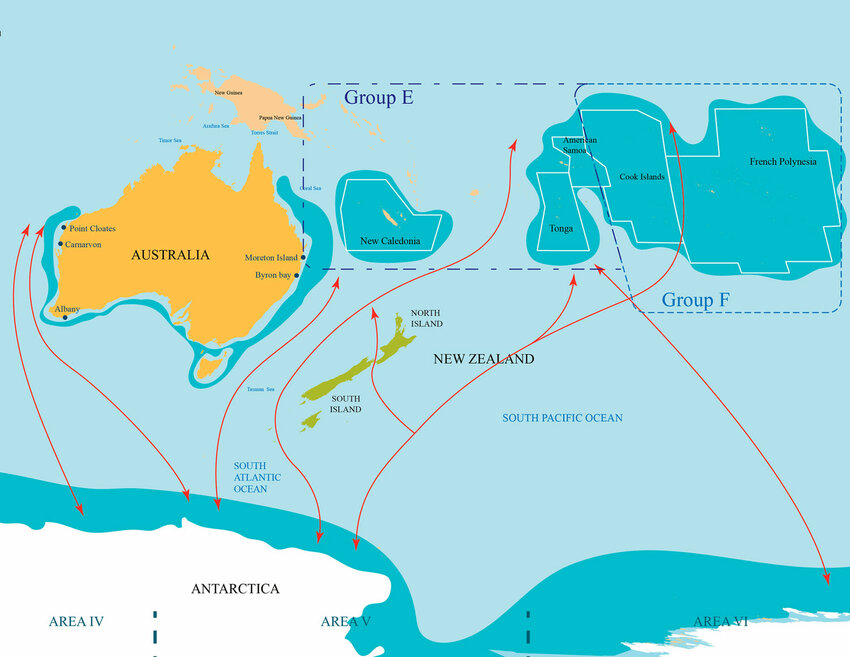
Similarly, in the Southern Hemisphere, whales follow the reverse schedule. Off the coasts of Australia, New Zealand, and South Africa, their migrations align with local winter months. Here, travelers can watch pods move through coastal channels, sometimes so close to shore that sightings occur right from the ship. Cruise companies time their routes carefully, ensuring that passengers sail through prime viewing areas at just the right moment. These encounters not only deepen the experience but also highlight the delicate balance between nature and navigation.

In more temperate regions, seasonal migrations shape cruise offerings in subtler ways. For example, in parts of the North Atlantic, whale movements influence the popularity of spring and early summer voyages. When waters begin to warm, plankton blooms attract smaller fish, which in turn draw whales closer to the surface. This chain of events transforms quiet stretches of ocean into lively feeding grounds. Passengers aboard ships sailing these routes can often see whales spouting or breaching in the distance, a reminder of how interconnected marine life truly is.

Some of the most memorable whale sightings occur in regions known for their mix of dramatic coastlines and rich biodiversity. Iceland’s fjords, for example, are home to both humpbacks and minke whales that feed in the deep, icy waters through the summer months. Likewise, the coasts of Scotland and Ireland provide unexpected opportunities to witness these gentle giants. Travelers on British Isles cruises may find themselves sailing through waters frequented by orcas, minke whales, and even the occasional humpback as they follow their seasonal routes through the North Atlantic.

The connection between whale migrations and cruise itineraries is not simply about spectacle. It also reflects an evolving awareness within the travel industry. Modern cruise lines have become more attuned to the rhythms of the sea, recognizing that responsible tourism depends on respecting these natural cycles. Ships adjust their courses and speeds to minimize disturbance, and onboard naturalists often provide educational programs that help passengers understand the significance of what they are witnessing. This thoughtful approach turns sightseeing into stewardship, fostering appreciation for marine conservation.

One particularly striking aspect of whale migration is its predictability. Despite covering thousands of miles, whales return year after year to the same regions with remarkable precision. Scientists believe they rely on a combination of magnetic cues, ocean currents, and even memory passed down through generations. For travelers, this predictability means that timing a cruise during certain months offers near-guaranteed opportunities to see whales in their natural environment. The anticipation of spotting a tail fin or hearing the sound of a distant spout adds a sense of adventure to each day at sea.

Beyond the northern and southern extremes, whales also play a role in shaping travel experiences in tropical regions. In Hawaii, for instance, humpbacks arrive each winter after traveling thousands of miles from Alaska. Their acrobatic displays near the islands have become a highlight for visitors. Similarly, along Mexico’s Baja Peninsula, gray whales gather to give birth in sheltered lagoons, where calm conditions and warm waters create ideal nurseries. Cruises passing through these areas often schedule stops to coincide with peak migration periods, allowing guests to observe this natural phenomenon responsibly.

The emotional impact of seeing whales in the wild is profound. There is a moment of quiet awe when a creature the size of a bus surfaces beside the ship, its presence both powerful and serene. For many travelers, these encounters become the defining memory of an entire voyage. They remind us that travel is not only about reaching destinations but also about connecting with the living world along the way. The sea is never empty; it holds stories written in movement, rhythm, and migration.

Understanding how seasonal whale migrations shape cruise routes offers a deeper appreciation of how nature and travel intersect. It reveals how careful planning and environmental awareness can enhance the journey without intruding on the ecosystems that make it special. For the conscious traveler, this connection transforms a simple voyage into a shared experience between humanity and the wild.

As cruise routes continue to evolve with sustainability in mind, the presence of whales and other marine life will remain a guiding factor. They remind travelers that the oceans are dynamic, alive, and worthy of respect. Whether gliding through Arctic waters or drifting over tropical currents, passengers following these migratory paths become part of an ancient story still unfolding today.

Ultimately, the whales’ journey mirrors our own desire to explore, to move with the seasons, and to find meaning in the vastness of the world. Each migration is a testament to endurance and instinct, and each voyage offers a chance to witness that timeless rhythm. For travelers with an eye toward nature, few experiences capture the essence of adventure and wonder as completely as sharing the ocean with its most majestic inhabitants.

There’s something about walking a path that has been tread for over a thousand years. The silence, the soft crunch of gravel, the whispers of the wind through towering cedar trees—it’s easy to understand why so many travellers describe the Kumano Kodo as more than a hike. It’s a pilgrimage, both physical and spiritual, and one that’s now finding its way into the itineraries of many Japan holiday packages.

More Than a Trail, It’s a Journey Inward

Located in Japan’s Kii Peninsula, the Kumano Kodo is a network of ancient pilgrimage routes once walked by emperors, monks, and commoners alike. Each step leads to one of the sacred Kumano Sanzan shrines: Hongu Taisha, Nachi Taisha, and Hayatama Taisha. But this isn’t just about reaching temples; it’s about the quiet moments in between.

You might stop by a moss-covered shrine that barely appears on the map or chat with a friendly innkeeper in a small village along the way. There’s no rush, no rigid schedule, just a sense of flow. That’s the beauty of the offers regarding Kumano Kodo hikes in Japan. They invite you to pause, breathe, and rediscover what it means to feel truly present.

The Subtle Power of Nature and Stillness

Singaporeans are no strangers to busyness. We plan, schedule, and optimise almost everything. But on the Kumano Kodo, time slows down. Imagine walking through quiet mountain passes with only the sound of a distant river. It’s not about covering distance; it’s about letting the journey reshape your rhythm.

This balance between body and mind, between movement and stillness, is something modern travellers crave, whether they realise it or not. That’s why many people who book Japan holiday packages that include the Kumano Kodo often describe it as unexpectedly emotional. It’s not just the scenery that moves you, but the stillness that follows.

Ancient Traditions Meet Modern Comfort

While the trail retains its old-world charm, today’s travellers can expect comfort too. Many ryokans along the route serve hearty meals made from local ingredients: grilled ayu fish, mountain vegetables, and miso soup that warms you to the core. Some even offer onsen baths, perfect for soaking tired muscles after a day of hiking.

A well-organised travel agency in Singapore can help arrange guided routes, luggage transfers, and accommodation that blend tradition with convenience. This way, you can focus on your inner journey without worrying about logistics.

Why It Feels Different From Other Trails

Unlike the bustling cities of Tokyo or Osaka, the Kumano Kodo doesn’t try to impress you. It humbles you. The paths wind through forests, rivers, and villages where life hasn’t changed much for centuries. You might cross paths with Japanese pilgrims wearing white robes and carrying wooden staves, their quiet devotion reminding you that faith doesn’t always need words.

And here’s the thing: healing on the Kumano Kodo doesn’t arrive in a dramatic moment. It sneaks up on you. Maybe it’s the calm that lingers after a long day of walking. Maybe it’s the smile of a local who hands you a cup of tea. Or maybe it’s that moment when you realise you’ve stopped checking your phone.

Planning Your Pilgrimage

The trail offers several routes, each varying in length and difficulty. The Nakahechi route is the most popular, stretching from Tanabe to the grand Hongu Taisha shrine. It’s well-marked, scenic, and suitable for beginners. For those seeking a quieter experience, the Kohechi and Iseji routes offer solitude and steeper climbs.

Many travel enthusiasts recommend booking through a reliable travel agency in Singapore that specialises in Japan holiday packages. They can tailor the itinerary based on your pace and interests, whether you want a few days of gentle walking or a week-long immersion in nature and history.

Final Thoughts

You know what’s surprising? The most meaningful part of the Kumano Kodo hikes in Japan isn’t reaching the destination; it’s the small moments along the way. The laughter shared with strangers at a rest stop, the feeling of rain on your face, the satisfaction of a simple bowl of noodles after a long trek.

By the time you complete your journey, something inside you shifts. You feel lighter, quieter, more aware. Maybe that’s what spiritual healing really is: not a grand revelation, but a gentle reminder that peace has always been within reach, waiting for you to slow down and find it.

Thinking of experiencing the Kumano Kodo yourself? Contact Intriq Journey today to explore Japan holiday packages that combine natural beauty with soulful discovery.

Some places slow you down without even trying, and this forest side retreat has that gentle effect from the moment you enter. The air feels clear, the trees stand tall around the pathways and the silence settles into your mind in a soft and steady way. You start walking deeper into the property and soon understand why travellers often choose 5 star hotels in Phuket when they want comfort mixed with quiet natural charm.

The welcome feels warm but not overwhelming. The open layout and the slow pace make the space feel safe and peaceful. You begin to notice the little details that quietly shape the whole experience.

Villa Concepts That Feel Artistic

  • Soft natural colours that blend with the surroundings
  • Private pools that give you personal quiet time
  • Open windows that bring forest views inside
  • Warm lighting that makes evenings pleasant
  • Simple furniture arranged for easy comfortable movement

Experiences With Subtle Touches

  • A choice between light meals and rich plates
  • Calm dining areas with warm steady lighting
  • Clear flavours that feel clean and balanced
  • A slow relaxed pace that supports long peaceful meals

The dining experience carries the softness of the entire resort. You sit without hurry. The surroundings stay peaceful, making even simple meals feel pleasant.

Quiet Spaces All Around The Property

  • Shaded pathways for easy slow walks
  • Open green areas that hold natural stillness
  • Resting spots that let you pause for a minute
  • Light forest sounds that fill the background
  • Evening corners that glow softly with warm lights

These small spaces add more calm to your day. You do not need to plan activities. A walk, a long sit or a quiet moment outside the villa becomes enough to make you feel rested.

Factors Guests Often Appreciate

This retreat feels special because it does not depend on noise or bright displays. It depends on comfort, privacy and soft natural silence. Couples enjoy the peaceful villas. Solo guests like the steady quietness. Families appreciate the space and the gentle atmosphere.

As the days move on, you feel the calm settling inside you in a natural way. The soft colours, the quiet corners and the warm lights create a steady balance that stays with you. This is why many travellers who enjoy 5 star hotels in Phuket choose places like this when they want comfort, privacy and a peaceful break that feels real.