

Archive

2023

Browsing

Persian carpets are a symbol of cultural and artistic expression that has been an integral part of the Iranian heritage for centuries. These hand-woven carpets are famous for their intricate designs, vibrant colors, and unique patterns that reflect the creativity and ingenuity of the Persian people. In this article, we will explore the history, characteristics, and appeal of Persian carpets that make them a coveted item for art collectors and enthusiasts worldwide.

The Safavid rulers patronized the art of carpet weaving and established workshops in major cities such as Isfahan, Kashan, and Tabriz. These workshops produced carpets that were not only beautiful but also durable and functional. Persian carpets became a symbol of wealth and status, and many were commissioned by royalty and nobility as a sign of their power and influence.

Some well-known Characteristics of Persian Carpets

Persian carpets are known for their high quality, durability, and unique designs. They are made from natural materials such as wool, silk, and cotton, and are dyed using natural dyes derived from plants, insects, and minerals. The weaving process is done entirely by hand, using a technique known as “knotting.”

One of the most distinctive features of Persian carpets is their intricate designs, which are often inspired by nature, history, and religion. Persian carpets typically have a central medallion surrounded by a border and field design. The medallion represents the heart of the carpet, while the border and field designs serve to frame and highlight the central design.

The colors used in Persian carpets are also an essential element of their appeal. Persian carpets often feature rich, vibrant colors such as deep red, blue, green, and gold, which are achieved through the use of natural dyes. The colors are often symbolic, with red representing passion and courage, blue representing peace and tranquility, and green representing nature and growth.

The Appeal of Persian Carpets Elegance for your place

The beauty and elegance of Persian carpets make them highly sought after by collectors and enthusiasts worldwide. These carpets are not just functional floor coverings but also works of art that adds warmth and character to any space. Persian carpets are a testament to the skill and creativity of the weavers who created them, and they continue to inspire and captivate people to this day.

The timeless beauty of Persian carpets also makes them a valuable investment. These carpets can appreciate over time, making them a sound investment for those who appreciate art and history. Additionally, Persian carpets are incredibly durable, with some carpets lasting for centuries with proper care and maintenance.

Finally, Persian carpets have a cultural significance that transcends their aesthetic appeal. They are an integral part of the Iranian heritage and are considered a national treasure. Owning a Persian carpet is not just a statement of wealth and taste, but also a connection to a rich cultural tradition that has been passed down through generations.

Persian carpets are a true masterpiece of art and craftsmanship that has stood the test of time. These carpets are an essential part of the Iranian heritage and have captivated people worldwide with their unique designs, vibrant colors, and cultural significance.

Do you know the concept of Udhiyah in Islam, and what is Udhiyah? In this blog, we will discuss certain rules and conditions related to it.

In the rich tapestry of Islamic traditions, one particular practice holds significant importance for Muslims worldwide – Udhiyah. This article aims to delve into the essence of Udhiyah, exploring its meaning, rules, and conditions in the context of Islamic teachings.

What is Udhiyah?

Do you know what is Udhiyah? Udhiyah, also known as Qurbani or sacrifice, is a deeply rooted religious observance in Islam. It involves sacrificing an animal as an offering to Allah during the days of Eid al-Adha, which marks the culmination of the Hajj pilgrimage. Muslims undertake this sacred act as a means of demonstrating their faith, obedience, and gratitude toward Allah’s blessings. 

Udhiyah Rules

Want to know what the rules associated with Udiyah in Islam are? Here are some of the Udiyah Rules that one needs to follow:

  1. Intention: Before performing Udhiyah, one must have a sincere and clear intention of seeking Allah’s pleasure and fulfilling this obligatory act.
  2. Eligible Animals: Only specific animals are permissible for Udhiyah, including sheep, goats, cows, and camels. These animals have to meet criteria, i.e., being healthy and of a certain age.
  3. Timeframe: Udhiyah can only be performed during the specified days of Eid al-Adha, which fall on the 10th, 11th, and 12th of the Islamic month of Dhul Hijjah.
  4. Distribution of Meat: The meat received from Udhiyah is divided into three portions, with one-third being used for individual consumption, one-third being shared with family and friends, and one-third is given to the less fortunate sections of society.

Udhiyah Conditions

Here are some of the conditions of Udiyah which needs to be kept in mind:

  1. Financial Capability: Muslims who possess the financial means to perform Udhiyah are obligated to do so. It’s crucial to remember that persons with financial difficulties are exempt from this obligation.
  2. Age and Maturity: Only individuals who have reached the age of maturity (puberty) are eligible to perform Udhiyah. It is not obligatory for children or minors.
  3. Sacrificial Method: The act of sacrifice must adhere to the prescribed guidelines, ensuring the animal’s welfare and humane treatment. Skilled individuals should perform the sacrifice while reciting the appropriate supplications

Significance of Udiyah

The significance of Udhiyah extends beyond the mere act of slaughtering an animal with some conditions. It symbolizes Prophet Ibrahim’s unwavering devotion and willingness to submit to Allah’s commands. Through this act, Muslims aim to emulate Ibrahim’s commitment to faith and selflessness.

By offering Udhiyah, Muslims not only strengthen their bond with Allah but also promote compassion, charity, and solidarity within their communities. The distribution of meat among the less fortunate fosters a sense of shared responsibility and encourages the spirit of giving during festive occasions.

Conclusion

Through this blog, you might now know what is Udhiyah?. It stands as a sacred pillar of Islamic tradition, embodying devotion, gratitude, and unity. By adhering to the rules and conditions associated with Udhiyah, Muslims worldwide express their commitment to the principles of Islam and their dedication to fostering a society based on compassion and goodwill.


Some people almost always make/save money with foam filling because they understand the benefits of this process. For instance, construction companies can save money by using foam filling to improve the insulation of buildings. Foam filling can help reduce the amount of energy needed to heat or cool a building, resulting in lower energy bills. Additionally, foam filling can help prevent moisture and air leaks, reducing the need for costly repairs.

Similarly, automotive companies can save money by using foam filling to improve the structural integrity of vehicles. Foam filling can help absorb impact energy, reducing the risk of injury to passengers and minimizing damage to the vehicle. Foam filling can also improve the acoustics of vehicles by reducing noise and vibrations, improving the overall driving experience.

Individuals can also save money by using foam filling for various DIY projects. For example, foam filling can be used to insulate homes, seal gaps around windows and doors, and protect outdoor furniture from the elements. Foam filling can also be used to create custom packaging for fragile items, reducing the risk of damage during shipping.

What You Should Do for Your Foam Filling?

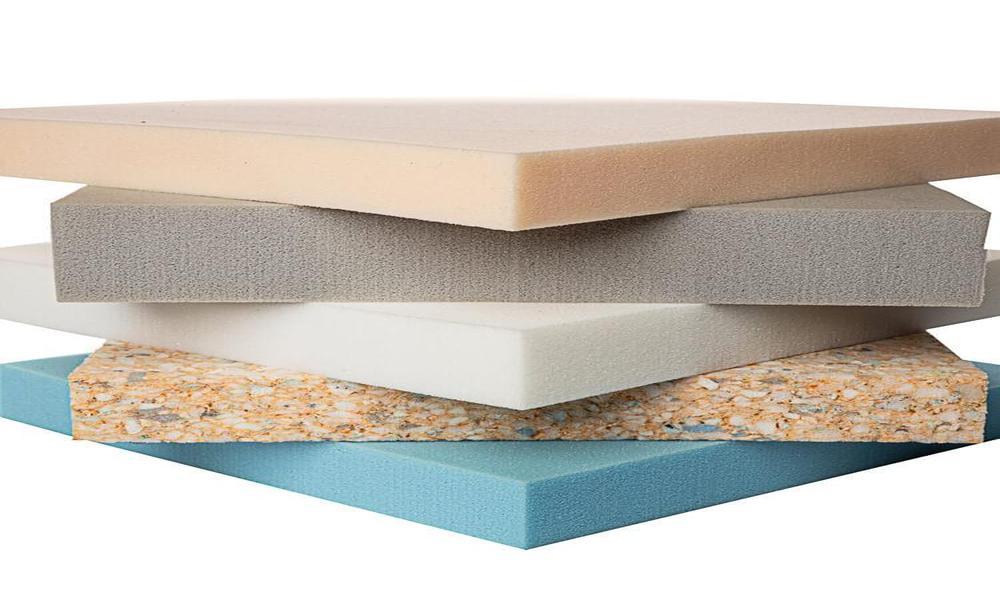
If you are considering foam filling for your project, there are several things you should do to ensure a successful outcome. First, you should choose the right type of foam for your application. There are several types of foam available, including open-cell foam, closed-cell foam, and spray foam. Each type of foam has different properties and is suitable for different applications.

Next, you should prepare the surface to be filled. The surface should be clean, dry, and free of debris. Any loose or flaking material should be removed to ensure a secure bond between the foam and the surface.

When applying the foam, it is important to follow the manufacturer’s instructions carefully. Overfilling the void or gap can cause the foam to expand beyond its intended area, resulting in a messy and potentially costly cleanup. Filling the void or gap can result in a weak bond and reduced effectiveness of the foam.

After the foam has cured, any excess foam can be trimmed away using a knife or saw. The surface can then be sanded or painted as needed.

Why Most People Will Never Be Great at Foam Filling?

Most people will never be great at foam filling because it requires a certain level of skill and experience. Applying foam too quickly or too slowly can result in a poor bond or an uneven surface. Applying foam at the wrong temperature or humidity can also affect the performance of the foam.

Additionally, foam filling requires proper equipment and safety precautions. Foam can be hazardous if it comes into contact with skin or eyes, and proper ventilation is necessary to avoid inhaling fumes. Using the wrong equipment or not wearing proper protective gear can result in injury or damage to the project.

Finally, foam filling requires attention to detail and the ability to problem-solve. Void or gap shapes and sizes can vary, and each requires a unique approach to achieve a successful outcome. Knowing how to adjust foam applications to suit the project’s needs requires experience and skill.